

Bengal police arrest two and detain three in Baruipur rape-murder case, forming a Special Investigating Team for further inquiry.
New Delhi, India Jul 7, 2026 ALN: The tragic case of a 12-year-old girl from Baruipur, West Bengal, has sent shockwaves through the local community and beyond, igniting outrage over issues of safety and justice in India. The young girl was reported missing on July 4, 2026, and her body was discovered in a pond the following day, leading to violent protests and a swift response from law enforcement. The incident has raised serious questions about the protection of minors and the adequacy of the legal framework in dealing with such heinous crimes.
Three individuals have been arrested in connection with the alleged rape and murder. The accused—identified as Pravas Mondal, Dibakar Sardar, and Ananda Sardar—are facing serious charges under various sections of the Bharatiya Nyaya Sanhita (BNS) and the Protection of Children from Sexual Offences Act (POCSO). Initial reports indicate that the police have filed charges of gangrape, murder, and tampering with evidence against them, highlighting the severity of the crime. The nature of the accusations has not only shocked the local populace but has also sparked a broader discourse on the safety of children in India.
Chief Minister Suvendu Adhikari has publicly assured the victim's family that the government will pursue capital punishment for the accused, emphasizing the state's commitment to justice. His statements reflect a growing public demand for harsher penalties for sexual crimes, particularly against minors. “The family of the victim will get the justice in the way they want it. We will ensure capital punishment for the accused. I am happy that the family has shown faith in me,” Mr. Adhikari stated, underscoring the emotional weight of this case. The commitment to capital punishment has been a contentious topic in India, with advocates arguing that it serves as a deterrent against heinous crimes, while opponents raise concerns about the potential for wrongful convictions and the moral implications of the death penalty.
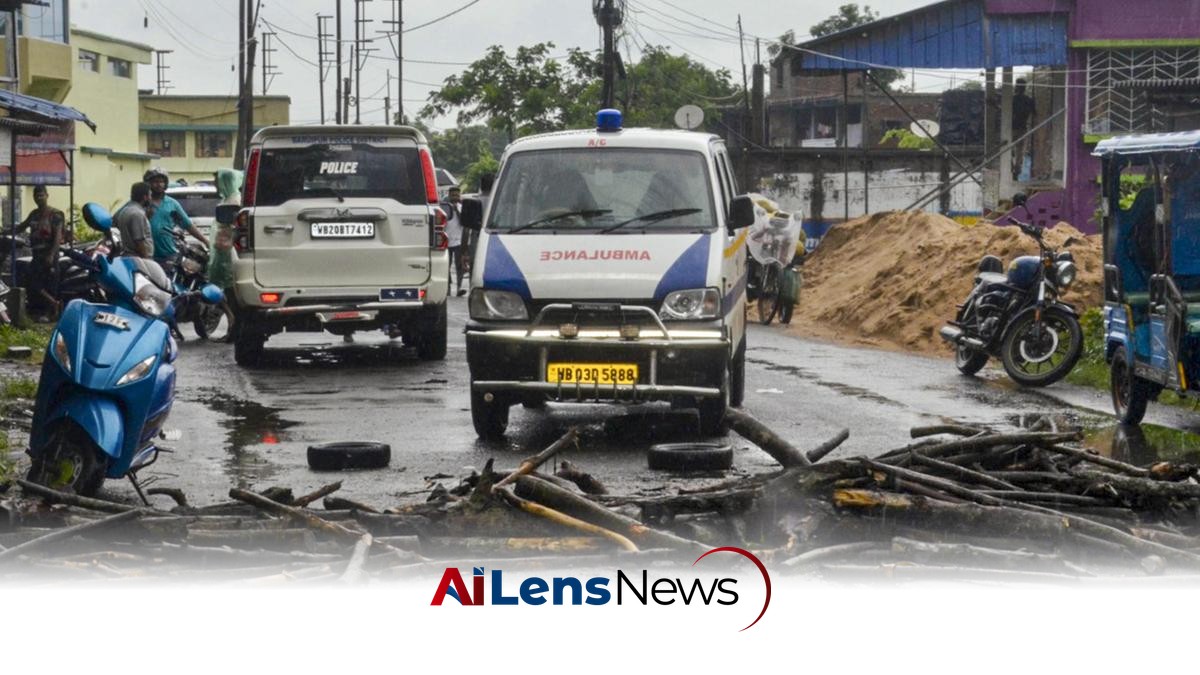
The violent backlash following the discovery of the girl's body is indicative of the community's anger and frustration. On July 5, following the recovery of the body, a mob lynched a 40-year-old man who was suspected of being associated with the accused. This act of vigilante justice highlights the deep-seated emotions surrounding the case and the perceived failure of the justice system to protect vulnerable individuals. Reports indicate that several police personnel were injured during the unrest, and a police vehicle was vandalized, further complicating the situation. Such incidents of mob justice raise critical questions about societal trust in law enforcement and the judicial system, as communities grapple with the feeling that formal mechanisms of justice are insufficient to address their grievances.
In response to the escalating violence, the police imposed prohibitory orders under Section 163 of the Bharatiya Nagarik Suraksha Sanhita (BNSS) across several police jurisdictions, including Baruipur, Narayanpur, and Sonarpur. These measures aim to curb gatherings and prevent further unrest. The day of violence saw protesters blocking a train line on the Sealdah-Namkhana route for an hour and staging a sit-in protest with the victim’s body, disrupting traffic for several hours. Such actions reflect the community's deep anguish and demand for accountability. The protests have not only drawn attention to this singular incident but have also become a rallying point for broader discussions about gender-based violence and the safety of women and children in Indian society.
The political ramifications of this incident are also significant, as leaders from the Trinamool Congress (TMC) party, including former Speaker of the West Bengal Assembly Biman Bose, visited the bereaved family. Former Chief Minister Mamata Banerjee participated in a protest outside her residence in Kolkata, signaling the gravity of the situation and the potential for political mobilization around issues of safety and justice for women and children. The involvement of high-profile political figures indicates that the government recognizes the potential for this incident to impact public sentiment and electoral outcomes, particularly in a state where issues of law and order are of paramount concern to voters.
The police investigation is ongoing, with authorities indicating that two additional individuals have been detained for questioning, suggesting that the case may involve more than just the three currently in custody. The police have updated the initial FIR, which was filed as a missing person report, to include the more serious charges following the discovery of the girl's body. This procedural change underscores the gravity of the crime and the legal complexities involved in such cases. The legal proceedings will likely be closely monitored by the public, with many advocating for a swift and transparent judicial process to ensure justice is served.
The implications of this incident extend beyond the immediate community of Baruipur. It raises critical questions about the safety of children in India and the effectiveness of existing laws designed to protect them. The POCSO Act, enacted in 2012, was intended to provide a robust legal framework for the protection of children from sexual offenses. However, incidents like this one reveal ongoing challenges in enforcement and the need for greater societal awareness and action against sexual violence. Despite the existence of laws, the frequency of such crimes suggests that systemic issues persist, including inadequate law enforcement training, societal attitudes towards gender violence, and the stigmatization of victims.
Moreover, the communal angle mentioned by Chief Minister Adhikari in relation to other violent incidents during the protests raises concerns about societal divisions and the potential for communal tensions to exacerbate already volatile situations. The reference to past incidents during the Citizenship Amendment Act (CAA) protests highlights the cyclical nature of violence in these contexts, where communal tensions can lead to tragic outcomes. The intersection of crime, communal identity, and public response complicates the narrative, as communities navigate their collective trauma while seeking justice.
As the investigation unfolds and the judicial process begins, the community and the nation will be watching closely. The government's commitment to ensure capital punishment for the accused may serve as a deterrent for future crimes, but it also emphasizes the urgent need for systemic changes to address the root causes of such violence. The emotional toll on the victim's family and the community at large cannot be understated, as they seek justice and healing in the wake of this horrific crime. The psychological impact on the family, as well as the community's collective grief and anger, underscores the necessity for comprehensive support systems for victims and their families in the aftermath of such tragedies.
Chief Minister Adhikari is scheduled to visit Baruipur on July 7, 2026, to meet with the family of the victim, a gesture that may provide some solace but also highlights the ongoing struggle for justice in cases of sexual violence against minors. The path forward will require not only legal action but also a collective societal effort to foster a safer environment for children and to hold perpetrators accountable for their actions. Community leaders, educators, and law enforcement must collaborate to create preventive measures, raise awareness, and educate the public about the importance of safeguarding children. The tragic loss of this young girl serves as a grim reminder of the urgent need for vigilance, empathy, and action to protect the most vulnerable members of society.
To learn more about the latest developments in Crime & Law, stay updated with our exclusive reports and analyses on AiLensNews.

