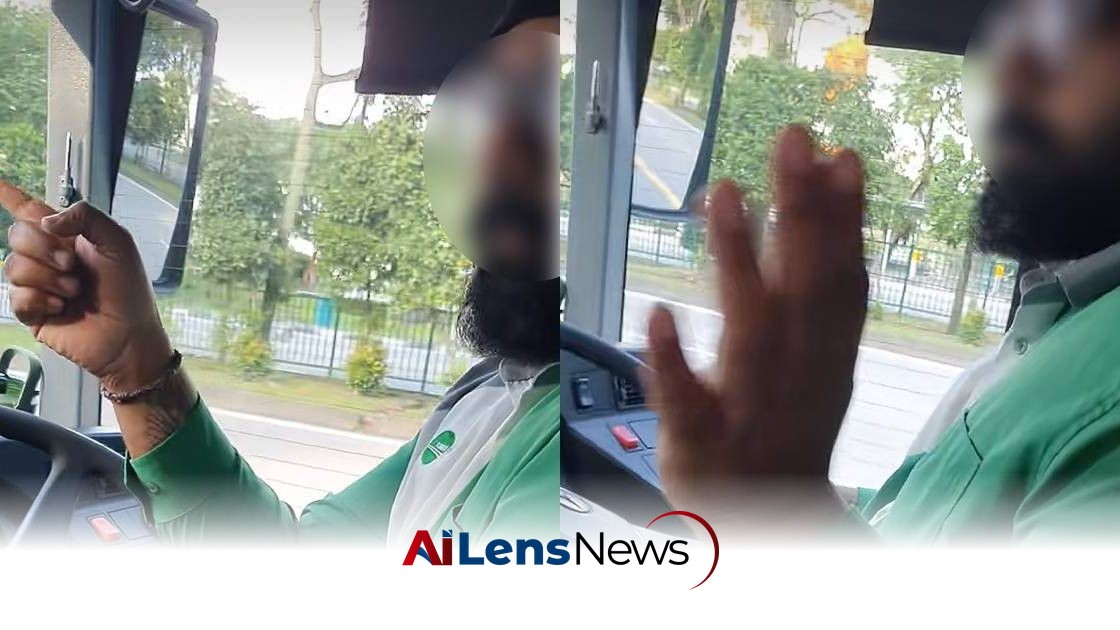


Tower Transit and the LTA defend a bus captain who was criticized by a passenger for maintaining schedule adherence, emphasizing safety and professionalism.
Singapore, Singapore Jul 16, 2026 ALN: A recent incident involving a bus captain in Singapore has sparked discussions around passenger behavior and the operational protocols of public transport services. The bus captain, who faced criticism from a passenger for allegedly "driving at your own pace," was found to be adhering to a planned schedule, as confirmed by both Tower Transit and the Land Transport Authority (LTA).
The situation escalated when a TikTok video of the incident went viral, capturing the bus captain's interaction with a disgruntled passenger who questioned the slower pace of their journey on the service 984 bus. The video, which was posted on July 6, showed the bus driver calmly explaining that he was following standard operating procedures and was, in fact, five minutes ahead of schedule. This highlights an important aspect of public transport operations, where maintaining a consistent timetable is crucial for overall service reliability.
The LTA took to social media on July 15 to clarify the responsibilities of bus captains. According to their statement, bus captains are trained to regulate their speeds to maintain planned schedules, which is essential for preventing bus bunching—a phenomenon where multiple buses arrive at the same stop simultaneously, leading to longer wait times for passengers. This practice is not just about speed; it is about ensuring that all commuters experience timely and reliable bus arrivals, thus enhancing the overall efficiency of the public transport system.
Tower Transit, the operator of the service in question, conducted a thorough review of the trip details and confirmed that the bus captain was operating in accordance with the scheduled timetable. They explained that there are instances when buses may travel below the speed limit, even when the road conditions are clear. This is done deliberately to maintain even spacing between buses, which is vital for ensuring that commuters do not face irregular waiting times. Such operational strategies are part of the larger framework that governs public transport management, aiming to provide a seamless travel experience for all users.
The incident raised significant concerns regarding the behavior of the passenger involved. Tower Transit characterized the passenger's actions as a "serious safety concern," emphasizing that bus captains must remain focused on driving. Any distractions, whether from passengers or external factors, can pose risks not only to the safety of passengers but also to pedestrians and other road users. In this context, it is crucial to recognize the importance of maintaining a respectful and safe environment within public transportation systems.
Furthermore, Tower Transit criticized the viral video for its apparent intent to identify and shame the bus captain. The operator, in collaboration with the LTA and the National Transport Workers' Union, condemned any form of harassment or doxxing directed at public transport workers. This incident underscores a broader issue within the public transport sector, where the mental and emotional well-being of transport staff can be adversely affected by negative interactions with passengers. The organizations involved have called for greater awareness and respect towards public transport workers, who play a vital role in the daily functioning of the city’s transport network.
In their communications, both the LTA and Tower Transit commended the bus captain’s professionalism, particularly his ability to remain calm and focused amidst provocation. This response is a testament to the training and protocols that public transport personnel undergo to handle challenging situations effectively. It also serves as a reminder of the critical role that public transport workers play in keeping the city moving, often under challenging circumstances.
The LTA added a poignant reminder that public transport workers deserve to be treated with courtesy and respect. They reiterated that disruptive behavior from passengers could lead to consequences, including being asked to leave the bus or even potential police referral. Such policies are in place to maintain order and safety within the public transport system, ensuring that all commuters can travel without fear of harassment or intimidation.
In Singapore, commuters found guilty of offenses under the Protection from Harassment Act may face significant penalties, including fines and imprisonment. This legal framework is designed to protect individuals from harassment in various contexts, including public transport. Tower Transit encouraged passengers to utilize official feedback channels to voice their concerns, which allows for thorough investigations while protecting transport workers and their families from online harassment.
This incident highlights the ongoing challenges faced by public transport systems worldwide, where the balance between operational efficiency and passenger satisfaction is constantly being navigated. The importance of respectful interactions between passengers and transport staff cannot be overstated, as it contributes to a safer and more pleasant commuting experience for everyone involved.
As public transport continues to serve as a backbone of urban mobility, it is essential for all stakeholders—commuters, transport operators, and regulatory authorities—to work together in fostering a culture of respect and understanding. Initiatives aimed at educating the public about the operational challenges faced by bus captains and other transport workers could further enhance this relationship and promote a more harmonious commuting environment.
In conclusion, the incident involving the bus captain serves as a reminder of the complexities inherent in public transport operations and the need for mutual respect between passengers and transport staff. As cities evolve and public transport systems expand, addressing these social dynamics will be crucial for the continued success and efficiency of urban mobility solutions.
Public transport is a critical component of urban infrastructure, providing essential mobility to millions of people every day. In Singapore, the public transport system is known for its efficiency and reliability, with a network of buses and trains that connect various parts of the city. However, as with any public service, challenges arise in the interactions between service providers and users. This incident serves as a case study in the importance of communication and understanding within the public transport ecosystem.
Moreover, the role of social media in shaping public perception cannot be underestimated. The viral nature of the incident emphasizes how quickly narratives can shift based on a single perspective, often without the full context. This has implications for how public transport workers are perceived and treated, highlighting the need for responsible sharing of content that could affect individuals' livelihoods and mental health.
In light of this incident, it may also be beneficial for public transport authorities to consider implementing educational campaigns aimed at fostering a culture of respect within public transport. Such campaigns could focus on educating passengers about the operational challenges faced by bus captains, including the need to adhere to schedules and the importance of maintaining a safe environment for all. This could lead to more understanding and cooperative interactions between passengers and transport staff.
Ultimately, the incident involving the bus captain serves as a reminder that public transport is not just about getting from point A to point B; it is also about the interactions that take place during the journey. Respectful communication and understanding between passengers and transport workers are essential for a positive commuting experience. As cities continue to grow and evolve, nurturing this culture of respect will be vital in ensuring the sustainability and effectiveness of public transport systems.
To learn more about the latest developments in Society & Social Issues, stay updated with our exclusive reports and analyses on AiLensNews.

