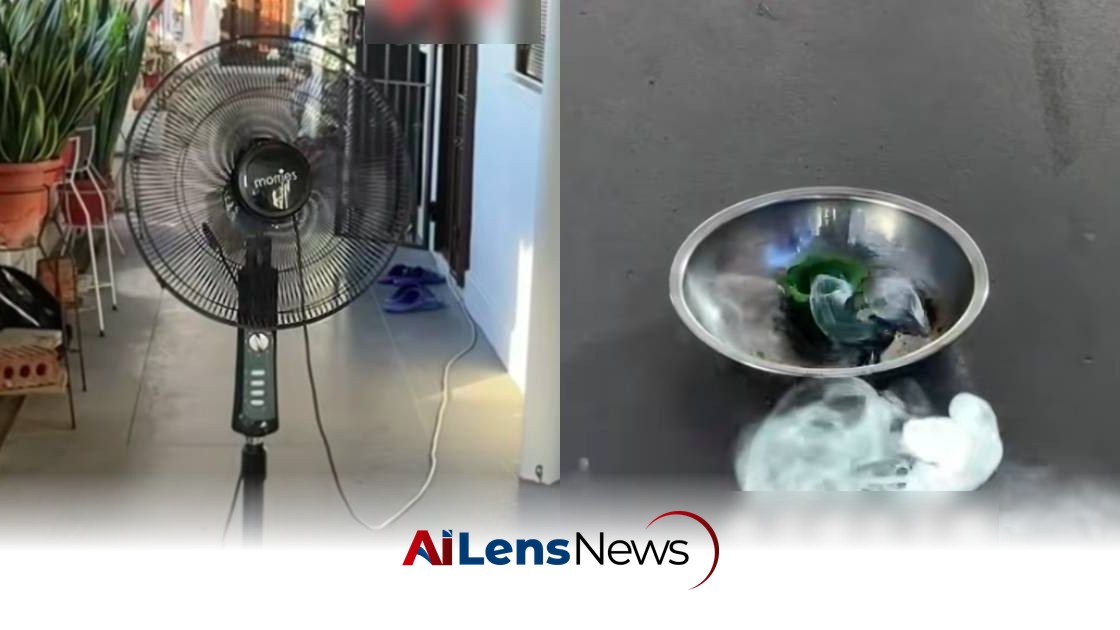


Residents in Telok Blangah have resorted to burning incense and using fans to mask a persistent foul smell emanating from a neighbor's unit, believed to be due to urinary incontinence.
Singapore, Singapore Jul 14, 2026 ALN: For over a year, residents at a Telok Blangah block have been grappling with a foul smell coming from an elderly neighbor's home. This situation has not only affected the quality of life for those living in the vicinity but has also raised important questions about community dynamics, elder care, and the responsibilities of residents in shared living spaces. One resident has resorted to using fans and burning incense in the corridor to mask the unpleasant odor, reflecting the lengths to which individuals will go to reclaim their living environment.
Wang, 70, who lives on the 11th floor of Block 13 Telok Blangah Crescent, shared with Shin Min Daily News that she has been a resident for over a decade and has always maintained good relations with her neighbors. This history of amicable interactions makes the current situation particularly distressing for Wang. She recalled that about a year ago, an elderly woman and her two adult sons moved into the neighboring unit. Following their arrival, a strong smell of faeces and urine began to permeate the area, disrupting the previously peaceful atmosphere of the block.
The elderly woman is believed to suffer from urinary incontinence, which may be contributing to the unpleasant odor that seeps through the flat. Wang noted that the smell lingers even when their doors and windows are closed, becoming even more pronounced when they are opened. This raises concerns about hygiene and the overall health implications for the residents who are forced to breathe in the foul air. The situation is further complicated by the fact that many residents may feel uncomfortable addressing such sensitive issues directly with their neighbors, leading to a cycle of frustration and resentment.
In an effort to combat the odor, Wang has taken several measures. As she is unable to speak, she expressed her frustration at being unable to communicate directly with her neighbors. To alleviate the odor, she places a fan outside her door daily to blow the smell away and has recently started burning incense. These temporary solutions, while providing some relief, are not sustainable and highlight the emotional toll the situation is taking on residents. The reliance on such methods indicates a lack of adequate support systems for residents dealing with similar issues.
Wang reported that she often turns the fan on from 5 AM, and because it runs throughout the day, her electricity bill has increased significantly. This financial burden adds another layer of stress to an already challenging situation, as residents must balance their health and comfort with rising living costs. The use of incense, while culturally significant in many communities as a means of purification, may not be enough to mask the severity of the odor, leading to further frustration among residents. The ongoing discomfort can lead to significant mental strain, as individuals feel trapped in their own homes.
Another neighbor, Sumati, who lives next door, also suffers from the stench. To avoid it, her family keeps their doors and windows tightly closed. However, when the other family opens their doors and windows, the smell still infiltrates their home, forcing her to wear a mask at times to sleep. This situation not only affects their physical comfort but also their mental well-being, as the constant presence of an unpleasant odor can lead to feelings of anxiety and helplessness. The psychological impact of living in such conditions can be profound, affecting sleep patterns, productivity, and overall quality of life.
Wang revealed that she had previously lodged complaints with the relevant authorities. Despite volunteers being sent to investigate the situation, little has changed. This lack of effective intervention raises questions about the adequacy of existing support systems for residents dealing with similar issues. It also underscores the importance of community engagement and the need for open lines of communication between neighbors. The inability of residents to effectively communicate their concerns can exacerbate tensions and lead to a breakdown in neighborly relations.
One of the elderly woman's sons told Shin Min Daily News that several organizations had reached out to them, and some would be coming to assist with cleaning in the coming days. He expressed hope for direct communication with the neighbors in the future, as they had never communicated directly despite repeated complaints. This statement highlights a critical aspect of community living: the need for understanding and dialogue among residents to address shared challenges. Effective communication can help bridge gaps in understanding and foster a sense of community, which is essential in urban settings where residents often live in close quarters.
The son added that he did not send his mother to a nursing home because he and his brother are still able to care for her. This decision reflects the cultural values surrounding elder care in many communities, where family members take on the responsibility of looking after their elderly relatives. However, it also raises the issue of whether families have the necessary resources and support to provide adequate care, especially when health conditions lead to situations that may affect others in the community. The balance between familial duty and community responsibility is a delicate one, often requiring external support and intervention.
Residents continue to hope for a resolution to the ongoing issue, as they navigate the challenges posed by the persistent odor. The situation serves as a reminder of the complexities involved in communal living, particularly in urban environments where space is limited, and the actions of one household can significantly impact the lives of many. It also calls attention to the need for policies and programs that support families caring for elderly members, ensuring that both the caregivers and the broader community are considered in the solutions proposed. Such initiatives could include community workshops on elder care, resources for families, and improved communication channels between residents and local authorities.
In conclusion, the ongoing issue of foul odors emanating from a neighbor's home in Telok Blangah is emblematic of broader societal challenges related to elder care, community interaction, and the need for effective communication. As residents seek to address the immediate discomfort caused by the odor, it is crucial to foster a sense of community and support that can lead to long-term solutions for all involved. The hope is that through dialogue and assistance, a resolution can be achieved that respects the needs of both the elderly residents and their neighbors, ultimately contributing to a healthier living environment for everyone in the block. The situation underscores the importance of empathy and understanding in community living, emphasizing that the well-being of one resident can significantly affect the lives of many.
To learn more about the latest developments in Local & Regional, stay updated with our exclusive reports and analyses on AiLensNews.

