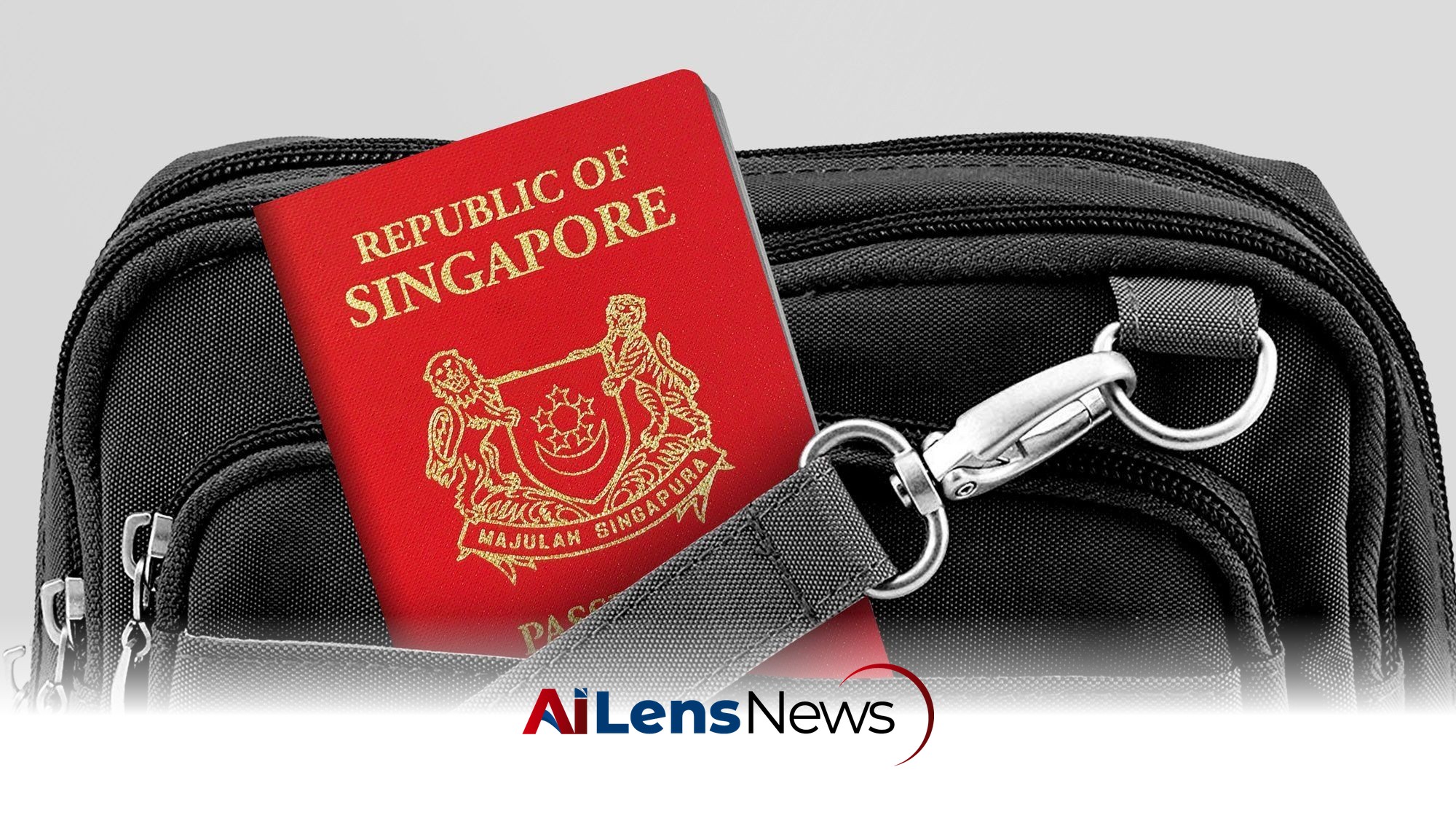


Singapore has been ranked the world's most powerful passport for July 2026, allowing visa-free access to 192 destinations.
Singapore, Singapore Jul 23, 2026 ALN: Singapore has once again been ranked as having the world’s most powerful passport, with its citizens able to travel to 192 destinations without needing to obtain a visa in advance, according to the July 2026 Henley Passport Index. This impressive ranking reflects Singapore's strong diplomatic relationships and the effectiveness of its foreign policy, which has prioritized global connectivity and international cooperation.
The country retained its position at the top of the global rankings, ahead of Japan, South Korea, and the United Arab Emirates, which jointly occupied second place. Passport holders from those three countries can access 188 destinations through visa-free entry or by obtaining a visa on arrival. This high level of travel freedom is indicative of the robust economic ties and mutual trust that exist between these nations and their global partners.
Sweden placed third on the index, with its passport providing access to 187 destinations. The strong performance of European nations in the Henley Passport Index is largely attributed to their well-established diplomatic relations and membership in international organizations, which facilitate easier travel arrangements for their citizens. The European Union, for instance, has established agreements that enhance mobility among member states, allowing for seamless travel across borders.
A group of 11 European countries shared fourth place. Passport holders from Belgium, Denmark, Finland, France, Germany, Ireland, Italy, Luxembourg, the Netherlands, Norway, and Spain can travel to 186 destinations without securing a visa beforehand. These countries are known for their high standards of living, stable economies, and active participation in global affairs, which collectively enhance the travel freedom of their citizens. The interconnectedness of these nations through various treaties and economic partnerships also contributes significantly to their passport strength.
The Henley Passport Index evaluates the travel freedom offered by 199 passports around the world, ranking them according to the number of destinations their holders can enter without first obtaining a visa. The index measures access through either visa-free travel or visas issued on arrival. This ranking is not merely a reflection of the strength of a passport but also serves as an indicator of the global standing of a nation and its citizens' ability to engage with the world. It highlights the interplay between diplomatic relations, economic stability, and international perception.
At the bottom of the rankings, Afghanistan continued to hold the position of the world’s weakest passport, with its citizens able to access just 22 destinations without obtaining a visa in advance. This limited travel freedom is a reflection of the ongoing political instability and security concerns within the country, which have hampered its ability to forge the necessary diplomatic relationships to enhance passport strength. The challenges faced by Afghan citizens in terms of mobility underscore the broader implications of governance and international relations on personal freedoms.
The implications of passport rankings extend beyond mere travel convenience. A powerful passport can significantly impact a nation's economy by facilitating trade, tourism, and investment opportunities. Countries with strong passports often attract foreign investment as they are perceived as stable and secure. In contrast, nations with weaker passports may struggle to attract international business and tourism, which can hinder economic development. The ability to travel freely can also influence individual opportunities for education and employment abroad, further affecting a country’s human capital.
Moreover, the passport index can influence public perception and national pride. For Singapore, retaining the title of the world's most powerful passport bolsters its image as a global hub for business and travel. It reinforces the notion that Singapore is a key player on the international stage, capable of fostering relationships that benefit its citizens. This perception can enhance the country’s soft power, allowing it to exert influence in international affairs and attract talent from around the world.
In recent years, the importance of passport strength has been highlighted by global events, such as the COVID-19 pandemic, which led to significant travel restrictions. Countries with strong passports were often able to negotiate travel corridors and agreements that allowed their citizens to travel more freely than those from countries with weaker passports. This disparity was evident during the pandemic, as many nations with weaker passports faced prolonged travel bans and restrictions. The pandemic served as a stark reminder of how interconnected global travel is and how quickly circumstances can change based on health and security concerns.
As the world continues to evolve, the dynamics of international relations and travel freedom are likely to change. Factors such as geopolitical tensions, economic sanctions, and the rise of new global powers will play a crucial role in shaping the future of passport strength. Countries will need to adapt their foreign policies and diplomatic strategies to maintain or improve their standings in the Henley Passport Index. For instance, nations may seek to enhance bilateral agreements or join international coalitions that promote mutual travel benefits.
In conclusion, Singapore's retention of the title of the world's most powerful passport is a testament to its effective diplomacy and strong international relationships. As global travel continues to recover and evolve, the implications of passport strength will remain significant for nations and their citizens. The Henley Passport Index serves as a valuable tool for understanding the complexities of global mobility and the factors that contribute to a nation's standing in the international community. As countries navigate the challenges and opportunities of a rapidly changing world, the ability to travel freely will remain a critical aspect of national identity and global engagement.
To learn more about the latest developments in World News & International Affairs, stay updated with our exclusive reports and analyses on AiLensNews.

