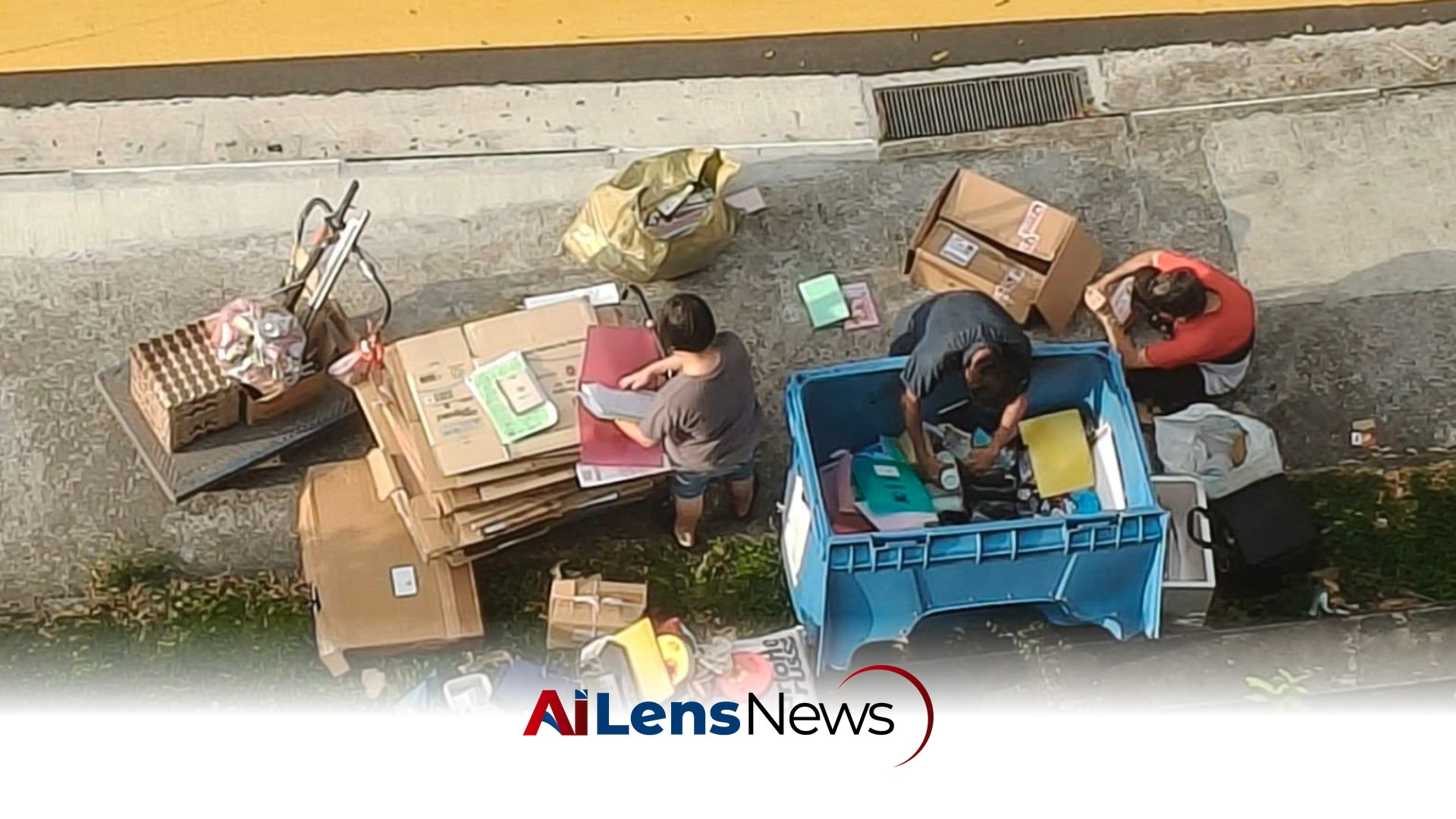


A resident's complaint about a family scavenging recycling bins has sparked a debate among Singaporeans, with many defending the practice as environmentally friendly.
Singapore, Singapore Jul 30, 2026 ALN: A resident has raised concerns regarding a family that frequently searches through estate recycling bins for items to sell. The complaint, posted on Facebook, questioned whether this practice should be considered stealing. This incident highlights a broader conversation about waste management, recycling practices, and the social dynamics surrounding these activities in Singapore.
Recycling has become an essential aspect of waste management, especially in urban environments like Singapore, where space is limited and environmental sustainability is a pressing concern. The country has implemented various initiatives aimed at encouraging recycling among its residents. However, the act of rummaging through recycling bins raises questions about ownership and the ethics of reclaiming discarded items.
Many who encountered the post, however, disagreed with the resident's viewpoint. They argued that the items had already been discarded, making it unreasonable to label the family's actions as theft. This perspective aligns with a growing recognition that items placed in recycling bins are often considered abandoned property. Once individuals or families decide to dispose of their belongings, they relinquish ownership, which complicates the notion of theft.
“They help clean our environment. They are not stealing anything from your house,” one commenter stated, reflecting a sentiment shared by many who view the family's actions as beneficial rather than harmful. This viewpoint suggests that the family's activities contribute positively to the local environment by reducing waste and promoting recycling. The act of reclaiming items from recycling bins not only diverts waste from landfills but also encourages a culture of reusing and repurposing materials.
Another added, “They’re not selling drugs or anything illegal to earn dirty money. They’re dirtying their hands and bodies to earn clean money.” This comment emphasizes the legitimacy of the family's efforts to generate income through recycling. In a society where economic pressures can be significant, especially for lower-income families, finding alternative means of earning a living can be crucial. Engaging in recycling can provide a source of income while also supporting environmental sustainability.
Others felt the resident was overreacting to a situation that did not warrant concern. “I feel it is fine as long as they don’t litter the place after they are done,” one person commented, indicating that the manner in which the family conducts their activities is key to public acceptance. This highlights a common concern in urban settings where cleanliness and order are highly valued. As long as the family respects the environment and does not leave behind litter, many residents seem willing to accept their presence and actions.
Regardless of differing opinions, many felt there was little reason to object as long as the items had been discarded and the area was left clean after the family finished collecting. This consensus points to a broader understanding of community responsibility and the importance of maintaining a clean environment, which is a core value in Singaporean culture.
In a related incident, a recycling bin in Punggol caught fire, allegedly due to individuals smoking nearby or discarding cigarette butts into the bins. This incident underscores the potential hazards associated with improper disposal of waste and the importance of community vigilance. It serves as a reminder that while recycling is essential, it must be done responsibly to avoid creating additional problems for the community.
The debate surrounding the family's actions also raises questions about the role of social services and community support systems in Singapore. As the government continues to promote recycling and environmental sustainability, it is essential to consider how to support families who may resort to scavenging as a means of survival. Programs aimed at providing assistance to low-income families could help alleviate some of the economic pressures that lead to such activities.
Furthermore, the incident invites a discussion on the need for public education regarding recycling practices. Many residents may not fully understand the implications of discarding items in recycling bins or the potential benefits of reusing materials. Educational initiatives could help foster a more informed community that values recycling not just as an obligation but as a way to contribute positively to society.
In conclusion, the situation surrounding the family collecting items from recycling bins in Singapore encapsulates a complex interplay of environmental consciousness, economic necessity, and community values. As residents navigate their differing opinions, it is essential to foster a dialogue that considers the broader implications of recycling practices and the need for compassionate solutions to support those in need. Balancing environmental sustainability with social responsibility will be crucial as Singapore continues to evolve as a leading city in waste management and recycling efforts.
To further understand the implications of this incident, it is important to consider Singapore's context in terms of waste management. Singapore is known for its stringent waste management policies and has been recognized globally for its efforts in recycling. The government’s initiatives, such as the "Zero Waste Masterplan," aim to reduce waste sent to landfills and increase recycling rates to 70% by 2030. This ambitious target underscores the importance of community participation in recycling efforts.
However, the issue of scavenging from recycling bins is not unique to Singapore; it resonates with broader global trends where individuals seek alternative means of livelihood amid economic challenges. In many urban areas worldwide, scavenging has emerged as a survival strategy for marginalized communities. This raises questions about social equity and the need for inclusive policies that address the root causes of poverty and economic disparity.
Moreover, the discussion around scavenging from recycling bins also intersects with the concept of the circular economy, which emphasizes reducing waste and maximizing the reuse of materials. By reclaiming discarded items, individuals contribute to a system that seeks to minimize environmental impact while also creating economic opportunities. This perspective encourages a shift in how society views waste and the individuals who engage in its reclamation.
As Singapore continues to navigate these complex issues, it may benefit from examining international best practices in waste management and social support systems. Countries that have successfully integrated social enterprises into their waste management strategies often see positive outcomes for both the environment and the community. By fostering collaboration between government agencies, non-profits, and local communities, Singapore could develop more comprehensive solutions that address both environmental sustainability and social equity.
In summary, the family's actions of collecting items from recycling bins in Singapore serve as a catalyst for a broader conversation about waste management, economic necessity, and community values. As the nation grapples with its identity as a leader in sustainability, it must also confront the social implications of its policies and practices. By promoting dialogue, education, and support for marginalized communities, Singapore can work towards a more inclusive and sustainable future for all its residents.
To learn more about the latest developments in Society & Social Issues, stay updated with our exclusive reports and analyses on AiLensNews.

