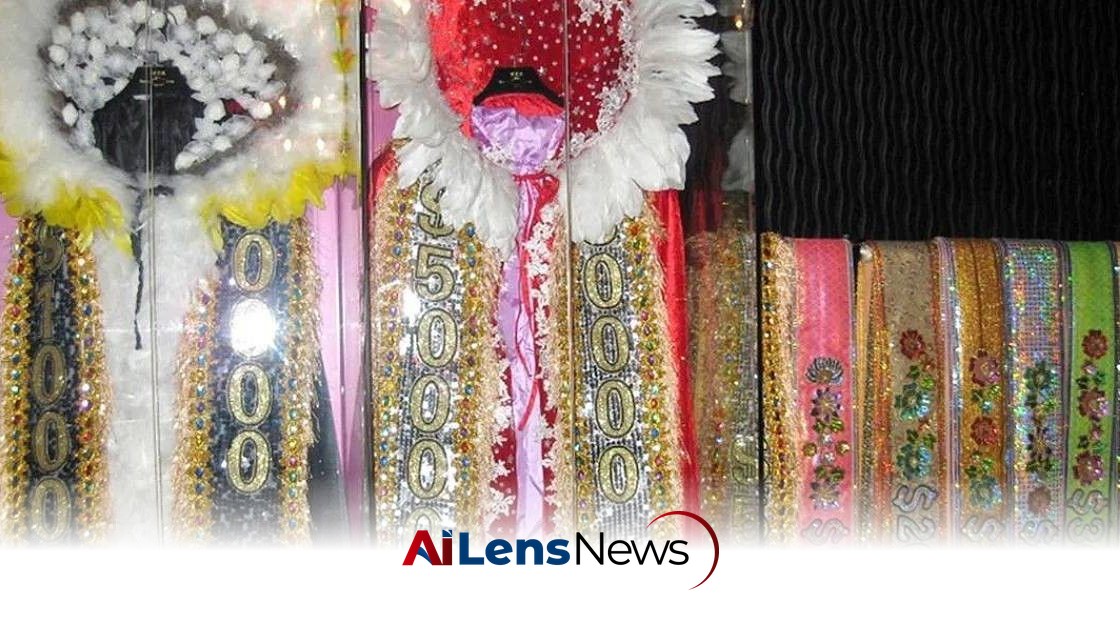


The Inland Revenue Authority of Singapore has imposed over $6.8 million in penalties on nightclubs for failing to properly declare taxes on flower garland sales.
Singapore, Singapore Jul 22, 2026 ALN: The Inland Revenue Authority of Singapore (IRAS) has imposed over $6.8 million in taxes and penalties on several nightclubs for improper tax declarations related to the sales of flower garlands. This action underscores the ongoing efforts by tax authorities in Singapore to ensure compliance with tax regulations across various sectors, especially those that might be prone to creative accounting practices.
The IRAS has been proactive in its approach, having taken action against eight nightclubs since 2021. This initiative is part of a broader strategy to enhance tax compliance, which includes regular audits and public education on tax obligations. On July 3, IRAS published an article aimed at clarifying the tax implications of flower garland sales in nightclubs, highlighting that these sales are considered taxable supplies.
Flower garlands, often presented by patrons to performers as a token of appreciation, have become a customary practice in many nightclubs. The performers usually receive a percentage of the revenue generated from these garland sales, which can range significantly based on the club's clientele and the popularity of the performers. However, the IRAS has made it clear that the Goods and Services Tax (GST) applies to the full value of these sales, not merely the portion retained by the nightclub itself.
The practice of giving flower garlands in nightclubs is deeply rooted in cultural traditions, particularly within the Southeast Asian context where such gestures are seen as a form of respect and admiration for performers. This cultural aspect adds another layer of complexity to the tax implications surrounding these sales, as it intertwines social practices with legal obligations. As a result, the IRAS's stance serves not only to enforce tax compliance but also to educate nightclub operators about the intersection of cultural practices and tax laws.
As part of its enforcement measures, IRAS conducts regular risk-based tax audits across all industries, including nightlife establishments. These audits are designed to ensure that businesses accurately report their tax obligations and maintain proper records. Businesses are required to submit supporting documents to verify the completeness and accuracy of their tax reporting. Failure to do so can lead to penalties and enforcement actions, which serve as a deterrent against tax evasion.
In recent years, several nightclub operators have faced severe consequences for attempting to evade taxes. For instance, in 2021, a nightclub operator was sentenced to three weeks in jail and fined $8,500 for tax evasion, in addition to a hefty penalty of nearly $340,000. Goh Kim Teck, the operator of the Century 21st Night Club in Rochor, instructed his staff to avoid using the cash register for flower garlands purchased with cash from 2011 to 2014. This deliberate attempt to hide actual sales from bookkeepers ultimately led to his prosecution.
In 2022, another operator, Soon Kok Khoon, faced similar legal troubles. He was penalized $630,861 for instructing accountants to omit revenue from flower garland sales, which were priced between $50 and $100,000. Furthermore, he directed staff to divert sales revenue from the GST-registered clubs to two shell entities that were not registered for GST, thereby complicating the tax reporting process and facilitating his tax evasion scheme.
The implications of these enforcement actions extend beyond the immediate financial penalties imposed on the nightclub operators. They serve as a warning to other businesses within the nightlife sector regarding the importance of compliance with tax regulations. The IRAS's commitment to tackling tax evasion is indicative of Singapore's broader strategy to maintain a transparent and fair tax system. This is particularly crucial in a globalized economy where businesses must adhere to strict tax standards to uphold their integrity and reputation.
In addition to the tax obligations related to flower garland sales, the IRAS has also emphasized the importance of withholding tax for non-resident performers. A 15 percent withholding tax applies to income earned by these performers, which includes not only their salaries but also the earnings they receive from flower garland sales. Nightclubs must ensure that they file and pay this withholding tax to the IRAS by the 15th of the second month following the payment to these non-resident performers.
The enforcement actions taken by the IRAS reflect a growing trend among tax authorities worldwide to crack down on tax evasion and ensure that all businesses fulfill their tax obligations. This is particularly relevant in sectors like nightlife, where cash transactions are common and the potential for underreporting income is heightened. By holding nightclub operators accountable for their tax declarations, the IRAS aims to foster a culture of compliance that benefits the overall economy.
As the nightlife industry continues to evolve, it is essential for operators to remain vigilant in their tax practices. The consequences of failing to comply with tax regulations can be severe, not only in terms of financial penalties but also in terms of reputational damage. Nightclubs that prioritize transparency and compliance are likely to build stronger relationships with both patrons and tax authorities, ultimately contributing to a healthier business environment.
In conclusion, the IRAS's actions against nightclubs for improper tax declarations on flower garlands highlight the critical role of compliance in the nightlife sector. As Singapore continues to navigate the complexities of its tax system, the emphasis on accurate reporting and adherence to tax obligations will remain paramount. This situation serves as a reminder for all businesses, particularly those in cash-intensive industries, to maintain thorough records and ensure that they are meeting their tax responsibilities to avoid the risks associated with tax evasion.
Additionally, the IRAS's actions could encourage other sectors to reevaluate their own tax compliance measures. The nightlife industry, often characterized by its vibrant and dynamic nature, must recognize the importance of aligning its operations with regulatory frameworks. This alignment not only safeguards the interests of the businesses involved but also contributes to the overall health of Singapore's economy.
Furthermore, the IRAS's focus on nightlife establishments is reflective of a larger trend in tax enforcement strategies worldwide, where cash-intensive industries are increasingly scrutinized. This scrutiny aims to ensure that all businesses contribute fairly to public finances, which are essential for funding public services and infrastructure. The emphasis on compliance and transparency is vital in maintaining public trust in the tax system, which is foundational for any effective governance.
To learn more about the latest developments in Crime & Law, stay updated with our exclusive reports and analyses on AiLensNews.

