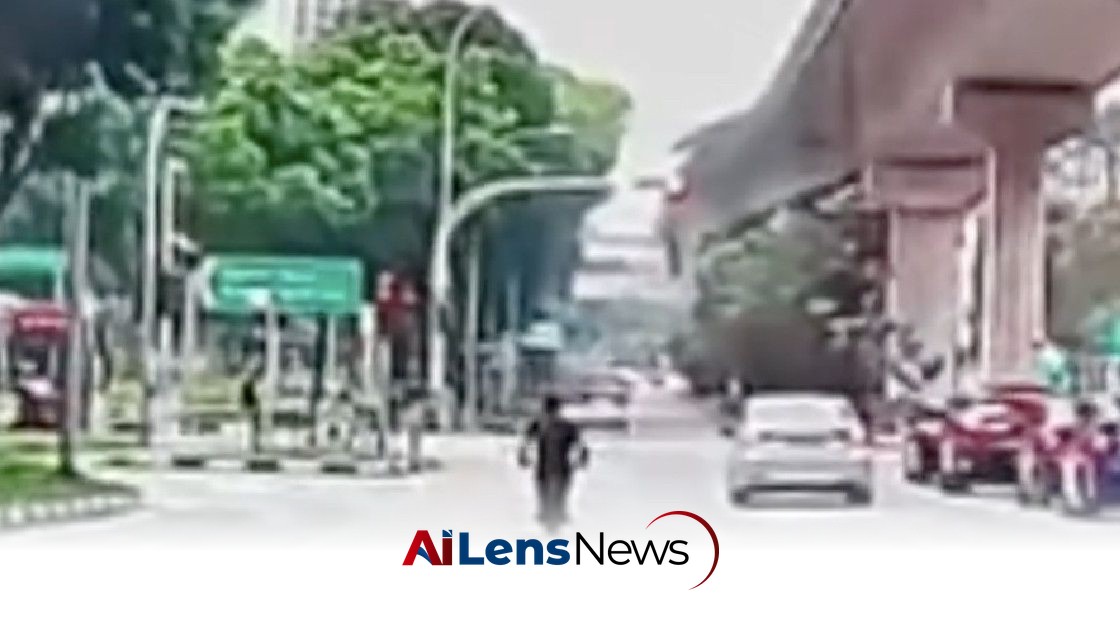


A personal mobility device rider was filmed speeding and running a red light in Punggol, prompting calls for stricter enforcement of traffic regulations.
Singapore, Singapore Jul 19, 2026 ALN: A rider was caught on camera speeding on a personal mobility device (PMD) along Punggol Drive and running a red light, disregarding traffic rules. This incident has raised significant safety concerns among the public and authorities alike, highlighting ongoing issues related to the use of PMDs in urban environments.
A video posted on the Facebook page SG Road Vigilante shows the rider speeding past a car on the road at around 5 PM on Saturday (July 18). In the footage, the rider is seen without a helmet, his shirt billowing in the wind as he runs a red light. The video quickly went viral, drawing attention to the reckless behavior of some PMD users and prompting discussions about road safety and adherence to traffic regulations.
Under Land Transport Authority (LTA) regulations, PMDs are not allowed to be used on roads and must not exceed a speed limit of 25 km/h. These regulations were established to ensure the safety of both PMD users and other road users, including pedestrians and drivers of motor vehicles. The use of PMDs has surged in recent years, particularly in urban areas, as they offer a convenient and environmentally friendly mode of transport. However, this increase has also led to a rise in incidents involving reckless riding and accidents.
The incident drew criticism online, with several netizens expressing concern over the rider's actions. Some commenters claimed that similar incidents are common in the Punggol Riverside area during the evenings, while others called for the LTA to step up enforcement against such riders, reported 8world. The public outcry reflects a growing frustration with the lack of compliance among certain PMD users and the perceived inadequacy of current enforcement measures.
The incident comes amid stepped-up enforcement against errant active mobility users. In response to increasing reports of reckless riding and accidents, the Land Transport Authority (LTA) has intensified its efforts to regulate PMD usage. On Thursday (July 16), the LTA said it recorded 373 active mobility offences and impounded 182 non-compliant devices in June following enhanced regulations that took effect on June 1. These figures illustrate the scale of the problem and the challenges faced by authorities in managing the safe use of PMDs.
The authority also announced that it is installing real-time speed limit signs in areas with higher active mobility usage to encourage safer riding behavior. This initiative aims to remind PMD users of the speed limits and to promote compliance with traffic rules. Additionally, the LTA has been working on public awareness campaigns to educate users about the importance of safety gear, such as helmets, and the need to follow traffic signals.
The rise in PMD-related incidents has prompted discussions about the broader implications for urban mobility and public safety. As cities become more congested and the demand for alternative modes of transport increases, the challenge of integrating PMDs into the existing transportation framework becomes more pressing. Authorities must balance the benefits of PMDs, such as reduced traffic congestion and lower carbon emissions, with the need to ensure the safety of all road users.
Furthermore, the issue of PMD safety is not confined to Singapore alone. Many cities around the world are grappling with similar challenges as they seek to accommodate the growing popularity of electric scooters, e-bikes, and other personal mobility devices. In some cases, cities have implemented stricter regulations, designated specific lanes for PMDs, or even banned their use on certain roads altogether. These measures are often met with mixed reactions from the public, as some users advocate for greater freedom to use their devices while others emphasize the importance of safety and compliance with traffic laws.
In Singapore, the government has been proactive in addressing the challenges posed by PMDs. The introduction of licensing requirements for PMD users and the imposition of fines for non-compliance are part of a broader strategy to enhance safety and accountability. Additionally, the LTA has been collaborating with various stakeholders, including PMD manufacturers, retailers, and user groups, to promote responsible usage and compliance with regulations.
As the debate over PMD safety continues, it is clear that a multifaceted approach is needed to address the concerns of all stakeholders involved. This includes not only enforcement and regulation but also education and community engagement. By fostering a culture of safety and responsibility among PMD users, authorities can work towards reducing the incidence of reckless behavior and ensuring that personal mobility devices can coexist safely with other forms of transport.
In conclusion, the incident involving the PMD rider in Punggol serves as a stark reminder of the ongoing challenges faced by urban authorities in managing the safe use of personal mobility devices. As the popularity of PMDs continues to grow, so too must the efforts to ensure that all road users can navigate their environments safely and responsibly. The LTA's recent initiatives highlight the importance of active enforcement, public education, and community involvement in creating a safer urban landscape for everyone.
While the convenience offered by PMDs is undeniable, it is essential for users to understand their responsibilities on the road. This includes not only adhering to speed limits and traffic signals but also wearing appropriate safety gear such as helmets, which can significantly reduce the risk of injury in the event of an accident. The LTA and other authorities are emphasizing the need for a cultural shift among PMD riders, where safety becomes a priority rather than an afterthought.
As urban areas continue to evolve, the integration of PMDs into the transportation ecosystem will require ongoing dialogue among policymakers, users, and the general public. Stakeholders must work collaboratively to create an environment where PMDs can be used safely and effectively, ensuring that the benefits they offer do not come at the expense of public safety. The incident in Punggol is a call to action for all involved to take these issues seriously and to strive for a safer urban mobility landscape.
Ultimately, the goal is to create a city where PMD users can navigate safely alongside pedestrians and motor vehicles, fostering an inclusive and efficient transportation system. This will require commitment from all parties to uphold the principles of safety, responsibility, and respect for the rules of the road.
To learn more about the latest developments in Crime & Law, stay updated with our exclusive reports and analyses on AiLensNews.

