

More
Checking your session
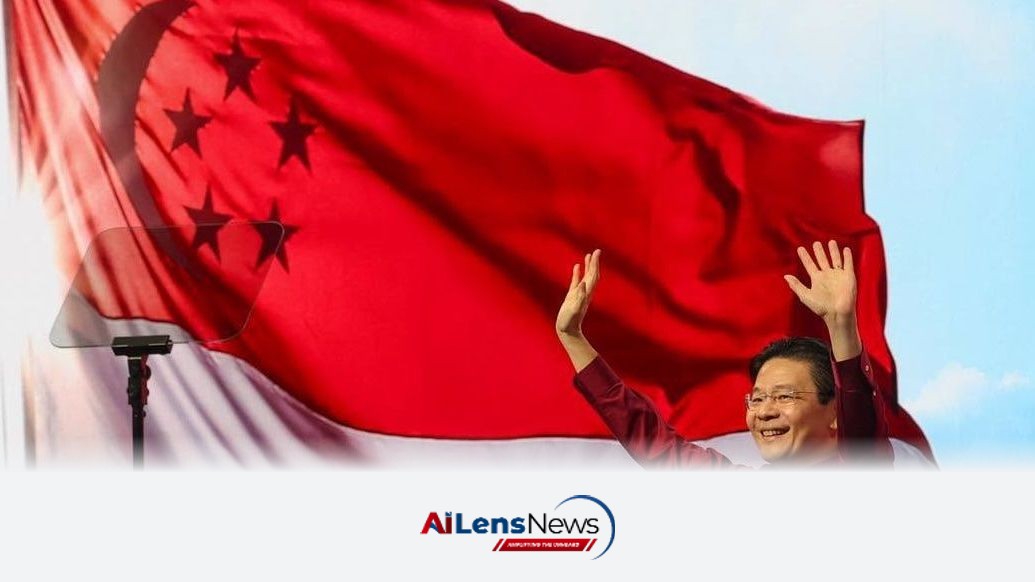



In his National Day Rally speech, PM Lawrence Wong highlighted the need for a careful approach to foreign manpower, sparking varied reactions from Singaporeans.
Singapore, Singapore Aug 25, 2026 ALN: Prime Minister Lawrence Wong’s National Day Rally speech on Sunday (Aug 23) was met with a mix of reactions, reflecting the complexities of Singapore's approach to immigration and foreign labor. Notably, the Prime Minister emphasized the importance of maintaining a controlled foreign workforce while also offering additional support for parents, a move that was largely praised by many citizens.
In his speech, PM Wong acknowledged the progress Singapore has made as a nation, highlighting its development into a thriving global city. However, he also pointed out the challenges that come with being a small country in an increasingly turbulent global environment. This acknowledgment of both achievements and challenges resonates with many Singaporeans who have witnessed the rapid changes in their society.
One of the key aspects of Wong's address was his stance on foreign manpower. He articulated a vision where newcomers who embrace Singapore's ideals and values contribute positively to the nation’s identity. He described these individuals as bringing new perspectives and energy, akin to past immigrants who have played a vital role in shaping Singapore's narrative. This reflects a broader understanding of immigration as a historical constant in Singapore’s development.
Wong stated, "This is how we will continue to welcome newcomers into our Singapore family," reinforcing the idea that immigration is not just a contemporary issue but part of Singapore's ongoing story. However, he also underscored the necessity of managing the size of the foreign workforce carefully. This careful management is crucial to ensuring that Singaporeans remain the majority in their own country, a sentiment that resonates deeply with many citizens who are concerned about the implications of a rapidly growing foreign population.
The Prime Minister's remarks suggest a careful balancing act: while Singapore welcomes foreign manpower to complement the local workforce and support economic growth, it does so with a commitment to sustainability and control. This approach indicates a shift towards a more measured immigration policy, one that seeks to enhance social cohesion while still fostering economic development.
In response to PM Wong's comments, netizens took to social media to express their thoughts. The reactions were varied, highlighting the divide in public opinion regarding immigration and foreign labor. Some users expressed skepticism about the government's ability to manage foreign workforce numbers effectively. One commenter pointed out the bustling activity at Changi Business Park during peak hours, questioning the notion of a "careful and controlled" approach to foreign manpower. Such remarks reflect a broader concern among certain segments of the population that the influx of foreign workers may be outpacing the government's stated intentions.
Others echoed similar sentiments, questioning the practical implications of Wong's assurances. Comments such as "Where's the careful or controlled?" and "How careful and controlled?" suggest a lack of confidence in the government's ability to implement its policies effectively. This skepticism is not unfounded, as past experiences have led some Singaporeans to feel that the rapid influx of foreign workers has sometimes overshadowed the needs and concerns of local citizens.
On the other hand, there were voices of support for PM Wong's approach. Some commenters recognized the historical context of immigration in Singapore, noting that the nation was built on the contributions of immigrants. They argued that the focus should be on an individual's ability to contribute and integrate into society rather than their country of origin. This perspective aligns with the multicultural ethos that has been a hallmark of Singaporean identity.
One supporter remarked, "Immigration is part of Singapore’s history. Our grandparents and great-grandparents came from different places too. Today, we should judge people by whether they contribute and integrate, not simply where they came from." This comment highlights a desire for a more inclusive approach to immigration, one that recognizes the value of diversity while also emphasizing the importance of integration and contribution.
Another commenter expressed reassurance at the Prime Minister's commitment to managing foreign manpower carefully, stating, "We need both economic growth and social balance." This sentiment reflects a common understanding among many Singaporeans that while foreign labor is essential for economic vitality, it must be balanced with the social fabric of the nation.
The discussions surrounding PM Wong's speech underscore the ongoing debate in Singapore about immigration and foreign labor. As the nation continues to navigate the complexities of a globalized economy and an evolving demographic landscape, the government faces the challenge of addressing the concerns of its citizens while also fostering a welcoming environment for newcomers.
Ultimately, the implications of PM Wong's speech extend beyond the immediate reactions it garnered. They point to the need for a comprehensive immigration policy that not only addresses economic needs but also takes into account the social dynamics at play. As Singapore moves forward, the challenge will be to create an environment where both locals and newcomers can thrive together, ensuring that the nation continues to grow while maintaining its unique identity.
To learn more about the latest developments in Local & Regional, stay updated with our exclusive reports and analyses on AILensNews.