

More
Checking your session
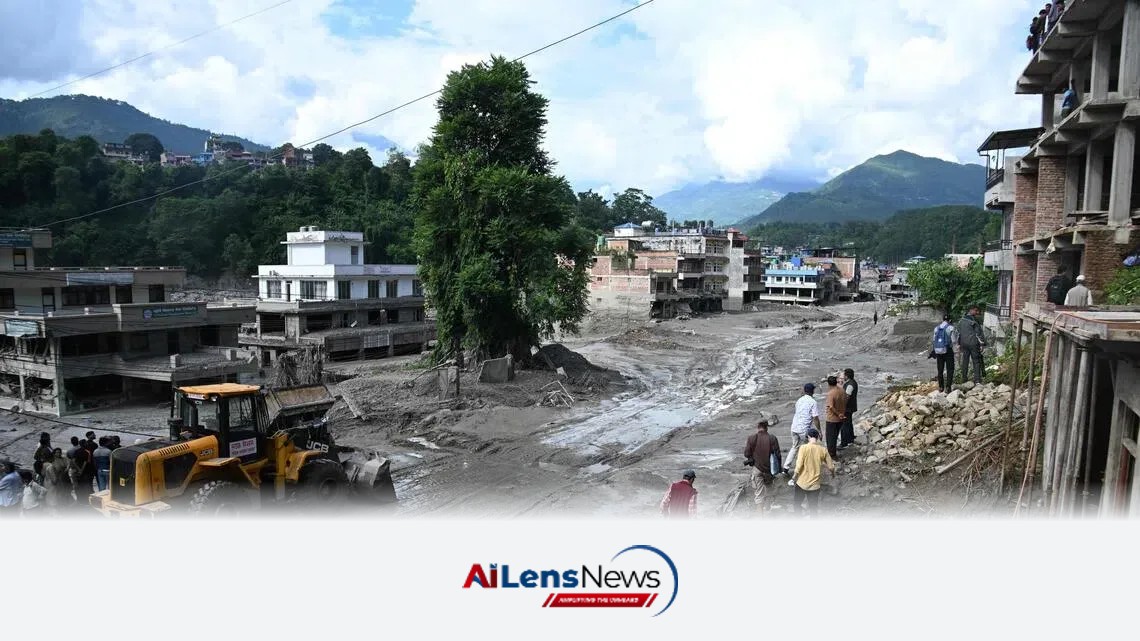



Rescue operations continue in the wake of devastating floods caused by a glacier collapse, with nearly 1,000 people still missing and concerns over new flooding risks.
Singapore, Singapore Aug 28, 2026 ALN: TRISHULI, Nepal - Rescuers searched Himalayan valleys and hillsides on August 27 after flash floods and landslides hit the Nepal-Tibet border. Both Nepal and China warned of a risk of fresh flooding from water pooling in two lakes formed by debris blocking rivers.
As of the latest reports, more than 1,400 people were missing, and 392 were confirmed dead. A glacier collapse on the morning of August 26 sent a torrent of rock, ice, mud, and debris cascading through the Himalayan river systems, devastating villages and critical infrastructure along a route frequented by trekkers and pilgrims linking Kathmandu with Lhasa in Tibet.
Among those missing, at least 540 are foreigners. Authorities in Nepal deployed helicopters to search for survivors and deliver emergency supplies to thousands cut off in towns and valleys. Emergency services have recovered dozens of bodies swept into the plains.
The sheer volume of water and debris now poses a risk of further disasters. Nepal’s disaster management authority has warned that a lake formed by debris blocking the Bhotekoshi River at the flood site is rising and at risk of bursting. On the Chinese side, authorities indicated that approximately three million cubic meters of water—equivalent to about 1,200 Olympic-sized swimming pools—was expected to flow into an already dammed lake over the next three days.
Chinese state media reported a high risk of the lake breaching, with peak flow expected around September 1. Zhu Jinfeng, a researcher at the ministry’s hydrology department, emphasized the increasing volume of water and the associated risks, stating, "The volume of water is continuing to increase, and so is the risk."
The torrent has wreaked havoc on key infrastructure, including the Gyirong border crossing, a vital point in China’s Belt and Road network linking the country to South Asia. Reports indicate that Chinese rescuers had yet to reach the worst-hit areas on their side of the border as of the evening of August 27, while crews worked to clear debris from access roads.
The disaster has raised significant concerns about the role of climate change in glacier instability, as communities grapple with the aftermath of the floods. The destruction of villages and infrastructure has left many residents displaced and in urgent need of assistance.
The Himalayan region is particularly vulnerable to the impacts of climate change, which has been linked to increased glacial melting and unpredictable weather patterns. The rapid melting of glaciers can lead to the formation of glacial lakes, which can become hazardous when the natural dams created by moraine or debris are breached. This phenomenon is not new, but the frequency and intensity of such events have been escalating in recent years, prompting calls for urgent climate action and improved disaster preparedness.
In the wake of the floods, local governments and international organizations are mobilizing resources to provide aid to affected communities. This includes food, shelter, and medical assistance for those who have lost their homes and loved ones. The urgency of the situation is compounded by the approaching monsoon season, which could exacerbate the already precarious conditions in the region.
As rescue efforts continue, both nations are on high alert for further flooding, with authorities coordinating to manage the crisis and provide relief to affected populations. The collaboration between Nepal and China in the face of such a disaster is crucial, as both countries share the responsibility of ensuring the safety and well-being of their citizens in this vulnerable region.
In conclusion, the situation remains critical as both Nepal and China face the dual challenges of immediate rescue operations and the looming threat of additional flooding, highlighting the urgent need for comprehensive disaster management strategies in the region. The events underscore the importance of regional cooperation in disaster response, as well as the necessity for long-term strategies that address the underlying factors contributing to climate change and its impact on vulnerable communities.
To learn more about the latest developments in World News & International Affairs, stay updated with our exclusive reports and analyses on AILensNews.

A new roadmap has been established through international mediation to implement …

Tim Cook announces Apple's donation to aid flood relief and rebuilding efforts i…

The death toll from the devastating floods in Nepal and Tibet has risen to over …

Rescue efforts in Nepal are on hold as officials report rising water levels in a…

Qatar has welcomed the inaugural field verification mission of the Expanded Join…