

More
Checking your session
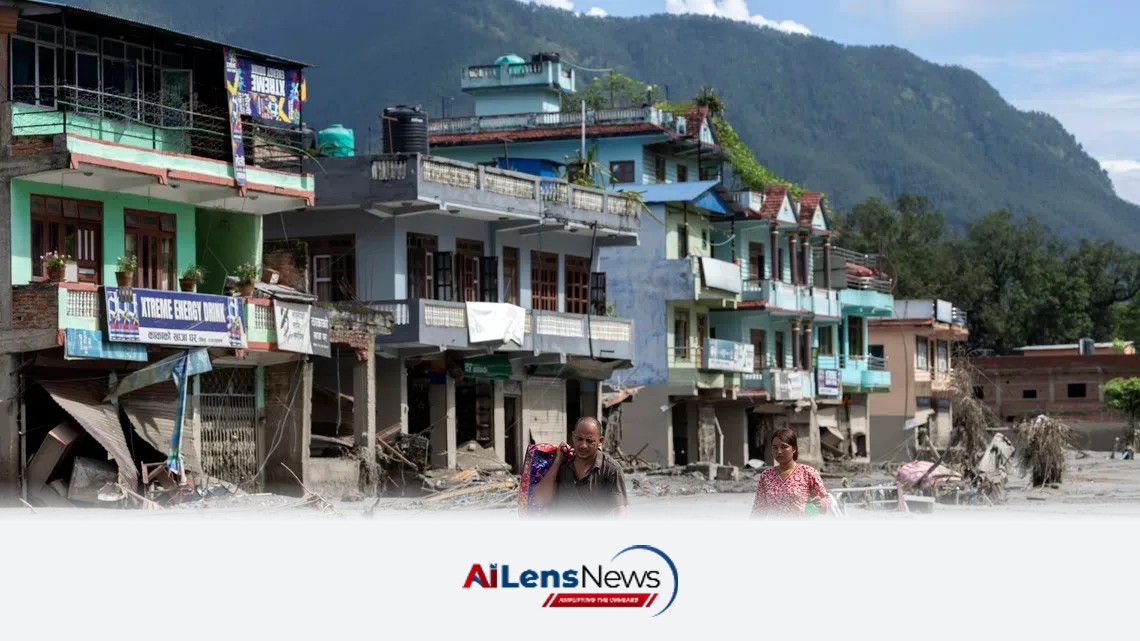



Nepal has declined offers from foreign nations for rescue teams, asserting that its own security agencies can manage the ongoing flood recovery efforts.
Singapore, Singapore Aug 28, 2026 ALN: The recent decision by the Nepal government to reject offers from various countries to send search and rescue teams following the catastrophic floods in the Bhotekoshi region on August 26 has raised eyebrows and sparked discussions about the nation's disaster management strategies. The floods have resulted in the disappearance of 517 foreign nationals, highlighting the scale of the crisis and the urgent need for effective rescue operations.
In the aftermath of the floods, which were reportedly caused by heavy rainfall and subsequent landslides, the Nepalese government has maintained that its own security agencies are fully capable of managing the search and rescue operation. This assertion comes from a place of experience, as the country has faced natural disasters before, including the devastating earthquake in April 2015, which resulted in significant loss of life and property. During that event, the influx of international rescue teams led to coordination challenges, which the government is keen to avoid this time around.
Instead of accepting foreign rescue teams, the Nepal government is focusing on gathering financial contributions to facilitate relief and reconstruction efforts. Officials have indicated that while immediate rescue operations are underway, the longer-term needs will require substantial financial aid and resources. This approach underscores a strategic pivot towards self-reliance, as the government aims to streamline the process of receiving aid and ensure that its own agencies lead recovery efforts.
Countries such as India, the United States, and the United Kingdom have already pledged financial assistance. India’s foreign ministry has confirmed that over 200 Indian nationals are trapped and seeking evacuation, while reports indicate that among the missing are 178 Indians, 65 Americans, and 51 Malaysians. Additionally, Chinese officials have reported that at least 100 Chinese nationals are unaccounted for in Nepal. These figures illustrate the international dimension of the crisis, as many countries have a vested interest in the safety of their citizens and are eager to assist in the aftermath of the disaster.
The rejection of foreign rescue teams has not been without controversy. Some critics argue that the Nepalese government should reconsider its stance, especially given the scale of the disaster and the number of individuals still missing. They contend that international expertise and resources could significantly enhance the effectiveness of the ongoing search efforts. However, government officials have emphasized their confidence in the capabilities of local agencies and the importance of maintaining a coordinated response without the complications that can arise from multiple foreign teams operating simultaneously.
In light of these developments, Nepal has established an Emergency Response Team tasked with coordinating assistance and information dissemination effectively. This team is expected to streamline the process and ensure that aid reaches those who need it most. The government’s strategy reflects a broader trend in disaster management, where nations are increasingly prioritizing self-sufficiency while also recognizing the importance of international cooperation.
Nepal’s experience with the 2015 earthquake has undoubtedly shaped its current approach to disaster response. The overwhelming influx of international aid during that crisis, while well-intentioned, exposed significant gaps in coordination and communication. Many foreign teams arrived without a clear understanding of the local context, leading to duplication of efforts and resource misallocation. By opting for a more controlled response this time, Nepal aims to mitigate these issues and ensure a more effective rescue operation.
The implications of this decision extend beyond immediate rescue efforts. By emphasizing self-reliance, Nepal is also sending a message about its sovereignty and capacity to handle crises independently. This approach may foster a sense of national pride and resilience among citizens, while also encouraging the development of local capabilities in disaster response and management.
Furthermore, as Nepal prepares for the reconstruction phase, the need for substantial financial aid and support will be critical. The government’s focus on securing cash contributions rather than personnel indicates a recognition that rebuilding infrastructure and restoring services will require significant investment. International donors have a crucial role to play in this phase, and their willingness to provide financial assistance will be vital for Nepal’s recovery.
In conclusion, while the rejection of foreign rescue teams may seem controversial, it reflects a calculated decision by the Nepal government based on past experiences and a desire for effective coordination. The ongoing crisis in Bhotekoshi underscores the need for a robust and efficient disaster response strategy, one that balances self-reliance with the potential benefits of international support. As the situation continues to evolve, the focus will undoubtedly shift towards not only finding the missing individuals but also laying the groundwork for a comprehensive recovery and reconstruction plan that can withstand future challenges.
To learn more about the latest developments in Local & Regional, stay updated with our exclusive reports and analyses on AILensNews.

The All Students’ Union (AAPSU) urges job agencies in to enforce new eligibility…

The Roads and Transport Authority of Dubai announces free public parking on Augu…

In Sivasagar, officials demonstrate empathy by personally assisting a colleague …

The South Korean government has officially designated Muan County as the new sit…

The Vice-Chairman of NITI Aayog visited Drass to pay tribute to the heroes of th…