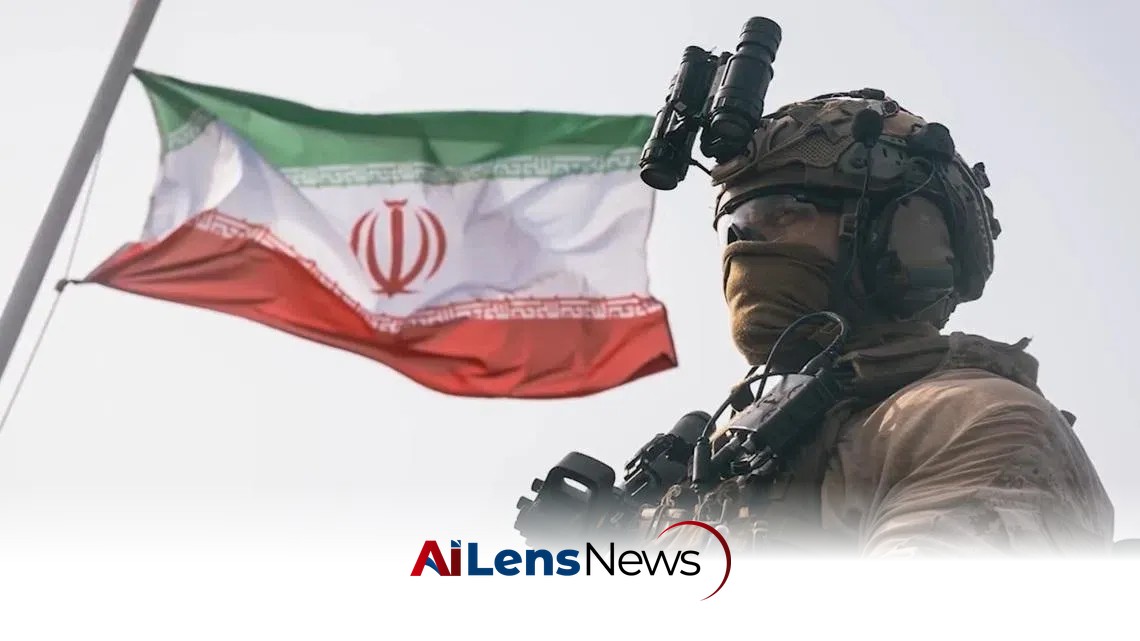


The conflict between Iran and the US escalates with intensified military actions impacting global energy prices and shipping routes in the Strait of Hormuz.
Singapore, Singapore Jul 17, 2026 ALN: DUBAI - The ongoing military confrontation between Iran and the United States has escalated significantly, particularly in the strategically vital Strait of Hormuz, a narrow waterway that serves as a crucial passage for a substantial portion of the world’s oil supply. On July 16, both nations engaged in a series of military actions that underscored the deteriorating relationship between them, which had seen a temporary truce in June. This renewed conflict has raised concerns not only about the immediate implications for regional stability but also for global energy markets.
The backdrop to this escalation is a long-standing rivalry characterized by a series of confrontations and diplomatic failures. The United States has maintained a military presence in the region since the 1979 Islamic Revolution in Iran, which overthrew the pro-American Shah and established a theocratic regime. The US-Iran relationship has been fraught with tension, particularly since the US withdrawal from the Joint Comprehensive Plan of Action (JCPOA) in 2018, which aimed to limit Iran's nuclear capabilities in exchange for sanctions relief. The re-imposition of sanctions has severely impacted Iran's economy, leading to heightened hostilities.
The US military reported that it conducted its sixth consecutive night of strikes against Iranian military targets on July 16, further aiming to diminish Iran's military capabilities in the region. This marked a significant escalation in military engagement, as it was the first time since the June truce that two major waves of US air strikes were carried out in a single day. These strikes primarily targeted Iran’s southern coast, a region critical for its naval operations and military logistics.
In retaliation, Iran launched missiles and drones aimed at US military bases in neighboring countries, including a recently expanded air base in Jordan. Iranian officials claimed that this base was involved in a US attack on a children's cancer hospital in Iran, which reportedly occurred on the night of July 15. Such claims, if substantiated, would represent a significant violation of humanitarian norms and could further inflame tensions.
The US strikes reportedly hit several key locations, including Qeshm Island and Bandar Abbas, which is home to Iran’s largest port and significant naval facilities. Iranian news agencies reported that strikes also targeted critical infrastructure, including three bridges and a train station in Bandar Khamir, as well as Iranshahr Airport in southeastern Iran. The inability of independent sources to verify these reports highlights the fog of war and the challenges in obtaining accurate information during such conflicts.
The renewed hostilities have effectively halted traffic through the Strait of Hormuz, a vital corridor for global oil and gas shipments, which has resulted in an uptick in global energy prices. The Strait of Hormuz is a chokepoint through which approximately 20% of the world's oil passes, making any disruption in this area a matter of international concern. Tehran has resumed its blockade of the waterway, while the US has responded by blocking Iranian ports, further escalating the situation.
Iran's military strategy appears to involve leveraging its influence over regional allies, such as the Houthi movement in Yemen, to threaten the Bab al-Mandeb Strait at the mouth of the Red Sea, should US attacks on Iranian infrastructure continue. This could potentially lead to a broader regional conflict, drawing in additional actors and complicating an already volatile situation.
In a briefing on July 16, White House Press Secretary Karoline Leavitt emphasized that President Trump would not allow Iran to continue what she described as "active acts of terrorism" in the Strait of Hormuz without facing consequences. However, she also indicated that the President remained open to diplomatic solutions, suggesting a dual approach of military readiness alongside potential negotiations.
On the Iranian side, officials have expressed a desire to reassert their authority over the Strait of Hormuz. Iran has indicated that they intend to impose passage fees on vessels using the strait after a 60-day negotiation period outlined in the June memorandum of understanding. The US, on the other hand, has encouraged shipping companies to consider alternative routes, such as one along the Omani coast, to mitigate risks associated with transit through the strait.
Iranian military spokesperson Brigadier General Mohammad Akraminia has dismissed the effectiveness of US air strikes, asserting that Iran can strike targets in the strait from various locations within its territory. This statement reflects Iran's determination to maintain its military posture and influence in the region, even in the face of increased US military action.
Furthermore, President Trump has not ruled out the possibility of deploying ground forces, including plans to seize Kharg Island, which is critical for Iran's oil exports. His administration has repeatedly threatened to target Iranian power plants and bridges unless Tehran resumes negotiations regarding its nuclear program and regional activities.
The current state of affairs has left both sides at a crossroads, as they are faced with the choice of either escalating the conflict further or seeking a path to de-escalation. Alex Vatanka, director of the Iran program at the Middle East Institute, remarked that the warring sides appear to be "back to square one," emphasizing the cyclical nature of the hostilities and the challenges inherent in achieving a lasting resolution.
Within Iran, the renewed bombing and military actions have created a sense of anxiety among the populace. Citizens express concerns about the potential for war, with many, like Mahlegha, a 46-year-old government employee, articulating a desire for diplomacy to prevail amidst the uncertainty. This sentiment underscores the human cost of the ongoing conflict and the pervasive fear of escalation that permeates daily life in Iran.
The implications of the escalating tensions between Iran and the US extend beyond the immediate military confrontations. The potential for disruption in oil supplies could lead to increased prices, affecting economies around the globe. Moreover, the risk of a broader regional conflict involving other nations or non-state actors remains a significant concern. As both sides navigate this precarious situation, the international community watches closely, hoping for a resolution that avoids further escalation and fosters stability in a region long plagued by conflict.
To learn more about the latest developments in World News & International Affairs, stay updated with our exclusive reports and analyses on AiLensNews.

