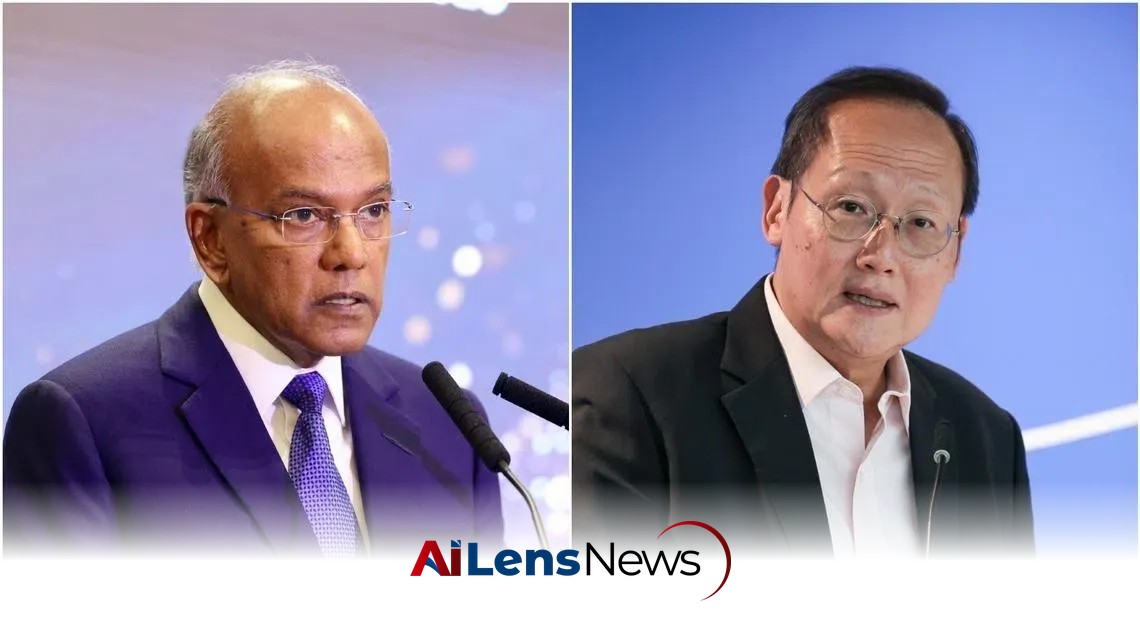


Cabinet ministers K. Shanmugam and Tan See Leng were awarded $230,000 each in damages from Bloomberg after a defamation ruling in their favor.
Singapore, Singapore Jul 14, 2026 ALN: SINGAPORE - The High Court on July 14 awarded Cabinet ministers K. Shanmugam and Tan See Leng each $230,000 in damages after ruling in their favour in the defamation suit they brought against news provider Bloomberg and its journalist. This ruling underscores the ongoing tensions between media reporting and the reputations of public officials, particularly in a context where transparency and accountability are paramount in governance.
The case arose from a Bloomberg article published on December 12, 2024, titled “Singapore mansion deals are increasingly shrouded in secrecy,” which mentioned transactions involving Good Class Bungalows (GCBs) in Singapore. GCBs are among the most prestigious residential properties in Singapore, often associated with the wealthy elite and public figures. The mention of such properties in a context of alleged secrecy carries significant implications, especially for individuals in positions of power.
The article included the ministers’ property deals in 2023 – the sale of Mr. Shanmugam’s former home in the Queen Astrid Park area to UBS Trustees for $88 million and Dr. Tan’s non-caveated purchase of a bungalow in Brizay Park for nearly $27.3 million. These transactions, given their high value and the profile of the individuals involved, naturally attract public interest and scrutiny. However, the manner in which they are reported can lead to serious reputational consequences for those involved.
In a written judgment on July 14, Justice Audrey Lim found that the natural and ordinary meaning of the article suggested that the ministers took advantage of the absence of checks and balances or disclosure requirements to conduct their property transactions in a non-transparent manner. The judgment indicated that they did so to hide their transactions and avoid scrutiny that might extend to the possibility of money laundering. This assertion is particularly serious as it implies not just unethical behavior, but also potential criminal activity, which could irreparably damage the ministers' reputations.
The article was deemed defamatory of both claimants, according to the ruling. Justice Lim pointed out that the implication drawn from the article could lead the public to believe that the ministers were engaging in illicit activities, which could undermine public trust in their integrity and the integrity of the government as a whole. “An allegation that a person has deliberately structured his property dealings to escape examination for possible money laundering plainly tends to lower him in the estimation of right-thinking members of society,” Justice Lim stated.
This case highlights the delicate balance that must be maintained between journalistic freedom and the responsibility of the media to report accurately and fairly. In a democratic society, the press plays a critical role in holding public officials accountable and informing the public about issues of significance. However, when reporting crosses the line into defamation, it can lead to serious legal repercussions and damage to individuals’ reputations.
The implications of this ruling extend beyond the immediate financial compensation awarded to the ministers. It raises questions about the standards of reporting in the media, especially regarding sensitive subjects such as property transactions involving high-profile individuals. The case may prompt media organizations to reassess their editorial practices and the way they report on similar issues in the future, particularly in a jurisdiction like Singapore, where defamation laws are stringent and the legal consequences of defamatory statements can be severe.
Moreover, this ruling may also have a chilling effect on investigative journalism, as reporters and news organizations weigh the risks of potential defamation lawsuits against their desire to expose wrongdoing or unethical behavior among public officials. This could lead to a more cautious approach to reporting, where journalists may shy away from pursuing stories that involve powerful figures, out of fear of legal repercussions.
In the broader context of governance and public trust, this case serves as a reminder of the importance of transparency and accountability in the actions of public officials. The perception of impropriety, even if unfounded, can lead to a loss of public confidence in government institutions. Therefore, it is crucial for public figures to maintain high standards of conduct and transparency in their dealings, not only to avoid legal challenges but also to uphold the integrity of their offices.
As the story develops, it will be essential to monitor how this ruling influences both media practices and public perceptions of government officials in Singapore. The ongoing dialogue about the role of the media, the responsibilities of public figures, and the legal frameworks that govern defamation will continue to shape the landscape of public discourse in the country.
Defamation cases involving public figures are not uncommon in Singapore, a nation known for its strict laws regarding libel and slander. The legal framework in Singapore allows public officials to seek redress for defamatory statements that could harm their reputations. This legal environment often influences how journalists approach stories involving government officials, as the potential for costly lawsuits looms large.
In recent years, there has been a growing discourse around the need for responsible journalism that balances the public's right to know with the protection of individuals' reputations. Advocates for press freedom argue that while accountability is crucial, it should not come at the expense of a free press. They contend that journalists must be able to investigate and report on matters of public interest without fear of retribution, provided they adhere to ethical standards of reporting.
The implications of the High Court's ruling may reverberate beyond the immediate parties involved. It may serve as a precedent for future defamation cases, influencing how similar cases are adjudicated in the future. The ruling could embolden other public officials to pursue legal action against media outlets for perceived defamatory reporting, potentially leading to an increase in lawsuits that could further strain the relationship between the media and the government.
Furthermore, the case raises important questions about the role of the media in a democratic society. Journalists are often seen as the watchdogs of democracy, tasked with uncovering truths and holding those in power accountable. However, when the media is perceived as crossing the line into defamation, it can lead to a chilling effect on the willingness of journalists to cover sensitive topics, particularly those involving powerful individuals.
As the media landscape continues to evolve, particularly with the rise of digital platforms and social media, the challenges of maintaining journalistic integrity while ensuring accountability will remain at the forefront of public discourse. The balance between protecting reputations and ensuring transparency in governance is a complex issue that requires ongoing dialogue among journalists, public officials, and the public.
In conclusion, the High Court's ruling in the defamation case involving K. Shanmugam and Tan See Leng has significant implications for the media and public officials in Singapore. It highlights the need for responsible reporting and the importance of maintaining public trust in government institutions. As the situation unfolds, it will be crucial to observe how this ruling shapes media practices, public perceptions, and the broader conversation around accountability and transparency in governance.
To learn more about the latest developments in Crime & Law, stay updated with our exclusive reports and analyses on AiLensNews.

