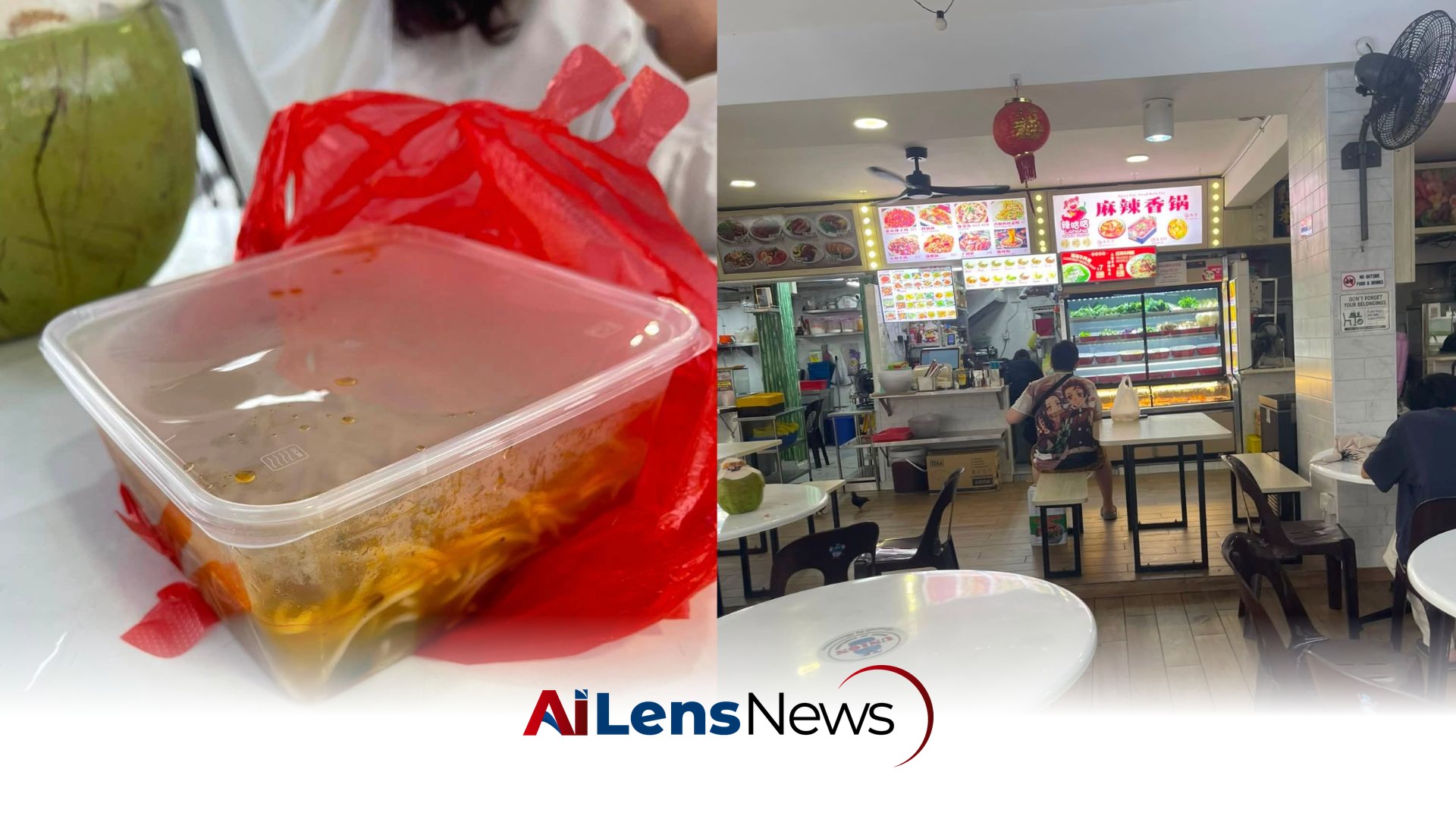


A Singaporean employer raised concerns on social media after her helper was charged 50 cents for a takeaway box at a hawker stall, sparking discussions about pricing standards.
Singapore, Singapore Jul 17, 2026 ALN: A customer voiced a complaint on social media when her maid was charged 50 cents at a hawker stall near Aljunied Medical Centre for a takeaway box. This incident has sparked a broader conversation about the pricing of takeaway containers at food stalls across Singapore, highlighting the complexities of consumer expectations and vendor practices in the bustling food scene of the city-state.
The employer, in her Facebook post, argued for a uniform price for takeaway containers from food stalls, stating: “I think there should be a standard pricing for takeaway boxes rather than allowing vendors to profiteer.” This sentiment resonates with many consumers who feel that the increasing costs associated with takeaway food are becoming burdensome. In recent years, the price of takeaway containers has seen a noticeable increase, with many netizens commenting that containers used to cost around 30 cents, but now some stalls charge 50 cents or even S$1, reflecting a trend that is concerning for many regular patrons of hawker stalls.
“Nowadays, nothing is free. Everything is charged according to their needs,” a netizen remarked, encapsulating a growing frustration among consumers who perceive that every aspect of dining out is becoming more expensive. This perception is not unfounded; as the cost of living in Singapore continues to rise, many food vendors are also facing increased operational costs, leading to higher prices for consumers. This situation creates a delicate balance for hawkers, who must manage their pricing strategies while remaining competitive in a market where consumers are increasingly price-sensitive.
Some netizens took a proactive approach by suggesting that diners bring their own containers to avoid paying extra fees. One commenter claimed: “Bring your own clean reusable containers – that is the best; you dictate the cost, and you save the environment by minimizing single-use containers.” This suggestion aligns with global trends advocating for sustainability and reducing single-use plastics. The environmental impact of disposable takeaway containers is significant, as they contribute to the growing problem of plastic waste. By encouraging the use of reusable containers, consumers can not only save money but also play a role in promoting environmental sustainability.
However, the practicality of this suggestion is complicated by the fact that some food stalls do not accept diners’ containers for takeaways. A netizen pointed out that hawkers often claim that personal containers could be contaminated, stating: “Hawkers don’t accept your own containers, claiming that your own containers could be contaminated…. Which is rubbish.” This highlights a tension between consumer desires for sustainability and the operational policies of food vendors, who may prioritize food safety and hygiene over environmental concerns. The issue raises questions about how food stalls can adapt their practices to meet both consumer demands and health regulations.
“I agree to pay, but please don’t make money from it! That I don’t agree with!” a comment concluded, reflecting a sentiment that many consumers share regarding perceived profiteering by food vendors. This comment underscores the need for greater transparency in pricing from stall owners. When consumers feel that they are being charged unfairly, it can lead to resentment and mistrust between customers and vendors. Improved communication regarding pricing structures, including the rationale behind charging for takeaway containers, could help alleviate some of these tensions.
It is common for people to have mixed reactions and opinions over small extra charges at food stalls. While some consumers are willing to accept these charges as a part of the dining experience, others feel that they should be included in the overall price of the meal. This divergence in opinion reflects broader societal attitudes toward pricing and value, particularly in a city where dining out is a significant part of the culture. The hawker culture in Singapore is not just about food; it is a social experience that brings people together. Hence, any additional charges can be perceived as undermining that experience.
In similar news about food stall complaints, there was a report where a diner raised hygiene concerns after claiming she saw a bird fly into a nasi lemak stall, peck at the cucumbers, and later watched the same cucumbers being served to customers. The diner found the incident “very unhygienic,” stating that birds may carry germs and bacteria on their feathers and bodies. This incident highlights the ongoing challenges that food vendors face in maintaining hygiene standards, particularly in open-air hawker centers where the presence of wildlife can pose risks to food safety.
Such hygiene concerns are not new and have been a topic of discussion among Singaporeans for years. The Singapore Food Agency (SFA) has implemented various measures to ensure food safety in hawker centers, including regular inspections and stringent hygiene regulations. However, incidents like the one reported can undermine public confidence in food safety standards, prompting calls for even stricter enforcement and awareness campaigns aimed at both vendors and consumers. The need for public education about food safety practices and the importance of maintaining hygiene in food preparation and serving areas is critical as it can help mitigate consumer fears.
Ultimately, the conversation surrounding the 50-cent charge for takeaway boxes at hawker stalls is emblematic of larger issues within Singapore's food culture. As consumers continue to grapple with rising costs and increasing concerns about hygiene and sustainability, vendors may need to rethink their pricing strategies and operational practices to better align with customer expectations. This situation serves as a reminder of the complexities inherent in the food service industry, where the interplay between consumer preferences, operational costs, and regulatory requirements must be carefully navigated to foster a positive dining experience for all parties involved.
As Singapore continues to evolve, it faces the challenge of maintaining its rich food culture while adapting to the changing economic landscape. The hawker centers, which are a cornerstone of Singaporean identity, must find a way to balance affordability, sustainability, and hygiene standards. This will require collaboration between consumers, vendors, and regulatory bodies to ensure that the hawker culture remains vibrant and accessible for future generations.
Moreover, with the rise of food delivery services and the increasing popularity of takeout options, hawkers may need to innovate their business models. The integration of technology into the food service industry, such as mobile ordering and contactless payments, could enhance customer convenience while addressing some of the operational challenges faced by vendors. Such advancements may also provide an opportunity for hawkers to communicate their pricing structures more effectively, ensuring that consumers understand the costs associated with their meals.
In conclusion, the ongoing dialogue about the 50-cent charge for takeaway boxes is just one facet of a much larger conversation about food pricing, consumer expectations, and the sustainability of practices within Singapore's hawker culture. As the nation navigates these issues, it will be essential for all stakeholders to engage in constructive discussions that prioritize both consumer satisfaction and the viability of hawker stalls as a unique and cherished component of Singapore's culinary landscape.
To learn more about the latest developments in Society & Social Issues, stay updated with our exclusive reports and analyses on AiLensNews.

