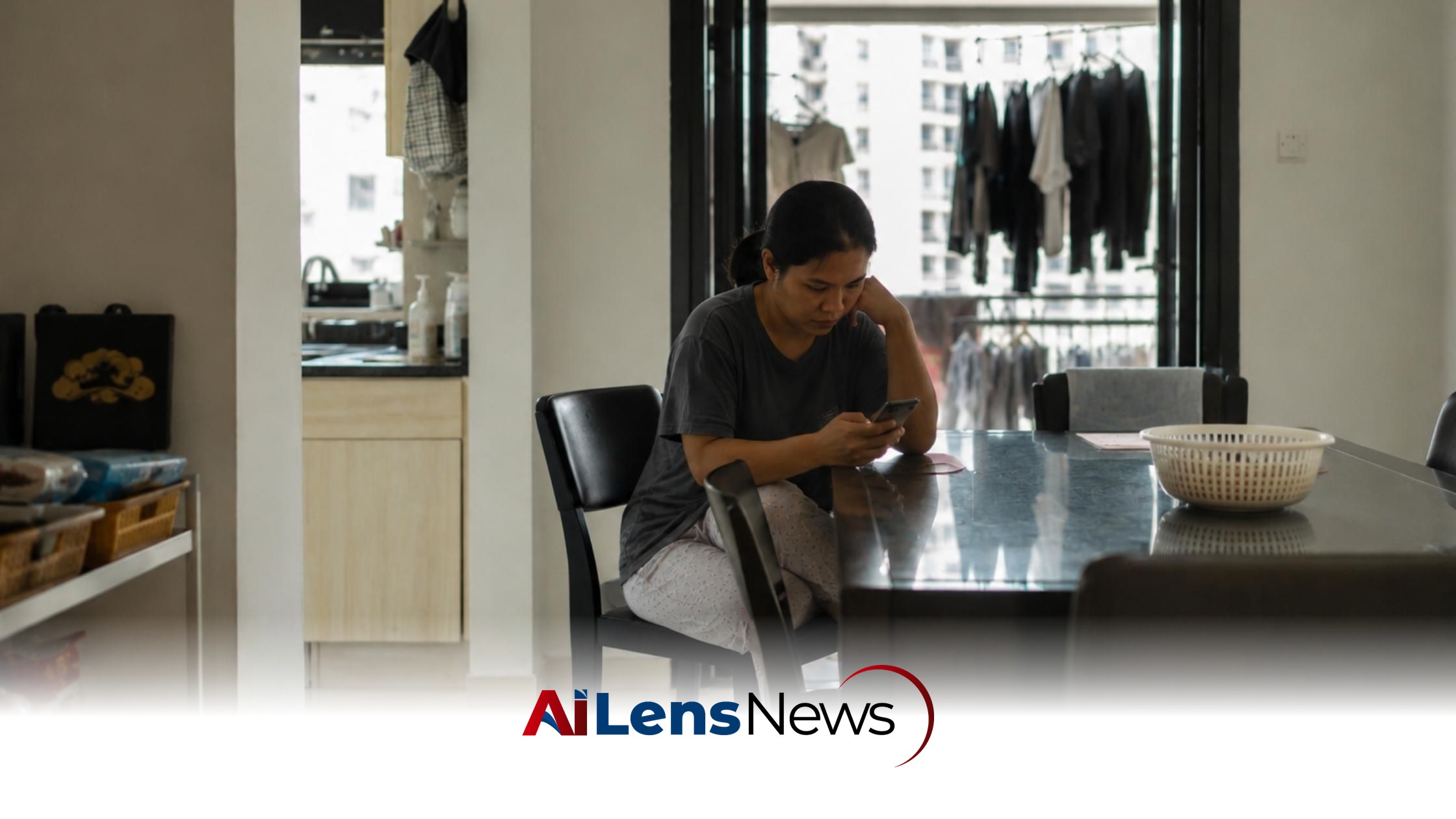


Recent incidents have sparked calls for limiting phone use among domestic workers, as concerns grow over child safety when caregivers are distracted.
Singapore, Singapore Jul 29, 2026 ALN: Reports have emerged highlighting the frequent use of phones by domestic workers during their working hours, raising concerns about the safety of children they are tasked to supervise. This issue has sparked a significant conversation about the responsibilities of domestic workers, the expectations of employers, and the broader implications for child safety and family dynamics in Singapore.
The core of the concern revolves around the potential distractions that personal phone use can create for domestic workers who are responsible for the care of young children. In an environment where vigilance is paramount, the ability to maintain focus on the children in their care is critical. The rise of social media platforms, particularly TikTok, has made it increasingly easy for individuals to become engrossed in their devices. This can lead to situations where children may wander off or engage in unsafe behavior while their caregivers are distracted.
On social media platforms such as Facebook, a netizen expressed their frustration, stating, "Employers of domestic workers here should really take away their phones, especially when they are tasked to accompany young kids! Too many cases of them stuck to their stupid TikTok while the child wanders across the road on their own!" This comment has ignited a discussion about the responsibilities of domestic workers and the safety of children, resonating with many who share similar concerns.
While some netizens echoed the sentiment that employers should take action to limit phone use, others defended the workers, emphasizing the importance of their personal communication. One domestic helper remarked, "As a helper, we know our limit, but employers don’t have the right to confiscate the helper's phone. Helpers buy their own phones and top up for emergencies and communicate with their family." This highlights the tension between personal privacy and professional responsibilities, raising questions about the extent to which employers can intervene in the personal lives of their employees.
In the context of Singapore, where many families rely heavily on domestic workers for child care and household management, the expectations placed on these workers can be immense. Domestic workers often come from different cultural backgrounds and may face unique challenges in adapting to their roles in a foreign environment. The debate around phone use is not just about distraction; it also touches on issues of autonomy, respect, and the complexities of employer-employee relationships.
Moreover, many commenters emphasized that the responsibility for child safety should not solely rest on the helpers. One user pointed out, "Need to confiscate some parents’ phones too. When they should spend time together with the kids, they just choose to stay in bed and watch videos. Expect their primary kids to learn and do everything on their own and just throw everything to the helpers." This comment reflects a growing frustration with parental involvement in child-rearing, suggesting that the issue of child safety is multifaceted and requires a collective approach from both parents and caregivers.
The discussion underscores a broader issue of trust and shared responsibility in childcare. While domestic workers play a crucial role in supporting families, parents must also engage actively in their children's lives. Setting clear expectations on both sides may help alleviate tensions and ensure the safety of children. This includes establishing guidelines for phone use during working hours, as well as fostering open communication between employers and domestic workers about their respective roles and responsibilities.
In a related incident, a domestic worker was seen conducting a TikTok live session with her employer’s undergarments visible in the background, further igniting concerns about privacy and workplace boundaries. This incident raises questions about the appropriateness of certain behaviors in the workplace and the potential consequences of blurring the lines between personal and professional lives. Such occurrences can lead to discomfort for both employers and workers, highlighting the need for clear boundaries and mutual respect.
As the conversation around domestic workers and their phone use continues to evolve, it is essential to consider the implications for all parties involved. Employers must balance their expectations with an understanding of the personal lives of their employees, while domestic workers should be aware of the responsibilities that come with their roles. This balance is crucial for fostering a harmonious working relationship that prioritizes the safety and well-being of children.
Furthermore, this issue is indicative of a larger societal trend where technology increasingly intersects with daily life and work. As smartphones become ubiquitous, the challenge of managing their use in professional settings is likely to persist across various industries. The conversation around domestic workers' phone use may serve as a microcosm of broader discussions about technology, responsibility, and the evolving nature of work in the modern world.
In conclusion, the concerns surrounding domestic workers' phone use during working hours reflect deeper issues related to child safety, employer-employee dynamics, and the impact of technology on daily life. As families navigate these challenges, it is vital to foster open dialogue, set clear expectations, and work together to ensure the safety and well-being of children while respecting the rights and needs of domestic workers. Only through collaboration and understanding can a balanced approach be achieved, ultimately benefiting both children and caregivers.
To further understand the implications of phone use among domestic workers, it is important to consider the broader context of labor rights and the treatment of foreign workers in Singapore. Many domestic workers in Singapore are migrants from countries such as Indonesia, the Philippines, and Myanmar. They often face significant challenges, including cultural differences, language barriers, and the pressure of meeting the expectations of their employers while also managing their own personal lives from afar.
In recent years, there have been increasing calls for better labor protections for domestic workers, highlighting the need for fair treatment, reasonable working hours, and the right to personal time. The issue of phone use is intertwined with these broader advocacy efforts, as it touches on the rights of workers to maintain personal connections and manage their well-being while fulfilling their professional duties.
Additionally, the reliance on technology for communication has become more pronounced in the context of the COVID-19 pandemic, which has further emphasized the importance of staying connected with family and friends. For many domestic workers, their phones serve as a lifeline to their home countries, allowing them to maintain relationships and support systems that are vital for their mental health and emotional well-being.
Addressing the concerns surrounding phone use requires a nuanced understanding of these dynamics. Employers may need to engage in discussions with their domestic workers to establish reasonable boundaries around phone use that respect the workers' need for personal communication while ensuring the safety of children. This could involve setting specific times for phone use, encouraging breaks, and fostering an environment where both parties feel comfortable discussing their needs and concerns.
Ultimately, the conversation about domestic workers' phone use is not just about limiting distractions; it is about recognizing the humanity of the workers and the complexities of their roles. By approaching the issue with empathy and a commitment to mutual respect, employers can create a more supportive environment that acknowledges the challenges faced by domestic workers while prioritizing the safety and well-being of children.
As Singapore continues to evolve as a multicultural society, the treatment of domestic workers and the expectations placed on them will remain critical issues. The ongoing dialogue around phone use is a reflection of broader societal values regarding work, family, and the intersection of technology in our daily lives. By addressing these issues head-on, Singapore can foster a more inclusive and respectful environment for all its residents, ensuring that both domestic workers and the families they serve can thrive together.
To learn more about the latest developments in Crime & Law, stay updated with our exclusive reports and analyses on AiLensNews.

