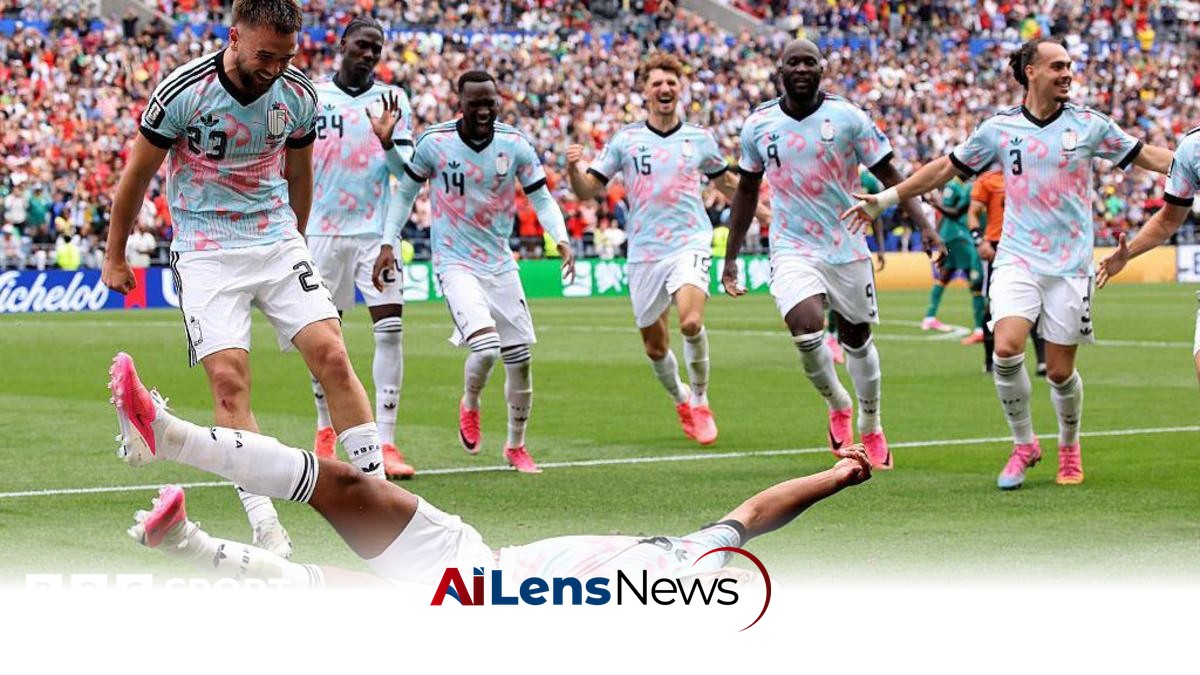



Senegal's World Cup journey ends in a dramatic match against Belgium, marked by late goals and controversy.
New Delhi, India Jul 2, 2026 ALN: One minute, Senegal were cruising into the last 16 of the World Cup.
The next, they were left wondering how another dream had slipped through their grasp.
Manager Pape Thiaw's side led 2018 semi-finalists Belgium 2-0 with only four minutes left of normal time, after goals from Habib Diarra and Ismaila Sarr. This match was not just a game; it was a culmination of years of hard work and aspirations for a nation that has a rich footballing history but has often found itself on the brink of greatness without quite achieving it.
But after outplaying their opponents, they somehow "found a way to lose the game," as ex-Republic of Ireland skipper Roy Keane put it on ITV. The narrative of Senegal's World Cup journey has been one of resilience and determination, yet this heartbreaking exit leaves a bitter taste, reminiscent of past tournaments where they have fallen short.
Romelu Lukaku's 86th-minute goal sparked hope for Belgium and three minutes later, captain Youri Tielemans headed in an equaliser from Leandro Trossard's cross - the pair were earlier seen having a heated argument - to force extra time. This dramatic sequence of events not only shifted the momentum of the match but also highlighted the psychological aspects of football, where confidence can swing like a pendulum in a matter of minutes.
Then came the controversial penalty, awarded for Lamine Camara's challenge on Tielemans following a video assistant referee (VAR) review, and converted by the skipper himself 125 minutes in. This moment was pivotal, not only for the match but also for the broader conversation about the impact of VAR in football, which has been a topic of heated debate since its introduction. Critics argue that it disrupts the flow of the game and can lead to contentious decisions, while proponents believe it enhances fairness.
It condemned Senegal to further agony, having already endured the pain of being stripped of their Africa Cup of Nations (Afcon) title earlier this year. The weight of expectation on the Senegalese team has been immense, especially following their continental triumph, which had ignited hopes of a successful World Cup campaign. This loss, therefore, feels particularly stinging, as it not only represents a missed opportunity but also a continuation of a narrative of near misses.
"Football is just crazy. I couldn't call any of this game," former England striker Dion Dublin told BBC Radio 5 Live. The unpredictable nature of football is what makes it so captivating, yet it can also lead to heart-wrenching moments like this one, where the fine line between victory and defeat can be measured in mere seconds.
No side have rescued themselves from a position as desperate as Belgium's in the World Cup. This match will be remembered for the remarkable turnaround, which not only showcased Belgium's fighting spirit but also raised questions about Senegal's ability to maintain composure under pressure. Rudi Garcia's players would have been forgiven for already contemplating an early flight home when Lukaku, the 33-year-old striker who played only 69 minutes of club football last season, flicked home Thomas Meunier's cross late on.
"Senegal were better than Belgium for 70 minutes. Then Lukaku came on and changed the momentum," said Dublin. This statement encapsulates the essence of football—how a single player can alter the course of a match. Lukaku's impact was immediate and significant, demonstrating that experience and skill can shine through even after a prolonged absence from competitive play.
Three minutes later, Senegal goalkeeper Mory Diaw failed to deal with Trossard's centre and Tielemans rose highest to head into an empty net to pull off an unprecedented comeback. This moment not only marked a turning point in the match but also served as a reminder of the importance of defensive solidity and the psychological burden of protecting a lead.
It was the latest that any team have trailed by two or more goals in regulation time, and gone on to avoid defeat at a World Cup. This statistic emphasizes the rarity of such comebacks, making Belgium's achievement all the more remarkable. "In football, anything is always possible as long as you believe in it," Garcia said after his side's win that was sealed by Tielemans' second from the spot clocked at 124 minutes 44 seconds - the latest goal scored in World Cup history. This record not only highlights the dramatic nature of the match but also the resilience of the Belgian squad, who refused to give up despite the odds stacked against them.
"The strength of this squad also lies in the players who come off the bench, because you can't get results with just 11 players." This insight into squad depth is crucial in tournaments like the World Cup, where fatigue and injuries can play a significant role in a team's performance. Belgium's ability to call upon experienced players from the bench is a testament to their squad's quality.
Perhaps it should not have come as a complete surprise. They are the first side to win a World Cup match after trailing by two or more goals since they themselves stunned Japan in 2018. This historical context adds another layer to the narrative, as it illustrates a pattern of resilience within the Belgian team that has been evident in previous tournaments.
Thibaut Courtois, Kevin de Bruyne, Meunier and Lukaku also played in Rostov eight years ago when they beat the Samurai Blue by the same score to reach the quarter-finals. This continuity within the squad can be both a strength and a weakness; while experience is invaluable, it can also lead to pressure and expectations that may weigh heavily on the players.
Germany are the only side to previously achieve the feat - against Hungary in 1954 and England in 1970. This historical parallel serves to underscore the significance of Belgium's comeback, placing it within the broader context of World Cup history.
However, that winner came in controversial circumstances, with the penalty awarded after a VAR check deep into extra time. The implementation of VAR has been a double-edged sword; while it aims to eliminate clear errors, it can also lead to lengthy delays and contentious decisions that leave teams feeling aggrieved. But while Belgium celebrated, many questioned whether Camara's challenge warranted the penalty and also the time it took to reach the decision.
"I genuinely don't believe that is a penalty," said former England defender Gary Neville on ITV. This sentiment reflects a broader frustration among fans and pundits alike regarding the inconsistency of officiating in football. Keane added: "The penalty is a bit harsh and the referee took so long to look at the screen. You want conviction in the referee's decision and he was hesitating for a long time." Such comments highlight the ongoing debate surrounding VAR's role in the game, especially in high-stakes matches like this one.
For Senegal, the scenes may have brought back memories of Rabat and the Afcon final in January. There, it was Morocco who were awarded a stoppage-time penalty following a VAR check on El Hadji Malick Diouf's challenge on Brahim Diaz. The psychological toll of these moments cannot be understated; they can linger in the minds of players and fans alike, creating a sense of injustice that may impact future performances.
Amid sensational scenes, head coach Thiaw ushered his team off the field - which ultimately proven costly for Senegal as they were later stripped of the title despite a 1-0 win against the hosts. This incident serves as a cautionary tale about the importance of maintaining composure in high-pressure situations, as emotions can cloud judgment and lead to detrimental outcomes.
"We're out - it hurts," Thiaw said. His words encapsulate the disappointment felt not just by the players but by an entire nation that had rallied behind their team. "We must congratulate the team, who gave it their all, but unfortunately we weren't able to hold on to our two-goal lead. We have to accept this. That's football." This acceptance of defeat, while commendable, does little to alleviate the pain of what could have been.
Only Courtois, De Bruyne, Meunier, Lukaku and 37-year-old Axel Witsel remain from the Belgium side that finished third in 2018. This generational shift brings both challenges and opportunities; while the remaining players possess invaluable experience, they also carry the weight of expectations that come with being part of a so-called "golden generation."
But Wednesday's comeback was evidence that the remnants of their golden generation could still play an important role this time. Meunier provided the cross for Lukaku's goal, while Courtois remains their number one. These players have not only been pivotal in this match but also serve as anchors for the younger talent coming through the ranks, providing guidance and leadership on and off the pitch.
And although De Bruyne was withdrawn after 58 minutes to his visible frustration, Belgium could still rely on the former Manchester City playmaker for creativity as they prepare for a last-16 meeting with co-hosts United States. His experience in high-pressure situations will be invaluable as Belgium navigates the knockout stages of the tournament.
Lukaku, meanwhile, was not just the gamechanger but also the peacemaker as teammates Tielemans and Trossard argued with each other during the hydration break in the second half. This incident highlights the emotional intensity of World Cup matches, where the stakes are high, and tensions can run rampant. "They are at each other's throats and it's boiling over, which is not a good look. Even the manager has come across too," Dublin said.
Tielemans played down the incident after the game, saying: "Those are the emotions of the moment. We're all winners. We all want to win. To do things right. To represent our country well, that's all part of it. That's part of football. Afterward, there was no issue." This perspective illustrates the competitive spirit that drives players to push each other, even if it occasionally leads to conflict.
They might be far from perfect, but Belgium and their old guard have shown they still possess the quality and resilience to deliver at this World Cup. This match will be remembered not just for its scoreline but for the lessons learned, the emotions experienced, and the created on the world stage. As the tournament progresses, both teams will reflect on this encounter, with Senegal searching for redemption and Belgium aiming to harness their experience for a deeper run in the competition.
To learn more about the latest developments in World News & International Affairs, stay updated with our exclusive reports and analyses on AILensNews.

