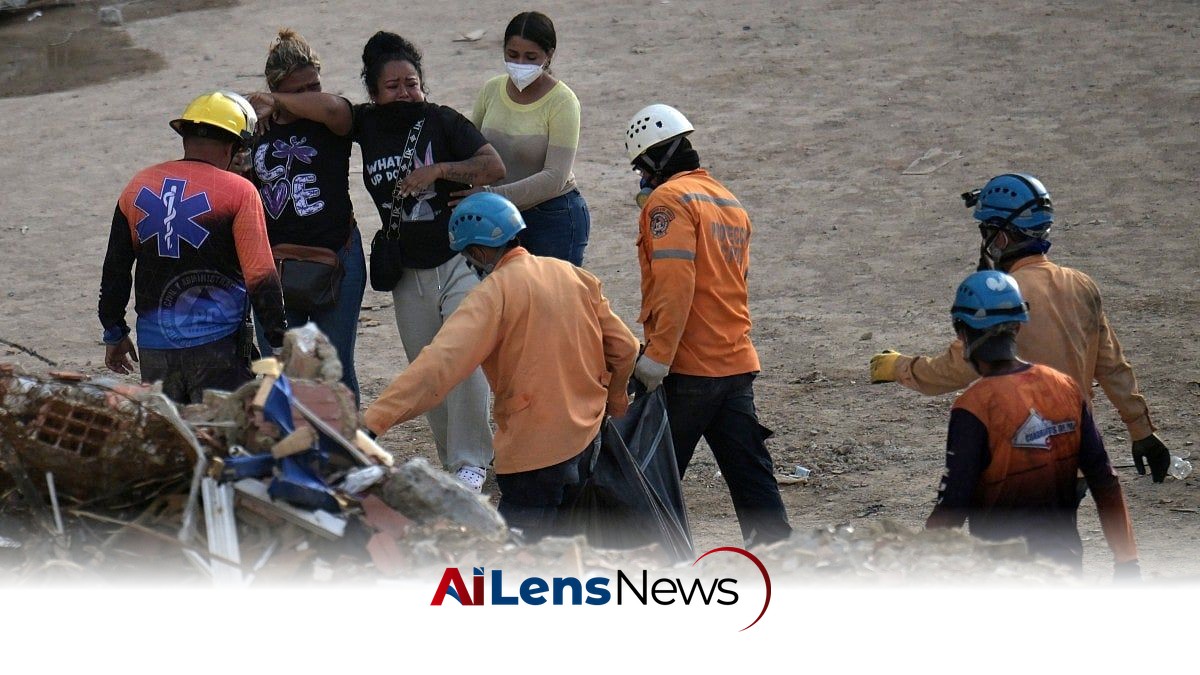


The death toll from the recent twin earthquakes in Venezuela has tragically risen to 4,490, with rescue operations still underway as communities grapple with the aftermath.
Riyadh, Saudi Arabia Jul 13, 2026 ALN: In a devastating turn of events, the death toll from the twin earthquakes that struck Venezuela has now surpassed 4,490. The nation is grappling with the aftermath of these catastrophic events, as rescue operations continue to search for survivors amidst the rubble. The earthquakes, which struck with significant magnitude and intensity, have left a profound impact on the country, exacerbating existing challenges and creating new ones for the population.
The earthquakes, which occurred within a short span of time, have left thousands injured and many more displaced. Emergency services are working tirelessly to provide aid and support to affected communities, but the scale of destruction has posed significant challenges. Infrastructure damage has been extensive, with roads, bridges, and buildings collapsed, complicating rescue efforts. Hospitals are overwhelmed with the influx of injured individuals, stretching medical resources to their limits.
Rescue teams, comprising local volunteers and international aid workers, are conducting searches in the most affected areas. They are utilizing heavy machinery to clear debris and access trapped individuals. Reports indicate that many families are still unaccounted for, raising concerns about the potential for further casualties. The urgency of these rescue operations cannot be overstated, as the window for finding survivors diminishes with each passing hour.
In addition to physical searches, psychological support is also being offered to survivors and rescuers alike. The trauma from such disasters can have long-term effects, and mental health professionals are being deployed to help those affected cope with their experiences. Community centers are being set up to provide a safe space for individuals to express their feelings and receive support.
The Venezuelan government has declared a state of emergency in the hardest-hit regions, mobilizing resources to assist those in need. President Nicolás Maduro has pledged to provide support for rebuilding efforts and has called for international assistance to aid in recovery. This declaration allows for the swift allocation of funds and resources, although the effectiveness of the government’s response has been met with scrutiny given the country's ongoing economic difficulties.
Critics have pointed out that Venezuela has faced significant challenges in disaster preparedness and response due to years of economic mismanagement and political turmoil. The government's ability to coordinate an effective response is being tested, as it must navigate both logistical challenges and political pressures. In the aftermath of the earthquakes, there are calls for transparency and accountability in the use of aid and resources.
The Venezuelan government has historically struggled with resource allocation, particularly in the context of its ongoing economic crisis, characterized by hyperinflation, shortages of basic goods, and a collapsing healthcare system. These factors have raised questions about the government's capacity to manage an effective disaster response, as many citizens have expressed skepticism regarding the government's ability to provide timely and adequate assistance.
Despite the overwhelming challenges, local communities are coming together to support one another. Many residents have opened their homes to those who have lost everything, showcasing a spirit of solidarity in the face of adversity. Community leaders are organizing food and shelter for displaced families, emphasizing the importance of unity during this crisis. Grassroots organizations have sprung into action, providing essential services and support to those in need.
The resilience of the Venezuelan people is evident in their willingness to help each other during this time of crisis. Local businesses are contributing supplies, while neighbors are banding together to share resources. This community spirit is vital not only for immediate relief but also for long-term recovery, as social cohesion can significantly impact the rebuilding process.
Moreover, community resilience is often bolstered by cultural ties and shared experiences. In Venezuela, where many communities have faced hardships due to political and economic instability, the current crisis has further highlighted the importance of mutual aid and cooperation. Local initiatives, such as food drives and volunteer networks, have emerged as critical components of the recovery effort, demonstrating how communities can mobilize quickly in times of need.
Several countries have offered their assistance, sending supplies and rescue teams to aid in the recovery efforts. The international community is closely monitoring the situation, with humanitarian organizations preparing to provide long-term support as the nation begins to rebuild. Aid packages are being coordinated through various channels, including the United Nations and non-governmental organizations, focusing on delivering food, medical supplies, and shelter materials.
However, there are concerns about the distribution of aid and the potential for bureaucratic obstacles. Ensuring that aid reaches those who need it most is paramount, and many organizations are working to establish transparent channels for assistance. The involvement of international aid workers can also help bring expertise in disaster management, which is crucial for effective recovery.
In addition to immediate relief efforts, international support may also play a role in the long-term rebuilding process. Experts suggest that reconstruction should not only focus on physical infrastructure but also on strengthening community resilience and enhancing disaster preparedness for future events. This holistic approach could help mitigate the impacts of future disasters and promote sustainable development in the region.
The situation in Venezuela remains critical as the death toll continues to rise. With ongoing rescue efforts and a united community response, there is hope for recovery and rebuilding in the aftermath of this tragedy. As the nation mourns its losses, the resilience of its people shines through, demonstrating their strength in the face of disaster. The coming weeks will be crucial as the focus shifts from immediate rescue operations to long-term recovery and rebuilding efforts.
In the wake of such devastation, it is essential for both the Venezuelan government and the international community to prioritize sustainable recovery strategies that address not only the physical rebuilding of infrastructure but also the emotional and psychological needs of the population. As the nation navigates this challenging period, the lessons learned from this disaster will be vital for enhancing future preparedness and resilience against similar calamities.
Furthermore, the Venezuelan experience highlights the importance of global solidarity in times of crisis. As nations come together to support those affected by natural disasters, it underscores the need for collaborative efforts in disaster response and recovery. The international community's role in providing aid, expertise, and resources can significantly influence the trajectory of recovery and rebuilding, shaping the future of a nation that has already faced considerable adversity.
To learn more about the latest developments in Health & Public Safety, stay updated with our exclusive reports and analyses on AiLensNews.

