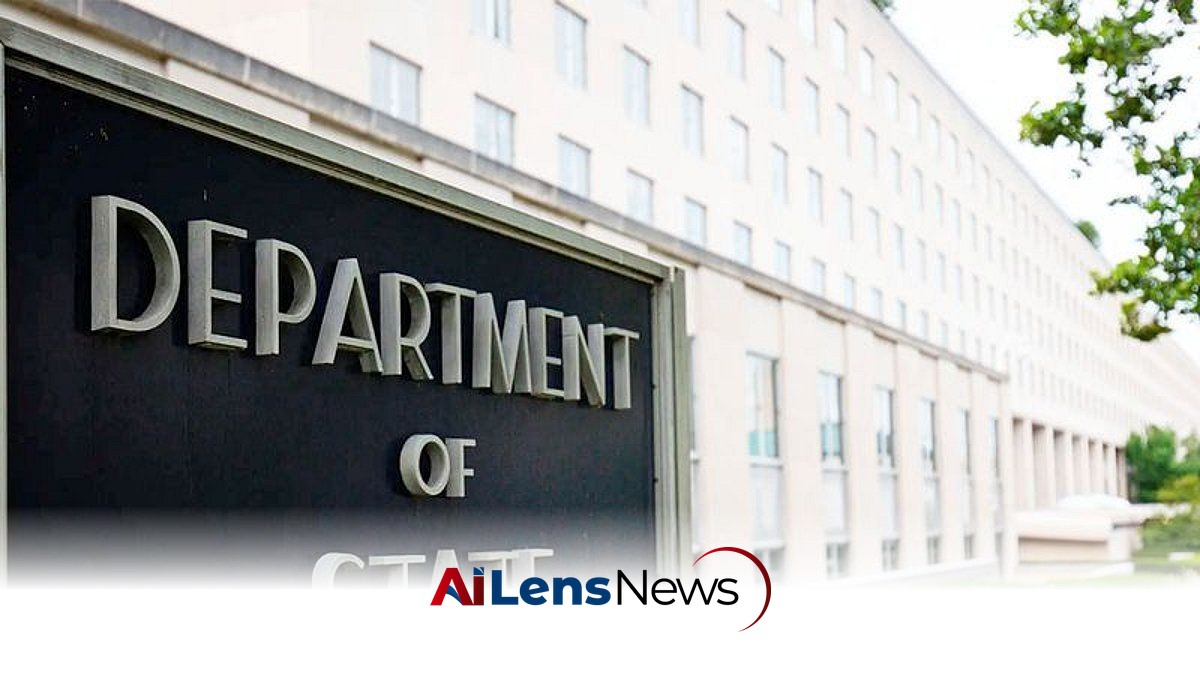


The US State Department is making a visa bond program permanent, raising the bond amount to $20,000, primarily affecting African nations.
Riyadh, Saudi Arabia Aug 1, 2026 ALN: The State Department is making permanent a pilot program under which citizens from 50 countries, mainly in Africa, are required to post bonds to apply for a US visa, and it’s raising the cost as well, to as much as $20,000.
A draft notice published Friday in the Federal Register says a nearly year-long review “provided sufficient data” to suggest the bond program effectively enforces compliance with visa conditions, and would be made permanent. The decision to formalize the program reflects a shift in the U.S. immigration policy landscape, particularly under the previous administration, which sought to tighten immigration controls and reduce the number of individuals overstaying their visas.
The notice is to be formally released on Monday, the day the program becomes permanent, and additional countries may be added to the list, which can be found here. This move is indicative of a broader trend in U.S. immigration policy, which has increasingly focused on restricting access to visas for individuals from certain regions, particularly those perceived to have higher rates of visa overstays.
The pilot program set the maximum bond amount at $15,000, with lower amounts of $5,000 and $10,000 based on a consular officer’s discretion. However, the final regulation raises the maximum to $20,000 and removes the $5,000 low-end payment. This change is significant as it reflects the administration's commitment to deter potential overstays by imposing a financial barrier to entry for visa applicants.
The program requires holders of passports from the affected countries to pay the bond to be interviewed for business and tourist visas — known as B1 and B2 visas — to travel to the United States. The bond is refunded if the visa application is denied or, if granted, if the person adheres to the visa terms. This structure is designed to ensure that applicants have a financial incentive to comply with the conditions of their visa, as failure to do so would result in the forfeiture of the bond.
The Trump administration rolled out the program last August to crack down on visa overstays and as part of its broader efforts to curtail illegal migration. The initiative was positioned as a necessary step to protect U.S. immigration integrity, particularly in light of rising concerns over undocumented immigration and the associated costs to the U.S. government. The government estimates that arresting and deporting visitors who have overstayed their visa costs about $18,000 per person, a figure that underscores the financial implications of visa overstays on the immigration system.
State Department officials have hailed the program as a great success. In 2024, nearly 45,500 visitors from the 50 countries in the program overstayed their visas, according to the notice. This statistic highlights the ongoing challenges the U.S. faces in managing its visa system and ensuring that individuals comply with the terms of their entry into the country.
In the first 10 months of the pilot visa bond program, the number of overstays from those countries was fewer than 50, it said. This dramatic reduction in overstays suggests that the bond requirement may have had the desired effect of discouraging potential overstays among visa holders, thereby contributing to the program's perceived success.
Critics have said it imposes an unnecessarily harsh burden on people from impoverished countries to visit family members or to pursue education or business opportunities in the U.S. The financial requirement of a $20,000 bond is significant, especially for individuals from countries where the average income is substantially lower than in the United States. This has raised ethical concerns about the accessibility of U.S. visas for those who may have legitimate reasons to travel but lack the financial means to pay such a high bond.
According to government projections and statistics from the first year of the program, the State Department initially expected that about 2,000 visa applicants would be required to post the bond. Instead, the department found that roughly 20,000 applicants were covered by the bond requirement. This discrepancy indicates that the initial estimates were significantly off, suggesting that the bond requirement may be affecting a larger demographic than anticipated.
Nearly half of those applicants chose not to pay the bond and there was an 83% decline in the number of business and tourist visas issued to citizens of countries on the list. This decline raises questions about the long-term implications of the bond program on U.S. tourism and business relations with the affected countries. The drop in visa issuance could have broader economic ramifications, particularly for sectors reliant on international visitors, such as hospitality and travel.
“The department expects that this final rule will contribute to the continued reduction of demand for B1/B2 visa applications from nationals of countries subject to the program,” the notice said. This statement reflects a strategic approach by the U.S. government to manage visa applications based on perceived risks associated with specific nationalities.
The implications of this policy change extend beyond just the immediate financial burden on applicants. It raises broader discussions about the nature of U.S. immigration policy, particularly in relation to fairness, equity, and the ability of individuals from lower-income countries to access opportunities in the United States. As the U.S. continues to navigate the complexities of immigration reform, the introduction of such measures may lead to further scrutiny and debate about the balance between national security and humanitarian considerations.
Additionally, the bond requirement may also impact diplomatic relations between the United States and the affected countries. Countries that feel their citizens are being unfairly penalized may respond diplomatically, potentially leading to tensions or calls for reciprocal measures. As the U.S. seeks to strengthen its global partnerships, the implementation of such policies could complicate international relations and affect bilateral cooperation on various issues.
In conclusion, the permanent establishment of the $20,000 visa bond requirement for citizens from 50 countries marks a significant development in U.S. immigration policy, reflecting a commitment to stricter enforcement of visa regulations. While proponents argue that it will help reduce overstays and protect U.S. interests, critics raise valid concerns about the implications for individuals seeking legitimate access to the U.S. and the potential impact on international relations. As the program unfolds, its effects on visa applications, tourism, and diplomatic relations will be closely monitored and debated.
To learn more about the latest developments in Politics, stay updated with our exclusive reports and analyses on AiLensNews.

