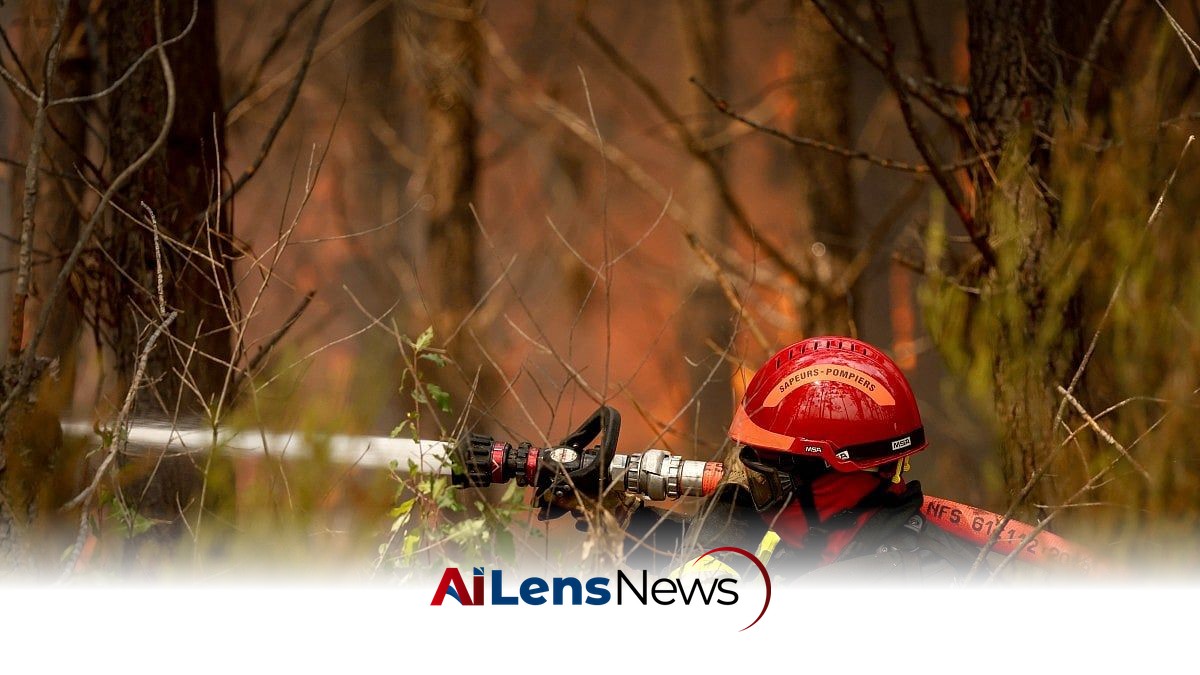


The UAE has expressed its support for France as wildfires lead to mass evacuations in the southwestern region.
Riyadh, Saudi Arabia Jul 26, 2026 ALN: Abu Dhabi: The UAE has expressed its solidarity with the French Republic following the wildfires in southwestern France, resulting in the evacuation of hundreds of thousands of people.
In a statement, the Ministry of Foreign Affairs (MoFA) expressed the UAE’s solidarity with the government and people of France in confronting these wildfires, while wishing safety for all. The wildfires have not only threatened lives and property but have also highlighted the urgent need for collaborative international efforts to combat climate-related disasters.
The wildfires in southwestern France have been particularly devastating, exacerbated by a combination of extreme heat and prolonged drought conditions that have affected much of Europe in recent months. These environmental factors have created a perfect storm for wildfires, leading to widespread destruction of forests, wildlife habitats, and residential areas. The situation has been further complicated by shifting winds, which have allowed the fires to spread rapidly across various regions. This has raised alarms about the effectiveness of current firefighting techniques and the need for innovative approaches to fire management.
In recent years, wildfires have become an increasingly common occurrence in various parts of the world, including Europe, North America, and Australia. Climate change has been identified as a significant contributor to the rising frequency and intensity of these fires. Higher temperatures, reduced precipitation, and changes in vegetation patterns have all played a role in creating conditions that are conducive to wildfires. As a result, many countries are now investing in better fire management strategies, including controlled burns, improved monitoring systems, and community education programs on fire prevention. This shift towards proactive measures underscores the importance of adapting to changing environmental conditions rather than merely reacting to disasters after they occur.
The response to the wildfires in France has involved the mobilization of thousands of firefighters, emergency responders, and volunteers. The French government has also called upon international assistance, with several countries offering support in the form of firefighting resources and personnel. This collaborative effort highlights the importance of global solidarity in the face of natural disasters, as countries recognize that the impacts of climate change do not respect national borders. The coordinated response not only reflects the urgency of the situation but also serves as a model for international cooperation in disaster response.
The UAE's statement of solidarity is significant, as it underscores a growing trend of international cooperation in addressing climate-related challenges. The UAE has been actively involved in global discussions on climate change, particularly in the context of its own initiatives to promote sustainability and renewable energy. As a nation that has experienced its share of environmental challenges, the UAE understands the importance of solidarity and support during crises such as these. This understanding is rooted in the UAE's own experiences with extreme weather events, which have prompted the country to invest in climate resilience and sustainable practices.
Moreover, the UAE's response reflects its broader diplomatic strategy of fostering strong bilateral relations with countries around the world. By expressing solidarity with France, the UAE not only reinforces its commitment to global cooperation but also strengthens its ties with a key European partner. France and the UAE have a history of collaboration on various fronts, including trade, culture, and environmental sustainability. This solidarity gesture could pave the way for further partnerships in addressing climate change and disaster response in the future. The UAE's involvement in international climate initiatives, such as the COP conferences, further highlights its role as a proactive player in global climate governance.
In addition to the immediate humanitarian response, the wildfires in France raise important questions about long-term strategies for disaster preparedness and climate resilience. As wildfires become more frequent, it is crucial for nations to invest in infrastructure improvements, such as firebreaks and better water management systems, as well as community preparedness programs that educate residents on how to respond in the event of a wildfire. The integration of technology, such as satellite imagery and predictive modeling, can enhance the effectiveness of these strategies by providing real-time data to inform decision-making.
Furthermore, the economic implications of such disasters cannot be overlooked. Wildfires can lead to significant financial losses, not only in terms of property damage but also in the impact on local economies that rely on tourism, agriculture, and other industries. The recovery process can be lengthy and costly, requiring substantial investment from both the government and private sectors. As countries like France grapple with the aftermath of wildfires, the need for robust disaster recovery plans becomes increasingly apparent. This includes not only rebuilding infrastructure but also supporting affected communities in their recovery efforts.
As the world continues to witness the effects of climate change, the solidarity shown by the UAE towards France serves as a reminder of the interconnectedness of nations in addressing environmental challenges. The global community must work together to share knowledge, resources, and strategies to mitigate the impacts of climate change and to prepare for the inevitable challenges that lie ahead. This collective approach is essential for fostering resilience in the face of climate-related disasters.
In conclusion, the wildfires in southwestern France represent not only a national crisis but also a global challenge that requires a united response. The UAE's expression of solidarity is a vital step in fostering international cooperation and understanding in the face of climate-related disasters. As countries come together to support one another, the hope is that collective action will lead to more effective solutions for preventing and responding to wildfires and other climate-related emergencies in the future. The ongoing dialogue about climate change and disaster preparedness will be critical in shaping policies that prioritize sustainability and resilience for generations to come.
To learn more about the latest developments in Crime & Law, stay updated with our exclusive reports and analyses on AiLensNews.

