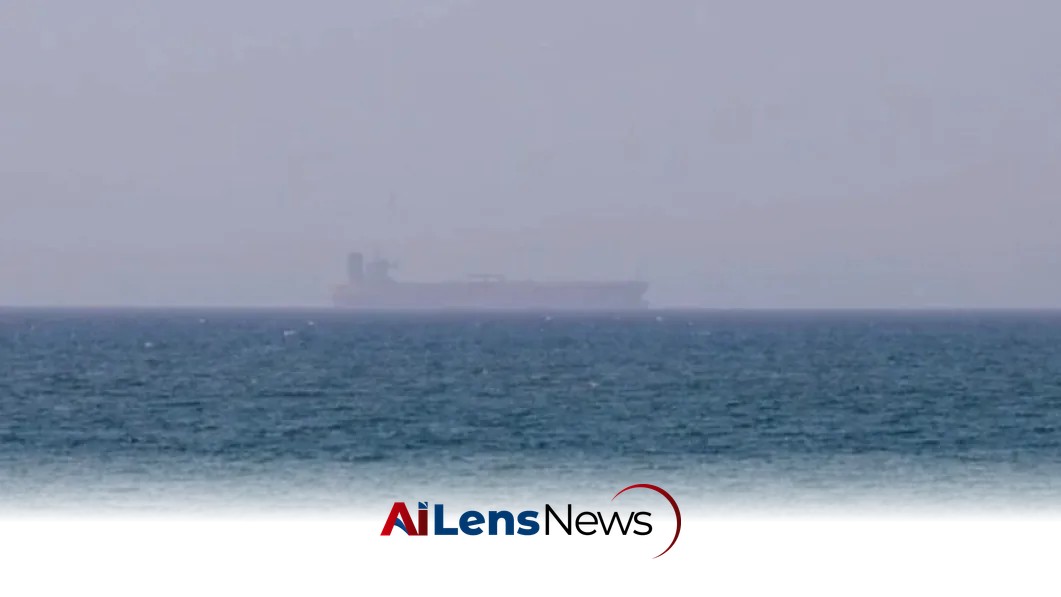


A Saudi official confirmed that the commercial vessel NCC MASA was attacked in the Red Sea, resulting in minor hull damage, but it continued its voyage safely.
Riyadh, Saudi Arabia Jul 25, 2026 ALN: A Saudi official said Friday that the Saudi-owned commercial vessel NCC MASA was targeted while sailing in the Red Sea, sustaining minor damage before safely continuing its voyage.
In a statement, the official said the vessel suffered slight damage to its hull as a result of the attack. After confirming the safety of the ship and its crew, the vessel continued to its intended destination. The NCC MASA incident is a stark reminder of the vulnerabilities faced by commercial shipping in a region that is increasingly fraught with geopolitical tensions and maritime threats.
The official described the continued targeting of commercial vessels as a violation of international laws and norms that guarantee the safety and security of commercial shipping and their crews. This assertion highlights the legal frameworks established to protect maritime activities, particularly under the auspices of international maritime law, which seeks to ensure that vessels can operate freely and securely in international waters.
The Red Sea has long been a vital maritime route, serving as a key passage for global trade, particularly for oil and gas shipments from the Middle East to Europe and beyond. The region is strategically important not only for its economic contributions but also for its geopolitical significance. The Red Sea connects to the Suez Canal, one of the busiest shipping lanes in the world, where a significant percentage of global trade transits annually. The security of this waterway is, therefore, of paramount concern to many nations and international trade organizations.
In recent years, the Red Sea has experienced a rise in maritime incidents, including hijackings and attacks on vessels attributed to various state and non-state actors. The targeting of commercial vessels is often viewed as a tactic to disrupt trade, exert political pressure, or retaliate against perceived adversaries. Such incidents pose significant risks not only to the vessels and their crews but also to the broader economic stability of the region. The implications of these attacks can ripple through global supply chains, affecting everything from energy prices to consumer goods.
The NCC MASA incident raises concerns about the safety of maritime navigation in the Red Sea, where commercial shipping routes are critical to the global economy. The attack on the vessel may prompt increased naval patrols and security measures from Saudi Arabia and its allies, as they seek to protect their maritime interests. This could lead to a more militarized presence in the region, further escalating tensions. The potential for a military response may also draw in other regional powers, complicating an already sensitive geopolitical landscape.
The international community has called for the protection of commercial shipping lanes under international maritime law, which stipulates that vessels should be free from attack while navigating in international waters. The United Nations Convention on the Law of the Sea (UNCLOS) provides a legal framework for maritime navigation and the rights of states to ensure the safety of their vessels. However, enforcing these laws in volatile regions like the Red Sea is challenging, particularly when state and non-state actors engage in asymmetric warfare tactics.
Saudi Arabia has been actively involved in various military operations in the region, particularly in response to threats from Houthi rebels in Yemen, who have been accused of targeting Saudi interests, including commercial shipping. The Houthis have claimed responsibility for several attacks on vessels in the Red Sea, asserting that these actions are part of their resistance against Saudi-led military interventions in Yemen. This ongoing conflict has significantly impacted maritime security, as the Red Sea becomes a battleground for broader regional power struggles.
The implications of such attacks extend beyond immediate physical damage. They can lead to increased insurance costs for shipping companies, which may ultimately be passed on to consumers through higher prices for goods. Additionally, disruptions in shipping can lead to delays in the supply chain, affecting various industries globally. The economic repercussions can be particularly severe in an interconnected world where delays in one region can have cascading effects on markets and consumers worldwide.
In light of these developments, shipping companies operating in the Red Sea may need to reassess their risk management strategies. This could involve rerouting vessels, enhancing onboard security measures, or increasing collaboration with naval forces to ensure safe passage through potentially dangerous waters. The need for robust security protocols is becoming increasingly apparent as companies weigh the risks of operating in high-threat environments against the potential costs of rerouting or delaying shipments.
Furthermore, the incident involving the NCC MASA could lead to diplomatic repercussions, as Saudi Arabia may seek to rally international support against such attacks. The kingdom has historically relied on its alliances with Western nations, particularly the United States, to bolster its security and counter threats in the region. Increased military cooperation and joint naval exercises may be on the horizon as countries work together to safeguard maritime routes. This could also lead to discussions at international forums regarding collective security measures in the Red Sea.
As the situation evolves, the international community will be closely monitoring developments in the Red Sea. The potential for further escalations remains high, particularly if attacks on commercial vessels continue. Countries with significant maritime interests in the region may push for a coordinated response to ensure the protection of their shipping lanes and to uphold international norms regarding maritime security. The response from the international community will be crucial in determining the future safety of this vital maritime corridor.
In conclusion, the targeting of the NCC MASA underscores the fragility of maritime security in the Red Sea amidst ongoing geopolitical tensions. The incident serves as a reminder of the importance of international cooperation in maintaining the safety of global trade routes and the need for robust mechanisms to address threats to commercial shipping. As stakeholders navigate these challenges, the implications for regional stability, economic security, and international relations will continue to unfold. The balance between ensuring maritime security and addressing the underlying geopolitical tensions will be a critical focus for policymakers and industry leaders in the coming months.
To learn more about the latest developments in Crime & Law, stay updated with our exclusive reports and analyses on AiLensNews.

