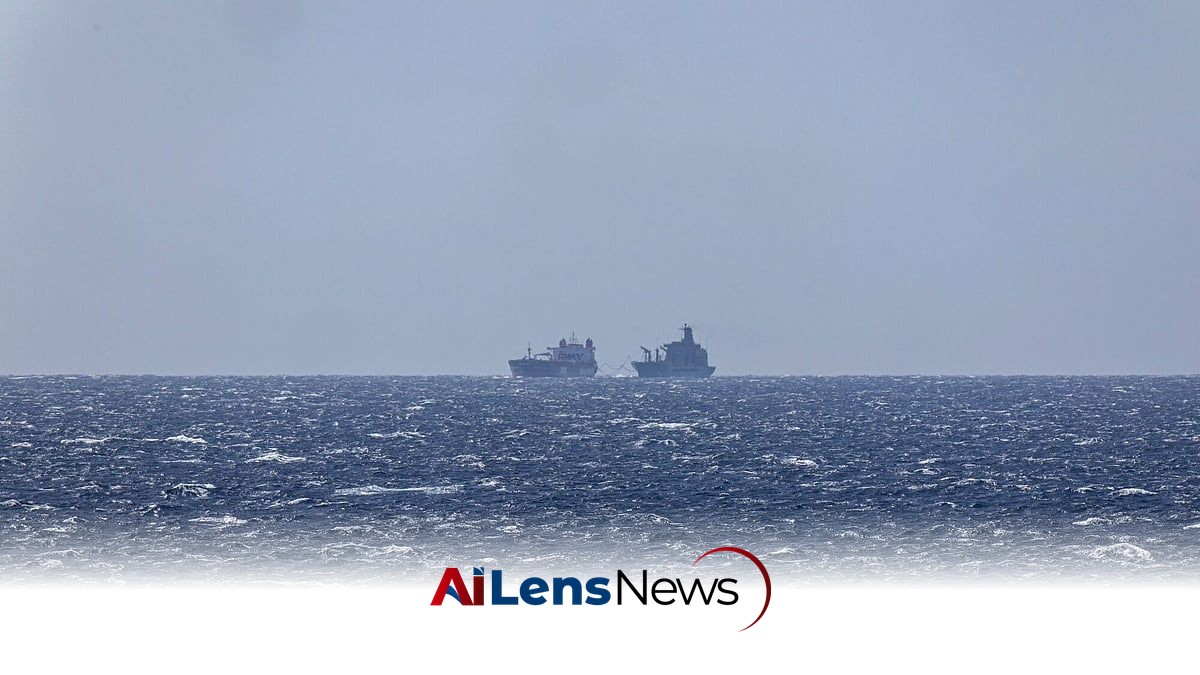


In response to recent attacks on commercial vessels in the Red Sea, the Saudi-led coalition has targeted Houthi military sites, emphasizing continued support for Yemen.
Riyadh, Saudi Arabia Jul 25, 2026 ALN: In a significant escalation of tensions in the region, Major General Turki Al-Malki, the spokesperson for the Coalition to Restore Legitimacy in Yemen, announced that the coalition has launched strikes against Houthi military targets in response to recent attacks on commercial vessels in the Red Sea. This development highlights ongoing hostilities in Yemen that have implications not only for the region but also for global maritime trade.
Al-Malki described the Houthi militia's actions as reckless, framing them within a broader context of maritime crimes that threaten a vital global shipping corridor. The Red Sea is one of the world’s busiest maritime routes, serving as a key passage for oil and goods transported between Europe, Asia, and beyond. Attacks on commercial shipping in this area could have severe repercussions for international trade and shipping insurance rates, potentially leading to increased costs for consumers worldwide.
The spokesperson emphasized the coalition's commitment to supporting the Yemeni people and government in their struggle against the Houthi movement, which has been engaged in a protracted conflict with the internationally recognized Yemeni government since 2014. The war has led to one of the worst humanitarian crises in the world, with millions of Yemenis facing food insecurity, lack of medical supplies, and displacement due to ongoing violence. The humanitarian situation in Yemen is characterized by widespread malnutrition, a collapsing healthcare system, and an economy that has been devastated by years of conflict.
In his statements, Al-Malki clarified that the coalition's airstrikes did not target Hodeidah Port, a crucial entry point for humanitarian aid and commercial goods. He reassured that Yemeni ports, including Hodeidah, Ras Isa, and Salif, remain operational for the commercial shipping of essential items such as food, fuel, and construction materials. This emphasis on maintaining open ports is vital, as the Yemeni economy is heavily reliant on imports, particularly in light of the ongoing conflict which has devastated local production capabilities. The port of Hodeidah, in particular, has been a focal point of contention, as it is the main entry point for humanitarian aid to a country where millions are in dire need of assistance.
Despite the coalition's efforts to ensure the flow of goods, Al-Malki pointed out that the Houthis have continued to block flights to Sana'a International Airport, describing this blockade as a siege against the Yemeni people. The closure of this airport has significant humanitarian implications, limiting access to medical care and other essential services for the population in the capital and surrounding areas. The blockade has been a contentious issue, drawing criticism from various international humanitarian organizations that argue it exacerbates the suffering of Yemeni civilians. Humanitarian agencies have repeatedly called for the reopening of the airport to facilitate the transport of medical supplies and personnel, as well as to allow Yemenis in need of urgent medical treatment abroad to travel.
The coalition's military response, as described by Al-Malki, was characterized as measured and focused on legitimate military sites used by the Houthis to threaten maritime security. This approach aims to comply with international humanitarian law, which seeks to minimize civilian casualties and damage to civilian infrastructure during armed conflict. However, the effectiveness and impact of such strikes are often debated, as military operations in densely populated areas like Yemen can lead to unintended consequences, including civilian casualties and further destabilization of the region. Previous military campaigns have raised concerns about the high civilian death toll and the destruction of critical infrastructure, which has further complicated humanitarian efforts.
In light of the recent attacks, the coalition's Joint Forces Command has indicated that it will continue to take necessary operational steps to safeguard its interests and vessels in the Red Sea. Al-Malki warned of a firm response should Houthi hostilities persist, indicating that the situation could further escalate if diplomatic solutions are not pursued. The threat of continued military action raises concerns about the potential for increased violence, which could further complicate peace efforts in Yemen. Analysts warn that without a significant shift in the current dynamics, the cycle of violence is likely to continue, exacerbating the humanitarian crisis and prolonging the conflict.
The ongoing conflict in Yemen is not just a local issue; it has drawn in regional powers and has implications for broader geopolitical dynamics in the Middle East. The Houthis are widely believed to receive support from Iran, which has led to accusations that the conflict is a proxy battle between Iran and Saudi Arabia. This regional rivalry complicates efforts to achieve a lasting peace in Yemen, as both sides are entrenched in their positions, making negotiations challenging. The involvement of external actors not only fuels the conflict but also complicates the humanitarian response, as various factions vie for control and influence.
International responses to the conflict have varied, with some countries calling for an end to hostilities and urging all parties to engage in dialogue. The United Nations has been involved in mediating peace talks, but progress has been slow, and ceasefires have often been short-lived. The humanitarian situation in Yemen continues to deteriorate, with millions of people in need of assistance, and the international community remains concerned about the potential for further escalation of violence. The UN has repeatedly highlighted the urgent need for a comprehensive ceasefire and a political solution that addresses the root causes of the conflict.
As the coalition continues its military operations against the Houthis, the situation remains fluid. Observers are closely watching how these developments will affect the humanitarian situation in Yemen, the stability of the region, and the safety of maritime routes in the Red Sea. The potential for increased military engagement raises questions about the effectiveness of current strategies to resolve the conflict and the long-term implications for the Yemeni population and the broader Middle East. The ongoing violence not only threatens the lives of civilians but also poses a risk to international shipping and trade, which could have far-reaching economic consequences.
Ultimately, the situation underscores the urgent need for a comprehensive approach that addresses not only the immediate military threats but also the underlying political and humanitarian issues that have fueled the conflict for nearly a decade. Without a concerted effort to bring all parties to the negotiating table and to address the humanitarian needs of the Yemeni people, the cycle of violence is likely to continue, with devastating consequences for the region and beyond. The international community must prioritize diplomatic efforts and humanitarian assistance to alleviate the suffering of the Yemeni people and work towards a sustainable resolution to the conflict.
To learn more about the latest developments in Crime & Law, stay updated with our exclusive reports and analyses on AiLensNews.

