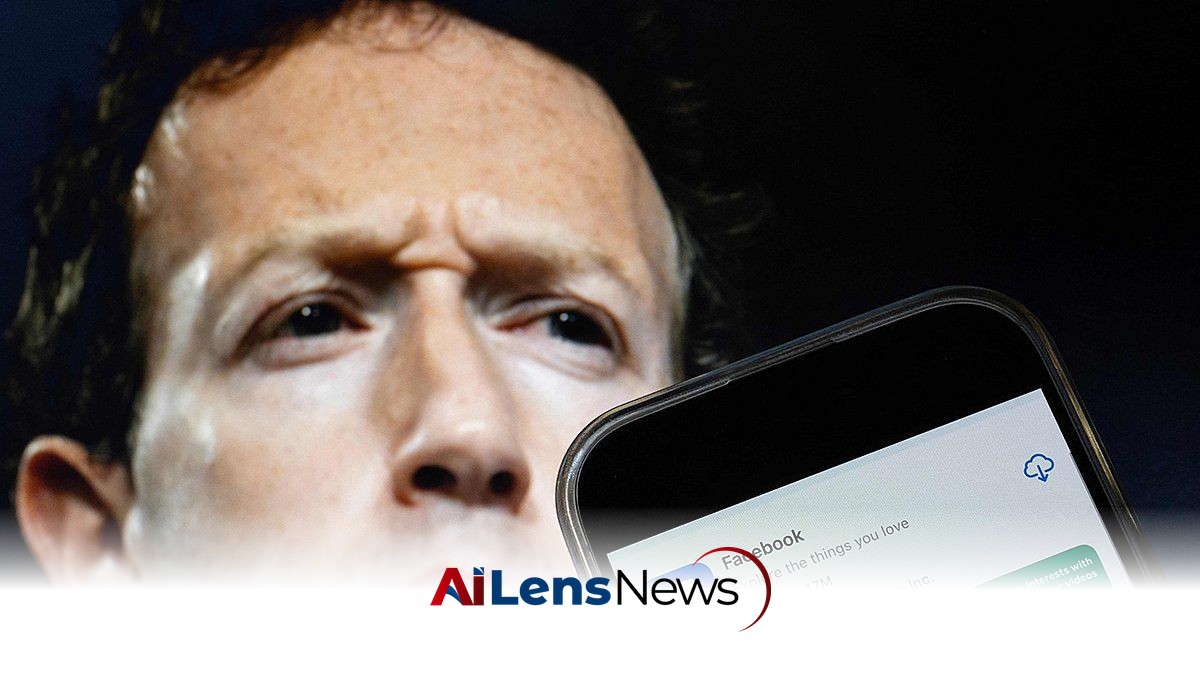


Meta's trial begins, likened to tobacco litigation, as states allege the company designed addictive features for children on its platforms.
Riyadh, Saudi Arabia Aug 13, 2026 ALN: Jury selection kicked off on Wednesday in a California courtroom where Instagram and Facebook owner Meta will defend itself against allegations of harming children in a new trial which experts describe as social media's big tobacco moment. This trial marks a significant moment in the ongoing debate surrounding the impact of social media on youth mental health and well-being, reflecting broader societal concerns about the responsibilities of tech companies in safeguarding vulnerable populations.
Federal Judge Yvonne Gonzalez Rogers and lawyers for both sides probed prospective jurors about their views of social media and Meta, asking if they personally had social media accounts, whether their kids use social media, and if they think social media is responsible for mental health issues, among other questions. This inquiry into jurors' perspectives underscores the importance of public sentiment in a case that could have far-reaching implications for the tech industry.
Some jurors expressed beliefs that social media plays a role in mental health, with one individual comparing the serotonin boost that some people feel from "doomscrolling"—the compulsive act of continuously scrolling through negative news—to using cocaine. This comparison highlights the addictive nature of social media platforms and their potential to create harmful psychological effects, particularly among younger users.
Eight people were picked Wednesday afternoon to serve on the jury. They will play an advisory role in the trial, with the judge making the final decision. This structure is crucial as it allows for a diverse range of opinions to be considered, reflecting the multifaceted nature of the issues at hand.
A coalition of states sued Meta in 2023 for allegedly designing addictive features for kids in its apps and violating state laws. This lawsuit is part of a growing trend where state governments are taking action against major tech companies, seeking accountability for the perceived harm caused by their products. Four states were selected to represent their claims: California, Colorado, Kentucky, and New Jersey. These states have been at the forefront of legal battles against tech companies, aiming to protect children from potential exploitation and harm.
Top prosecutors from those states now aim to prove in federal court that Meta deliberately made Facebook and Instagram addictive for children. This assertion raises critical questions about the ethical responsibilities of tech companies, particularly regarding their design choices and marketing strategies aimed at younger audiences.
Meta "strongly disagrees with these allegations" and is "confident the evidence will show our longstanding commitment to supporting young people," a spokesperson told AFP, adding that the company has "listened to parents, worked with experts and law enforcement." This defense emphasizes Meta's position that it prioritizes user safety and mental health, despite the mounting evidence and public concern regarding the negative impacts of its platforms.
Although it's not the first lawsuit that seeks to hold a social media company accountable for its impact on mental health and safety, it could become one of the most consequential. Experts believe that the outcome of this trial could set a precedent for future cases, influencing how social media companies operate and how they are regulated by governmental entities.
"It really feels like tobacco in the 1990s," Vincent Joralemon, a director at Berkeley's Life Sciences Law and Policy Center, told AFP. This comparison to the tobacco litigation of the late 20th century highlights the potential for significant legal and financial repercussions for the tech industry. Just as tobacco companies were held accountable for misleading marketing practices and the health consequences of their products, social media companies may face similar scrutiny.
While such cases about social media harms revolve around the intersection of technology and addiction, the legal argument in this case against Meta centers on its business practices, similar to when the federal government sued tobacco companies around three decades ago, Joralemon said. The parallels drawn between these two industries underscore a growing recognition of the need for accountability in the face of widespread public health concerns.
By the early 1990s, decades of research showed that tobacco use caused health problems such as cancer, and eventually additional investigations revealed how the industry deliberately downplayed, and even concealed, the harmful impacts of its products. This historical context serves as a warning to the tech industry about the potential consequences of neglecting user safety and well-being.
Dozens of US states sued four major tobacco companies, and by 1998, won a landmark settlement agreement which included financial penalties and changes to how products were marketed, particularly to children whom the industry targeted with ads featuring cartoon characters, the most famous of which was known as "Joe Camel." This settlement not only imposed financial repercussions on tobacco companies but also led to significant changes in advertising practices, aiming to protect youth from the dangers of tobacco.
Meta was convicted on similar grounds in separate trials held in Los Angeles and New Mexico, with combined damages that approach $1 billion. These previous rulings indicate a growing judicial recognition of the harms associated with social media usage, particularly among children and adolescents.
In Oakland, the states are demanding a long list of changes to Meta's apps, in addition to financial penalties as high as $1.4 trillion, close to Meta's entire market value, which hovers around $1.47 trillion as of August 12, 2026. The magnitude of these demands reflects the seriousness with which the states are approaching this case, aiming to enact substantial reforms that could reshape how social media platforms operate.
Despite the eye-popping number, money isn't Meta's biggest problem, if it were to lose the case. "The huge issue here is reputational harm" and being forced to make major changes, Joralemon said. The potential damage to Meta's reputation could have long-lasting effects on user trust and engagement, which are critical for the company's ongoing success.
"Putting a CEO on the witness stand can be quite damning," as well, he said. This statement underscores the potential for high-profile testimonies to sway public opinion and influence the outcome of the trial. Meta founder and chief Mark Zuckerberg is among the star witnesses expected to testify, drawing significant media attention and public scrutiny.
The case could be "the beginning of a broader reckoning" for Meta, Nora Freeman Engstrom told AFP via email. She is a law professor and associate dean at Stanford. This perspective suggests that the outcome of this trial may not only impact Meta but could also set a precedent for how other tech companies are held accountable for their practices.
It will be important to see the "gap" between what Meta knew privately and what it disclosed publicly, Engstrom said. This gap could reveal discrepancies in Meta's public messaging versus its internal knowledge about the potential harms of its platforms, raising ethical questions about transparency and accountability.
Meta is "confident in our record of protecting teens online and will continue to defend ourselves against claims that misrepresent the facts," the company told AFP last week. This assertion reflects Meta's commitment to maintaining its narrative and defending its practices amid growing scrutiny and legal challenges.
In May, Snap, TikTok, YouTube, and Meta settled with a school district in Kentucky for $27 million to avoid another trial that was expected to set a precedent for around 1,200 similar lawsuits. This settlement illustrates the increasing pressure on social media companies to address concerns about their impact on youth and the legal ramifications of their practices.
On Monday, a federal appeals court ruled that more than 3,000 additional lawsuits filed against Meta, YouTube-parent Google, Snap, and TikTok can proceed. This ruling signifies the expanding legal landscape surrounding social media companies and the potential for widespread accountability for their actions.
To learn more about the latest developments in Crime & Law, stay updated with our exclusive reports and analyses on AiLensNews.

