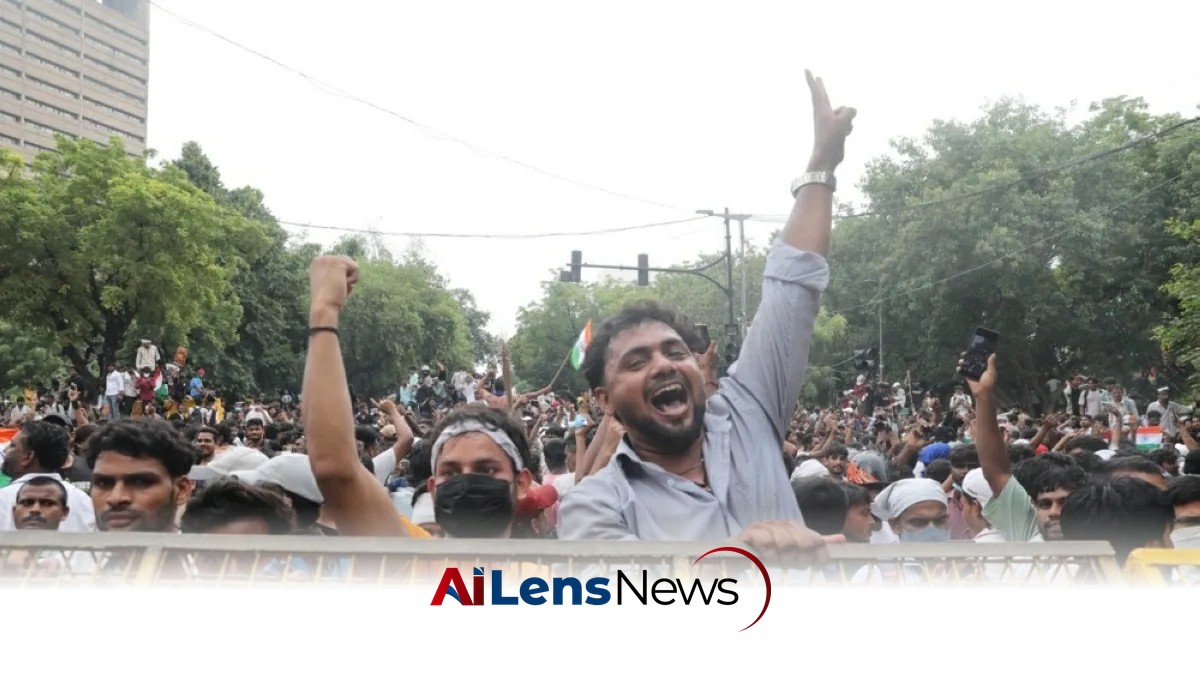


Dharmendra Pradhan's resignation follows weeks of protests regarding alleged exam paper leaks, marking a significant victory for the youth-led 'Cockroach' movement.
Riyadh, Saudi Arabia Jul 26, 2026 ALN: India's education minister resigned Saturday after weeks of nationwide protests over alleged exam paper leaks, prompting organizers of the "Cockroach" movement to end demonstrations after saying the government had accepted all of their demands.
Education Minister Dharmendra Pradhan announced his resignation in a post on X, marking a significant victory for the youth-led movement that organized protests, sit-ins, and hunger strikes across the country. The movement, which drew its name from the resilient insect, symbolized the determination of the youth to fight against perceived injustices in the education system.
The resignation represents one of the most notable concessions made by Prime Minister Narendra Modi's government in response to sustained public pressure during his more than 12 years in office. The last major reversal came in 2021, when the government withdrew controversial farm laws after yearlong farmers' protests. Such concessions highlight the increasing influence of grassroots movements in Indian politics, particularly among the youth demographic.
The "Cockroach" movement began more than a month ago following allegations of question paper leaks in some of India's largest entrance examinations, including those for prestigious engineering and medical colleges. These leaks raised serious questions about the integrity of the examination process, which is crucial for millions of students seeking higher education in a highly competitive environment. What started as a campaign for education reform soon expanded into broader protests over unemployment, government accountability, and economic opportunities, drawing students, professionals, families, and activists into demonstrations across New Delhi and other cities.
Following Pradhan's resignation, organizers announced they were ending the protests after saying the government had agreed to their remaining demands, including broader reforms to the education system, compensation for families of students who died by suicide following the exam leak scandals, and assurances that no legal action would be taken against participants in the demonstrations. The issue of student suicides is particularly poignant, as it underscores the immense pressure students face in a society that places a high value on academic success.
"We urge everyone to peacefully withdraw from protest sites," Ashutosh Ranka, spokesperson for the Cockroach Janta Party, which launched the movement, said at a news conference in New Delhi. This call for peaceful withdrawal reflects a strategic decision by the organizers to maintain the moral high ground and avoid further escalation of tensions with law enforcement.
Thousands of protesters gathered at the movement's main protest site in the capital celebrated the announcement, waving Indian flags and embracing one another. The scenes of celebration were a stark contrast to the earlier days of the protests, which were often met with heavy police presence and crackdowns. The demonstrations became one of the most sustained challenges to Modi's government in recent years. Earlier this week, police used tear gas and batons to disperse protesters marching toward Parliament, leaving several students injured and intensifying public anger.
Before Pradhan's resignation, the government had announced plans to establish fast-track courts for cases involving exam paper leaks and introduce tougher anti-cheating legislation. However, protest leaders argued that these measures fell short because they did not address government accountability. Many activists and students expressed skepticism about the government's commitment to genuine reform, fearing that legislative changes would merely serve as a public relations strategy rather than a substantive overhaul of the education system.
The implications of this resignation extend beyond the immediate context of the protests. It raises questions about the Modi government's ability to manage dissent and respond to public grievances, particularly in an era where social media and grassroots movements have empowered citizens to mobilize quickly and effectively. The education system in India, long criticized for its rigidity and lack of transparency, now faces increased scrutiny and calls for reform from various stakeholders.
Moreover, the protests reflect a growing discontent among the youth regarding employment opportunities and the perceived disconnect between government policies and the realities faced by students and young professionals. As India grapples with high unemployment rates, particularly among educated youth, the government's ability to provide viable solutions will be put to the test.
In the aftermath of the protests, the government may need to engage in a broader dialogue with students and educational institutions to rebuild trust and ensure that the reforms are not only implemented but also effectively address the underlying issues of corruption and inefficiency in the education sector. The success of the "Cockroach" movement could inspire similar movements across the country, as young people increasingly feel empowered to demand accountability and transparency from their leaders.
The context of these protests is rooted in a long history of systemic issues within India's education system, where access to quality education has often been seen as a privilege rather than a right. Allegations of corruption, favoritism, and mismanagement have plagued various educational institutions, leading to a growing sense of disenfranchisement among students. The recent exam paper leaks serve as a stark reminder of these issues, igniting widespread outrage and calls for reform.
Furthermore, the protests have highlighted the role of social media in contemporary activism. The rapid dissemination of information through platforms like X has allowed organizers to mobilize support quickly, share updates, and galvanize public sentiment. This digital landscape has transformed the way movements operate, enabling them to reach a wider audience and apply pressure on the government in real-time.
As the situation continues to evolve, it is clear that the resignation of Education Minister Dharmendra Pradhan marks a pivotal moment in Indian politics, one that could redefine the relationship between the government and its youth. The outcome of this movement may set a precedent for future protests and the government's responsiveness to citizen demands, shaping the political landscape in the years to come. The need for accountability and transparency in governance is more pronounced than ever, and the youth's demand for a fair and just education system is likely to resonate in future political discourses.
In conclusion, the resignation of the education minister amid the "Cockroach" movement underscores a significant shift in the political dynamics of India, particularly in relation to youth activism. The implications of this movement extend beyond education reform, touching upon broader themes of governance, accountability, and the role of young people in shaping the future of the nation. The government faces a critical juncture where it must address the concerns raised by the protests, not only to quell dissent but to foster a more inclusive and equitable society for all citizens.
To learn more about the latest developments in Politics, stay updated with our exclusive reports and analyses on AiLensNews.

