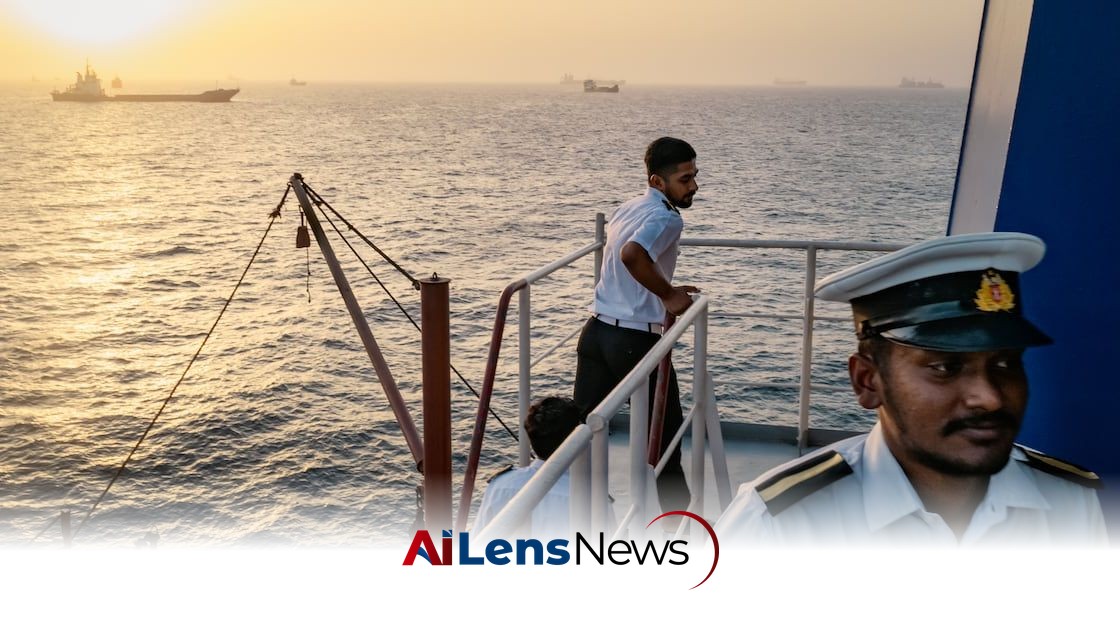


In response to escalating violence in the Strait of Hormuz, India has barred its seafarers from working in the region, following recent attacks that resulted in fatalities.
Riyadh, Saudi Arabia Jul 16, 2026 ALN: India has taken decisive action by barring its seafarers from working aboard ships traveling through the Strait of Hormuz amid growing safety concerns due to the ongoing US-Iran conflict. This decision underscores the Indian government's commitment to ensuring the safety of its maritime personnel in a region that has become increasingly volatile due to geopolitical tensions.
The Indian government has issued an order directing shipowners, ship managers, and recruitment agencies to refrain from placing Indian citizens on voyages through this critical waterway until further notice. The Strait of Hormuz is one of the world's most strategically important maritime chokepoints, through which approximately 20% of the world's oil supply passes. The area has been the focal point of tensions between Iran and the United States, particularly following the US's withdrawal from the Iran nuclear deal in 2018 and the subsequent escalation of military and economic confrontations.
According to government data, India is the world's third-largest supplier of seafarers, with over 300,000 sailors employed across global shipping fleets. This significant number highlights India's integral role in international maritime operations and the potential impact of conflicts on its economy and workforce. The decision to prohibit Indian seafarers from navigating the Strait of Hormuz reflects not only a response to immediate threats but also a broader strategy to safeguard the livelihoods of thousands of families dependent on maritime employment.
“No deployment of Indian seafarers on vessels undertaking voyages involving passage through the Strait of Hormuz until further orders,” the Directorate General of Shipping stated in an order issued late on Wednesday. This directive has immediate implications for shipping operations in the region, as many vessels typically transit through the Strait for trade and transportation of goods, particularly oil. The ban may lead to delays in shipping schedules and increased costs for shipping companies, as they navigate around the Strait or seek alternative routes.
Tragically, two Indian seafarers have lost their lives in recent attacks on vessels in the region, prompting heightened concerns for the safety of maritime personnel. The fatalities and injuries sustained by Indian sailors have drawn national attention and raised questions about the adequacy of safety measures in place for those working in high-risk areas. The loss of life serves as a stark reminder of the dangers faced by seafarers, who often work in precarious conditions far from home.
In addition to the fatalities, nine Indian sailors injured on two UAE tankers hit by Iranian missile strikes are currently receiving treatment in the Emirates. Three of these individuals are reported to be in critical condition, while the others are being treated for minor to moderate injuries in hospitals across the Northern Emirates. The injuries sustained during the missile strikes highlight the immediate physical risks faced by seafarers in the region, as well as the psychological toll that such incidents can have on maritime personnel.
The injured sailors are receiving care in three hospitals located in Dibba, Khorfakkan, and Fujairah. The Indian consulate has been proactive in providing assistance, maintaining communication with hospitals, shipping companies, UAE authorities, and the families of those injured. This level of support is vital in ensuring that the affected sailors receive the necessary medical attention and that their families are kept informed during a traumatic time.
On July 14, one Indian sailor was killed, and a total of 45 seafarers—both Indian and Ukrainian—were rescued from the UAE tankers Al Bahyah and Mombasa after fires erupted on board following the Iranian strikes. The incident serves as a critical case study in the risks of maritime operations in conflict zones, prompting discussions about the need for enhanced security measures and protocols for vessels operating in such high-risk areas. Officials from the Indian consulate in Dubai have visited the rescued sailors to provide support and check on their well-being, demonstrating the government's commitment to the welfare of its citizens abroad.
One Indian sailor from the Bahyah crude vessel was killed when Iran targeted the two UAE supertankers with cruise missiles in the southern part of the strait. There were 30 Indian seafarers on duty across the two vessels during the attacks. The targeting of commercial vessels raises significant concerns about the safety of international shipping lanes and the implications for global trade. The situation has prompted calls for increased international cooperation to ensure the safety of maritime operations and to deter further acts of aggression in the region.
India has expressed deep concern regarding the strikes on both vessels, emphasizing the need for safety in international waters. “We strongly condemn these attacks and acts of violence targeting seafarers and disrupting free and safe navigation through international waterways like the Strait of Hormuz,” stated the Indian External Affairs Ministry in a post on X. This condemnation reflects India's broader foreign policy stance, which advocates for peaceful resolutions to conflicts and the protection of its nationals abroad.
In light of the escalating tensions, India has called for an end to violence and expressed worry about “the resumption of attacks and escalation of hostilities.” The ministry urged for a halt to attacks on commercial shipping in the region and called for the restoration of freedom of navigation. The call for de-escalation is particularly important given the potential for further conflict to disrupt not only regional stability but also global oil markets and trade routes.
The implications of these developments extend beyond immediate safety concerns for Indian seafarers. The prohibition of Indian sailors from navigating the Strait of Hormuz may impact India's maritime economy and its relationships with shipping companies and countries reliant on Indian labor for their fleets. Furthermore, the situation underscores the need for international dialogue and cooperation to address the underlying tensions in the region, as well as the necessity for robust security measures to protect maritime personnel operating in conflict-prone areas.
As the situation continues to evolve, it will be crucial for the Indian government to monitor developments closely and to engage with international partners to advocate for the safety of its citizens at sea. The ongoing conflict in the region serves as a reminder of the complexities of global maritime operations and the vulnerabilities faced by seafarers in an increasingly uncertain world.
To learn more about the latest developments in World News & International Affairs, stay updated with our exclusive reports and analyses on AiLensNews.

