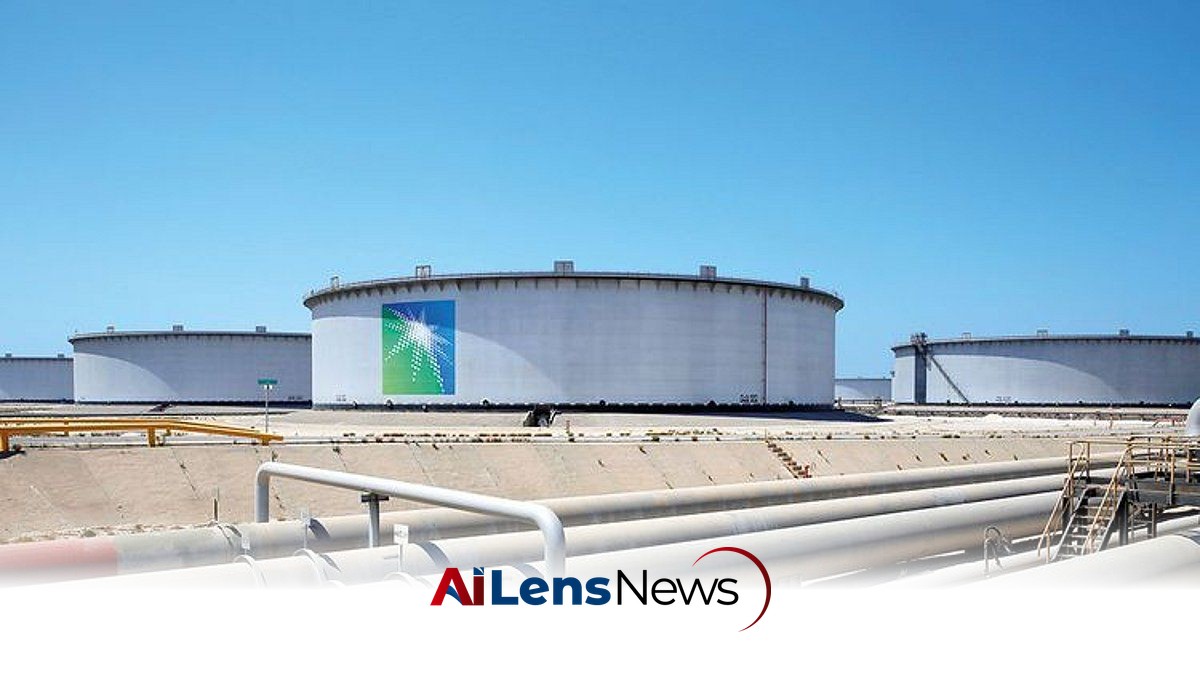


Oil-producing countries in the Gulf are fast-tracking alternative export routes due to disruptions in the Strait of Hormuz, with several pipeline projects underway.
Riyadh, Saudi Arabia Aug 1, 2026 ALN: Disruption to shipping through the Strait of Hormuz has prompted oil-producing countries in the Gulf to accelerate plans for alternative export routes, with a series of pipeline projects announced or revived. The Strait of Hormuz is a strategically critical waterway, as it serves as the transit point for a significant portion of the world's oil supply. This situation has become increasingly precarious due to geopolitical tensions, particularly involving Iran and its regional adversaries, leading to a heightened need for alternative routes.
Here is a breakdown of the proposals aimed at mitigating the risks associated with reliance on the Strait of Hormuz.
A total of 14.95 million barrels per day (mbd) of crude oil was exported through the Strait of Hormuz in 2025, according to the International Energy Agency (IEA). This figure underscores the significance of the strait in the global oil supply chain. Iran, which exported around 1.69 mbd, is expected to continue relying on Hormuz over the long term given its effective control of the waterway. Andrew Wilson of BRS Shipbrokers indicated that Iran would likely maximize its oil production and exports to China, which has been a key destination for Iranian oil amid sanctions.
Of the remaining 13.26 mbd exported through the strait, as much as 11.5 mbd could eventually be rerouted by maximizing existing pipeline capacity and completing planned projects. This shift reflects a broader strategy among Gulf nations to diversify their export routes and reduce vulnerability to disruptions caused by geopolitical tensions or military confrontations.
Before the war broke out in late February, Saudi Arabia transported around 2 mbd of crude through its East-West Pipeline, which links Abqaiq, near the Gulf coast, with the Red Sea port of Yanbu. This pipeline is crucial for Saudi Arabia's oil export strategy, allowing it to bypass the Strait of Hormuz completely. State oil giant Aramco announced in March 2025 that it had increased the pipeline's capacity to 7 mbd, resulting in up to 5 mbd of spare capacity. This increase is significant in the context of rising global oil demand and the need for stable supply routes.
Riyadh is also planning a further expansion of up to 2 mbd, according to the US-based Institute for Energy Research (IER). However, the IER noted that it is "unclear" whether this expansion would involve upgrades to the existing line or the construction of a parallel pipeline. The completion of this project could potentially be achieved by 2030 or 2031, as indicated by Wilson. This timeline reflects the complexities involved in large-scale infrastructure projects, which often face technical, financial, and regulatory challenges.
Before the conflict, the UAE exported around 1.1 mbd of crude through its Abu Dhabi Crude Oil Pipeline (ADCOP), which links inland oil fields with the port of Fujairah on the Gulf of Oman, effectively bypassing the Strait of Hormuz. The IEA reported that the pipeline has a capacity of 1.8 mbd, leaving an additional 0.7 mbd available for export. In May, the UAE announced that it was fast-tracking the construction of a second pipeline that would run parallel to the existing route and extend to the country's northern coast, allowing crude produced north of Hormuz to bypass the strait entirely.
This new project is expected to double export capacity through Fujairah and is anticipated to enter service next year, according to the Abu Dhabi Media Office. This development is a strategic move for the UAE, as it not only increases export capacity but also enhances the country's resilience against potential disruptions in Hormuz.
The US State Department reported earlier in July that plans were underway to restore a major pipeline linking Iraq's oil fields with Syria's Mediterranean coast. This project is significant as it could enhance Iraq's oil export capabilities and reduce its reliance on the Strait of Hormuz. Washington is overseeing an international consortium tasked with executing the technical and financial aspects of this project, which is expected to have an initial capacity of 2 mbd. However, no specific timetable has been announced, and Wilson cautioned that political and investment hurdles could delay the project. The restoration of this pipeline could be pivotal for Iraq, which has faced challenges in its oil sector due to political instability and security concerns.
Neither Kuwait nor Bahrain currently has a pipeline route that bypasses Hormuz. However, both nations have recently engaged in discussions with Saudi Arabia regarding a possible connection to its pipeline network. This potential collaboration reflects a growing recognition among Gulf nations of the need for collective security and economic strategies in the face of shared vulnerabilities. The establishment of a pipeline connection could significantly enhance Kuwait and Bahrain's oil export capabilities, allowing them to diversify their routes and mitigate risks associated with the Strait of Hormuz.
The urgency for alternative export routes has been underscored by the volatile geopolitical landscape in the region, which has seen rising tensions between Iran and its neighbors, as well as with Western powers. The Strait of Hormuz has been the focal point of numerous military confrontations and threats, including incidents involving naval forces and the seizure of oil tankers. As a result, Gulf nations are increasingly aware of the necessity to bolster their energy security and ensure uninterrupted oil supplies to global markets.
The implications of these developments extend beyond the immediate concerns of oil exports. A successful diversification of export routes could have profound effects on global oil prices, energy security for importing nations, and the geopolitical dynamics of the Gulf region. Moreover, infrastructure investments in alternative pipelines could stimulate economic growth in the Gulf states, creating jobs and fostering regional cooperation.
As the situation evolves, the international community will be closely monitoring these developments, as they may influence energy policies, market dynamics, and diplomatic relations in the region. The shift towards alternative export routes represents a significant strategic pivot for Gulf nations, one that could reshape the landscape of global oil trade in the years to come.
To learn more about the latest developments in Economy, stay updated with our exclusive reports and analyses on AiLensNews.

