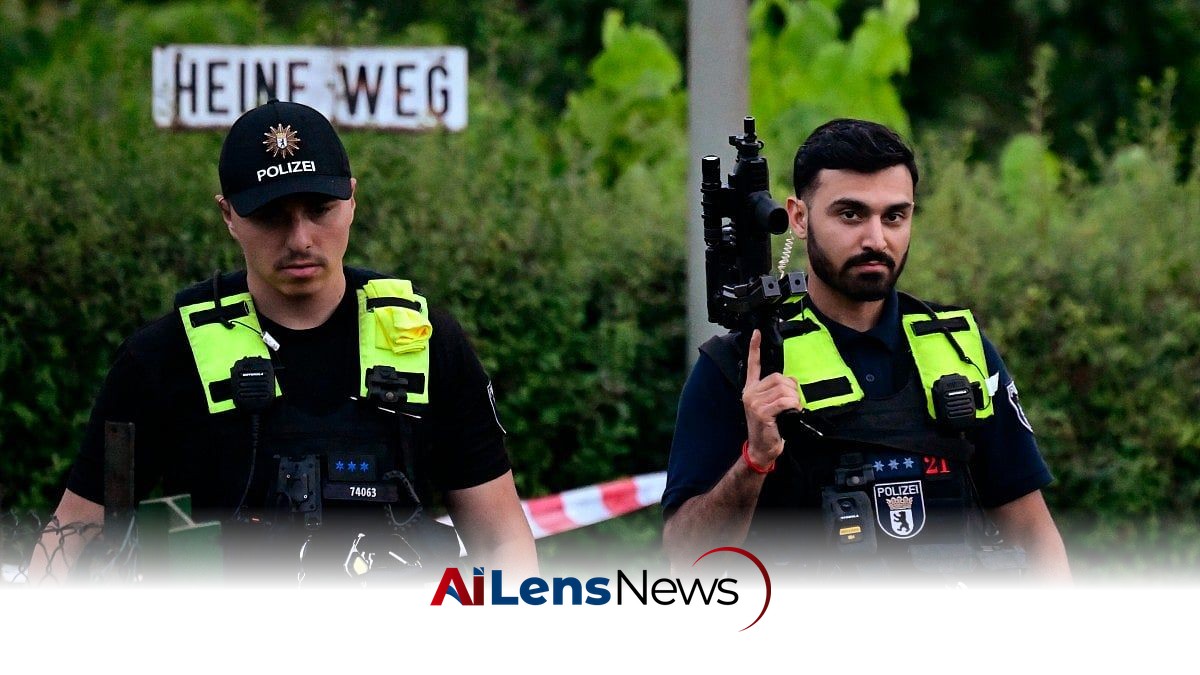


Following a tragic incident where a car drove into a crowd at Berlin Pride, German leader Merz vows to ensure justice for the victims.
Riyadh, Saudi Arabia Jul 27, 2026 ALN: In a shocking incident that has left the LGBTQ+ community and the nation in mourning, a car rammed into a crowd during the Berlin Pride celebrations, resulting in one fatality and injuring eight others. The attack, described as a horrific act, has drawn widespread condemnation from political leaders across Germany. This tragic event has not only shaken the foundations of a celebration dedicated to love and acceptance but has also raised critical questions about safety and the ongoing struggle against hate crimes targeting marginalized communities.
The Berlin Pride event, known as Christopher Street Day, is an annual celebration that commemorates the 1969 Stonewall Riots in New York City, which were pivotal in the fight for LGBTQ+ rights. The Stonewall Riots marked a turning point in the LGBTQ+ rights movement, leading to increased visibility and activism across the globe. Berlin Pride has grown into a significant cultural event, attracting hundreds of thousands of participants and spectators each year. The event typically features a parade, parties, and various activities aimed at promoting love, acceptance, and equality. Berlin, a city celebrated for its vibrant LGBTQ+ culture, has long been a beacon of hope and progress for the community, making this attack particularly devastating and disheartening.
German politician Friedrich Merz, leader of the Christian Democratic Union (CDU), expressed his outrage over the incident, emphasizing the need for swift justice. "This is a horrific act that cannot be tolerated in our society. We must ensure that those responsible are held accountable," he stated in a press conference following the attack. Merz’s condemnation reflects a broader political consensus in Germany regarding the need to protect marginalized communities and to respond decisively to acts of violence motivated by hate. His remarks highlight the importance of political leadership in times of crisis, particularly in advocating for the rights and safety of vulnerable populations.
The attack occurred in the heart of Berlin, where thousands had gathered to celebrate love and acceptance. Witnesses reported scenes of chaos as the vehicle sped into the crowd, leading to panic and confusion among the attendees. Emergency services quickly arrived on the scene, providing aid to the injured and securing the area, while the police initiated a thorough investigation into the incident. The rapid response of emergency services underscores the importance of preparedness in handling such crises, yet the attack itself raises alarming questions about the security measures in place at large public gatherings.
Authorities have launched an investigation into the incident, with police working to determine the motive behind the attack. Initial reports suggest that the driver may have acted intentionally, raising concerns about the safety of public gatherings, especially those celebrating marginalized communities. The investigation is expected to examine various angles, including the potential for hate crime motivations, mental health issues, and the broader societal context that may have contributed to this violent act. The complexity of the investigation reflects the multifaceted nature of hate crimes, which often involve underlying societal prejudices that must be addressed to prevent future incidents.
As the investigation unfolds, many are calling for increased security measures at future events to protect participants and ensure that such acts of violence do not occur again. This incident has prompted discussions about the adequacy of current security protocols at large public gatherings, especially those that focus on LGBTQ+ rights. Merz's commitment to justice has resonated with many, as the nation grapples with the implications of this tragic event. Political leaders from various parties have echoed the need for a thorough investigation and have called for legislative measures to enhance protections for LGBTQ+ individuals. These discussions are critical as they could lead to significant policy changes aimed at improving public safety and fostering a more inclusive society.
In the wake of the attack, community leaders and activists have urged for solidarity and support for the victims and their families. Many organizations within the LGBTQ+ community are mobilizing to provide assistance and counseling to those affected by the tragedy. The Berlin Pride event, which celebrates diversity and inclusivity, has now become a somber reminder of the challenges faced by the LGBTQ+ community in the fight for acceptance and safety. Activists are emphasizing the need for continued advocacy for LGBTQ+ rights, urging the public to remain vigilant against hate and violence. The response from the community highlights the resilience and solidarity that often emerge in the face of adversity, showcasing the strength of the LGBTQ+ movement in Germany and beyond.
The incident has sparked discussions about the rising incidents of hate crimes in Germany and the need for stronger protections for vulnerable communities. In recent years, Germany has seen a troubling increase in hate crimes, particularly those targeting LGBTQ+ individuals and other marginalized groups. This trend has raised alarms among human rights organizations, prompting calls for the government to take more decisive action to combat discrimination and violence. As the nation mourns, the call for justice and accountability remains at the forefront of public discourse, with many advocating for comprehensive policies to address these issues at their roots. The connection between rising hate crimes and the political climate in Germany is a critical aspect of this conversation, as it underscores the need for a unified response from all sectors of society.
In conclusion, the attack at Berlin Pride serves as a stark reminder of the ongoing struggles against hate and violence. Leaders like Merz are stepping up to ensure that justice is served, but the road to safety and acceptance for all remains a challenging journey. The aftermath of this attack will likely lead to renewed discussions on how to foster a more inclusive society and protect the rights and safety of all individuals, regardless of their sexual orientation or gender identity. As Germany reflects on this tragic event, the resilience of the LGBTQ+ community continues to shine through, as they advocate for a future where love and acceptance prevail over hate and violence. The commitment to justice and the push for systemic change are essential components in the ongoing fight for equality, ensuring that the lessons learned from this tragedy are not forgotten but instead serve as a catalyst for positive change in society.
To learn more about the latest developments in Crime & Law, stay updated with our exclusive reports and analyses on AiLensNews.

