

France has become the first EU country to implement a social media ban for children under 15, aiming to safeguard their mental health amid growing concerns about social media's impact.
Riyadh, Saudi Arabia Jul 25, 2026 ALN: Lack of sleep, loss of focus, and exposure to harmful content: concerns over social media's effect on children are growing worldwide, and Europe is moving to act. This week, France became the first European Union country to enshrine in law a social media ban for under-15s, to come into force on September 1. This legislative move is part of a broader effort to address the potential mental health crises facing young people in the digital age, where social media has become an integral part of daily life.
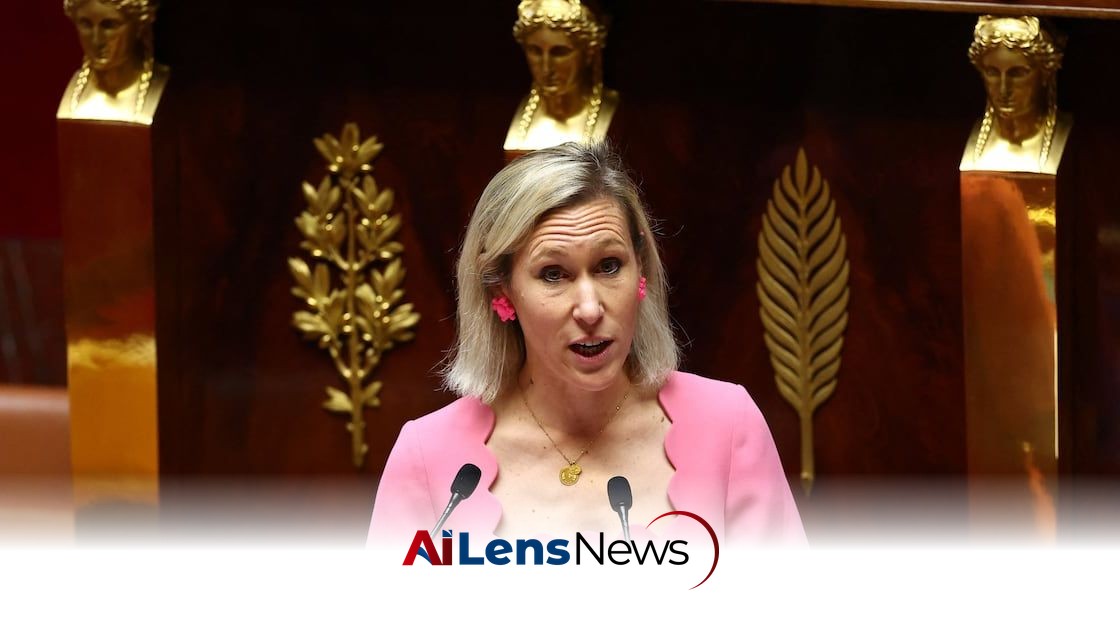
Speaking to The National, Laure Miller, an MP from French President Emmanuel Macron's centrist political group, who introduced the bill, said she was proud of the stance that protecting children's mental health is more important than profit. The law aims to create a safer online environment for minors, reflecting growing concerns among parents, educators, and health professionals regarding the implications of unrestricted social media access.
“This law is pressuring social media platforms and telling them: 'you don't have total impunity,'” Ms. Miller said. Mr. Macron has compared social media to a “jungle” that “no sane parent would send their children to.” This analogy underscores the perceived dangers that children face in the unregulated online landscape, from cyberbullying to exposure to inappropriate content and addictive behaviors.
A domino effect is expected across the EU's 27 nations, as the European Commission prepares to submit a proposal in September, likely making 13 the minimum age threshold to access social media. Greece and Portugal are among the nations expected to follow France's lead, indicating a potential shift in how European countries regulate digital platforms aimed at children and adolescents. The UAE was the first Arab state to implement a ban last month, highlighting a growing global trend towards stricter regulations on social media usage among younger demographics.
France's ban is notably different from those adopted in other western countries. EU members cannot create their own lists of banned platforms – that privilege belongs to the bloc's executive arm, the European Commission. This regulation aims to maintain a level playing field across member states and ensure that no single country can impose more stringent regulations that could disadvantage certain platforms or services.
As a result, France has introduced a blanket ban covering all social media in a measure stricter than in Australia, which last year became the world's first country to implement a ban, restricting access for under-16s to 10 platforms including Facebook and TikTok. The UK is also bringing in a platform-specific ban, which may lead to inconsistencies in how social media regulations are enforced across different jurisdictions. The approach taken by France, however, is more comprehensive, aiming to eliminate the potential for children to simply switch to alternative platforms that may not be included in a more selective ban.
“Our mission is not to become vassals of the Americans, but rather to hold strong positions and values,” Laure Miller, French MP.
Australians implemented a list of banned sites, so young people naturally turned to other platforms to bypass the blacklist,” Ms. Miller said. “Australians also opted for an age-estimation system, which placed less of a burden on the platforms. In contrast, we rely on age verification, meaning that tactics like using an AI-altered photo for a selfie simply won't work.” This highlights the challenges that lawmakers face in crafting effective legislation that can adapt to the rapidly evolving digital landscape.
Because it requires age verification, the social media bans have caused a backlash among conservative commentators, who equate the prohibition with state surveillance. Discussing the UK law, X owner and tech billionaire Elon Musk said last month: “This censorship law is a wolf in sheep’s clothing. The real goal is to enable the UK government to track everyone.” Such criticisms reflect a broader concern about privacy and the potential for government overreach in the digital age, where data collection practices are under increasing scrutiny.
Yet in the EU, the age verification platform will not be storing data or handing over personal information to the social media site – it is designed simply to inform whether the user is 15 or older. This distinction is crucial in addressing concerns about privacy and data security. Ms. Miller rejected the criticism, saying: “When you hear voices saying our EU age verification app is carried out for mass surveillance purposes, this is complete nonsense.” This assertion seeks to reassure the public that the measures being implemented are focused on child protection rather than invasive monitoring.
“Platforms already have all our data to start with and that data is not stored nor hosted in Europe. They know everything about us ... That is why we have embedded a zero knowledge proof in the age verification app.” This technical approach aims to balance the need for effective age verification with the imperative to protect user privacy, a critical issue in an era where data breaches and privacy violations are increasingly common.
The implications of France's legislative action extend beyond its borders. By taking a firm stance on the regulation of social media for minors, France is setting a precedent that may influence how other nations approach similar issues. The growing body of research linking social media use to mental health challenges, including anxiety, depression, and sleep disturbances among youth, has prompted calls for more proactive measures to safeguard children's well-being.
Moreover, the move reflects a broader societal recognition of the need to prioritize child welfare in the digital age. As children increasingly engage with technology at younger ages, the responsibility of governments, educators, and parents to create safe online environments becomes paramount. This legislative action may inspire further discussions about the role of technology companies in protecting their youngest users and the ethical implications of profit-driven models that prioritize engagement over safety.
In conclusion, France's decision to enact a social media ban for children under 15 marks a significant step in addressing the challenges posed by digital platforms in the lives of young people. As the European Union considers similar policies, the outcome of these discussions will likely have lasting effects on the landscape of social media regulation and child protection efforts across the continent and beyond. The balance between innovation, user engagement, and child safety will remain a critical focus for policymakers moving forward.
To learn more about the latest developments in Health & Public Safety, stay updated with our exclusive reports and analyses on AiLensNews.

