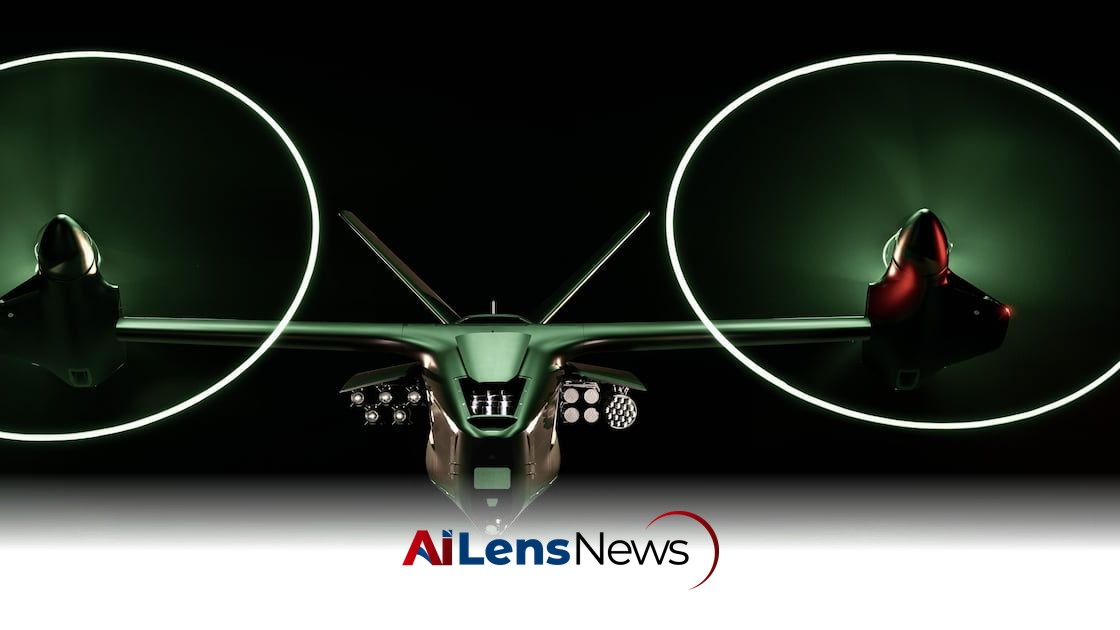


The integration of Thunder drones with Apache helicopters aims to bolster defenses against Iranian kamikaze drones, enhancing firepower and survivability.
Riyadh, Saudi Arabia Jul 23, 2026 ALN: The introduction of the Thunder drone alongside Apache attack helicopters marks a significant advancement in aerial combat capabilities, particularly in the context of rising tensions in the Gulf region and the evolving nature of modern warfare. As nations grapple with the increasing threat posed by unmanned aerial vehicles (UAVs), particularly those employed by adversaries like Iran, the integration of such drones into military operations represents a proactive approach to enhancing defense mechanisms.
The Thunder drone, developed by Anduril, a California-based defense technology company, was unveiled at the Farnborough International Airshow, a prominent event that showcases cutting-edge innovations in aerospace and defense. This drone is designed to operate either under the control of a human pilot in an Apache helicopter or autonomously, providing a versatile tool for military strategists. By functioning as a "loyal wingman," Thunder can significantly increase the safety of pilots in combat scenarios where traditional manned aircraft face heightened risks.
One of the primary threats that Thunder aims to counter is the use of one-way attack drones, such as Iran's Shahed-136. These drones have been utilized effectively in recent conflicts, demonstrating their capacity to evade traditional air defenses and deliver lethal payloads with precision. The Thunder drone is equipped to neutralize such threats, carrying an array of weapons that includes 10 Hellfire missiles and 72 Hydra rockets, which have been specifically adapted for drone interception. Additionally, the drone features a mini-squadron of 12 interceptor drones housed in its nose cone, capable of being deployed mid-flight to engage incoming threats.
The implications of this technology extend beyond mere firepower; they reflect a broader shift in military strategy driven by lessons learned from recent conflicts, particularly in Ukraine and the Middle East. In these regions, the proliferation of inexpensive UAVs and advanced air defense systems has necessitated a reevaluation of conventional warfare tactics. The Thunder drone embodies a response to these challenges, emphasizing the need for enhanced survivability and lethality in aerial combat.
As the battlefield evolves, the risks to manned aircraft have become increasingly pronounced. The ongoing conflict in Ukraine has highlighted the vulnerability of traditional attack helicopters, which are now frequently targeted by both ground-based air defenses and aerial threats. This shift underscores the urgency of developing new capabilities that can protect crewed aircraft while maintaining their operational effectiveness.
According to an Anduril spokesperson, the development of Thunder is a direct response to these evolving threats. "We need a new way of enhancing both the survivability and lethality of those crews," they stated, emphasizing that the design of Thunder has been influenced by the realities of modern combat environments where the surface has become increasingly lethal. This acknowledgment of the changing dynamics of warfare is crucial as military forces adapt to counteract the advantages held by adversaries employing advanced drone technologies.
Thunder's design as a tilt-rotor vertical take-off and landing (VTOL) aircraft allows it to combine the benefits of vertical lift with high-speed forward flight, achieving speeds of approximately 520 kilometers per hour and a range of 2,100 kilometers. This capability enables Thunder to be deployed from a considerable distance, allowing for strategic positioning before engaging in combat operations. Such operational flexibility is essential in contemporary warfare, where the ability to strike swiftly and effectively can determine the outcome of engagements.
Moreover, the integration of human pilots into the operational loop remains a critical component of Thunder's functionality. This ensures that pilots can make nuanced decisions regarding target prioritization and maintain communication with their Thunder wingman, even in situations where satellite communications may be compromised. This blend of human oversight and autonomous capabilities is indicative of a broader trend in military technology, where the aim is to leverage the strengths of both human decision-making and machine efficiency.
The introduction of Thunder could have significant implications for military operations in the Gulf region, particularly as tensions with Iran continue to escalate. The Iranian military has increasingly relied on drone technology, both for surveillance and offensive operations, which poses a direct challenge to the security of Gulf states. By enhancing the capabilities of Apache helicopters with Thunder drones, these nations can better defend against potential threats and assert their military readiness in the face of evolving challenges.
Furthermore, the development of such advanced drone systems may influence the strategic calculations of other regional players, potentially prompting an arms race in drone technology. Countries might seek to develop or acquire similar capabilities to counterbalance the enhanced firepower and operational flexibility offered by systems like Thunder. This could lead to increased military spending and a heightened focus on drone warfare, reshaping the strategic landscape in the region.
The growing reliance on drones in military operations reflects a broader trend seen in various theaters of conflict around the world. Drones have become a game-changer, enabling smaller nations or non-state actors to challenge larger military powers effectively. The integration of advanced drones like Thunder into existing military frameworks is likely to influence not only tactical approaches but also strategic partnerships and alliances.
In addition, the technological advancements represented by the Thunder drone highlight the importance of innovation in defense procurement and military readiness. As nations face increasingly sophisticated threats, investing in cutting-edge technologies becomes imperative. This drive for innovation can lead to collaborations between private defense contractors and government entities, fostering a more agile and responsive defense posture.
Moreover, the ethical implications of deploying autonomous systems in warfare cannot be overlooked. The use of drones, particularly those capable of operating with minimal human intervention, raises questions about accountability, decision-making in combat situations, and the potential for unintended consequences. As military forces increasingly rely on such technologies, establishing clear guidelines and frameworks to govern their use will be crucial to mitigate risks and ensure compliance with international humanitarian law.
In conclusion, the unveiling of the Thunder drone represents a pivotal moment in the evolution of military aviation and drone warfare. As nations confront the realities of modern combat, the integration of advanced technologies like Thunder into existing military frameworks will be crucial for maintaining operational superiority. The ability to counter threats posed by unmanned systems while enhancing the safety and effectiveness of human pilots will likely define the future of aerial combat, particularly in regions facing significant geopolitical tensions. The ongoing development of drone technology, alongside the strategic responses it elicits, will continue to shape the landscape of modern warfare for years to come.
To learn more about the latest developments in Defence & Armed Forces, stay updated with our exclusive reports and analyses on AiLensNews.

