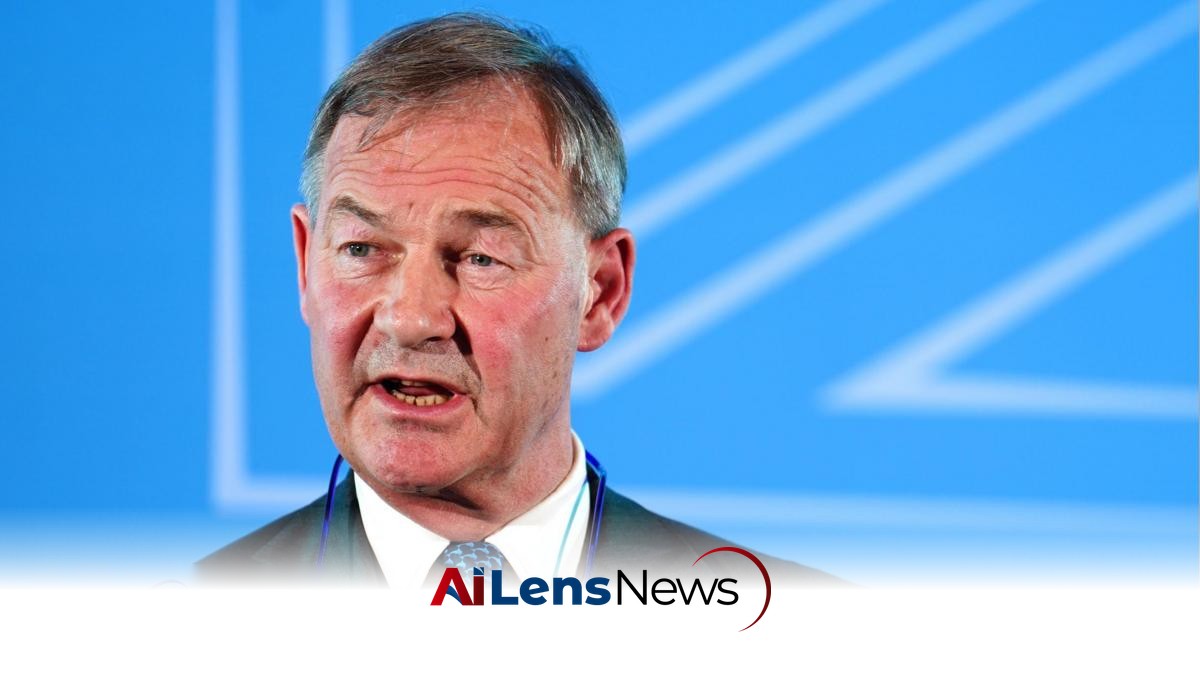


Rupert Lowe's remarks on the Dunblane school shooting have sparked outrage, with calls for an apology after he referred to the tragedy as 'one murder'.
New Delhi, India Jul 9, 2026 ALN: The leader of Restore Britain has been urged to apologise after describing the Dunblane school shooting as "one murder".
Rupert Lowe was criticising the UK's ban on handguns during an appearance on the Joe Rogan podcast. He stated that the ban was implemented after "there was a murder in Dunblane". This statement has sparked significant backlash from various quarters, particularly from those affected by the tragedy and political figures who believe that Lowe's comments trivialize a horrific event that profoundly impacted the nation.
Host Rogan clarified with Lowe that the ban was due to "one murder", to which the Restore UK leader agreed. This exchange has been interpreted by many as a gross simplification of a tragedy that involved the deaths of multiple innocent victims, including children. The 1996 mass shooting at Dunblane Primary School was not just a singular murder but a catastrophic event that claimed the lives of sixteen children and their teacher, Gwen Mayor, marking one of the worst gun atrocities in the UK.
A spokesperson for Restore Britain commented: "Rupert was clearly referring to one incident." However, this statement has not alleviated the concerns raised by critics who argue that reducing the tragedy to a single murder fails to acknowledge the scale of the loss and suffering experienced by the victims' families and the wider community.
Lowe, the MP for Great Yarmouth, mentioned that his father's pistols had been confiscated following the Dunblane shooting, asserting that society in the UK needed "radical change" and to "release the individual". His comments reflect a broader libertarian philosophy that advocates for individual rights and freedoms, particularly concerning gun ownership. However, many argue that this perspective overlooks the societal responsibilities and the need for regulations that prioritize public safety, especially in light of past tragedies.
Kenny Ross, whose daughter Joanna was among the pupils killed, expressed his disappointment to BBC Scotland, stating he was not surprised by the "ignorance of some people" regarding the shooting. He emphasized the devastation caused by the tragedy, saying, "They don't realize how devastating it was. But now we have a safer society because there is no longer private gun ownership." Ross's remarks highlight the ongoing pain felt by families affected by the shooting and the importance of remembering the event accurately to honor the memory of the victims.
Ross added, "Thirty years have passed and people forget what we had to go through. I wouldn't want anyone else to go through that. It's people like him that are very ignorant and selfish." His comments underscore the need for a collective remembrance of the events of Dunblane, as well as the importance of maintaining strict gun control laws to prevent similar tragedies from occurring in the future.
Conservative MSP Stephen Kerr condemned Lowe's comments as "astonishingly insensitive and profoundly disrespectful to the victims". He stated, "To describe Dunblane as 'one murder' is not simply inaccurate – it diminishes one of the darkest days in Scotland's modern history." Kerr criticized the "casual" and "ignorant" manner in which Lowe spoke about the mass murder, asserting, "That tragedy changed Scotland forever. To speak so casually about an event that still causes such profound pain is both callous and indefensible." This sentiment is echoed by many who believe that Lowe's remarks reflect a broader societal issue regarding the understanding of gun violence and its implications.
On 13 March 1996, gunman Thomas Hamilton entered the gym hall of Dunblane Primary School and murdered the 16 children and their teacher Gwen Mayor. He was armed with four legally-owned handguns and 743 rounds of ammunition. The attack lasted less than four minutes before Hamilton turned the gun on himself. The rapidity and brutality of the assault shocked the nation and led to an urgent public outcry for stricter gun control measures.
The Snowdrop Campaign, founded by the grieving families, led to the UK enforcing some of the strictest firearms laws in the world. This movement was instrumental in bringing about significant legislative changes that banned the private ownership of handguns in the UK. The legacy of the Snowdrop Campaign is a testament to the resilience of the victims' families and their determination to prevent such a tragedy from happening again. The campaign not only changed laws but also raised awareness about the impact of gun violence on communities.
Local MSP Keith Brown described Lowe's comments on the tragedy as "beyond despicable" and stated that the MP was "a stain on our politics". He remarked, "Sixteen children and a teacher were shot dead while 15 more children were wounded. Despite these hideous remarks from Rupert Lowe, the Snowdrop Campaign that followed ensured a ban on the private ownership of most handguns. That is the proud legacy of the bereaved families and the local community." Brown's condemnation reflects a broader consensus among political leaders and community members that Lowe's comments are not only inappropriate but also undermine the hard-won progress made in gun control legislation since the Dunblane shooting.
Lowe founded the political party Restore Britain as a "political movement" after being suspended from Reform UK in March last year due to allegations of making threats of physical violence against then party chairman Zia Yusuf. The Crown Prosecution Service later stated there was insufficient evidence for a "realistic prospect of conviction". This background adds another layer of complexity to Lowe's comments, as it raises questions about his political motivations and the implications of his statements for his party's image and credibility.
The controversy surrounding Lowe's remarks serves as a reminder of the ongoing debates surrounding gun control, individual rights, and the responsibilities of public figures to engage with sensitive topics with care and respect. As the UK continues to grapple with the legacy of gun violence and the measures taken to prevent future tragedies, it is crucial for political leaders to approach these discussions with the gravity they deserve, acknowledging the profound impact of events like the Dunblane shooting on society as a whole.
The reactions to Lowe's comments also reflect a broader societal need to remember and honor the victims of gun violence, ensuring that their are not lost to time and that their legacies continue to inform policy discussions and community actions. The importance of collective memory in shaping public discourse around gun violence cannot be overstated, as it serves to remind us of the human cost of such tragedies and the imperative to work towards a safer society for all.
To learn more about the latest developments in Crime & Law, stay updated with our exclusive reports and analyses on AiLensNews.

