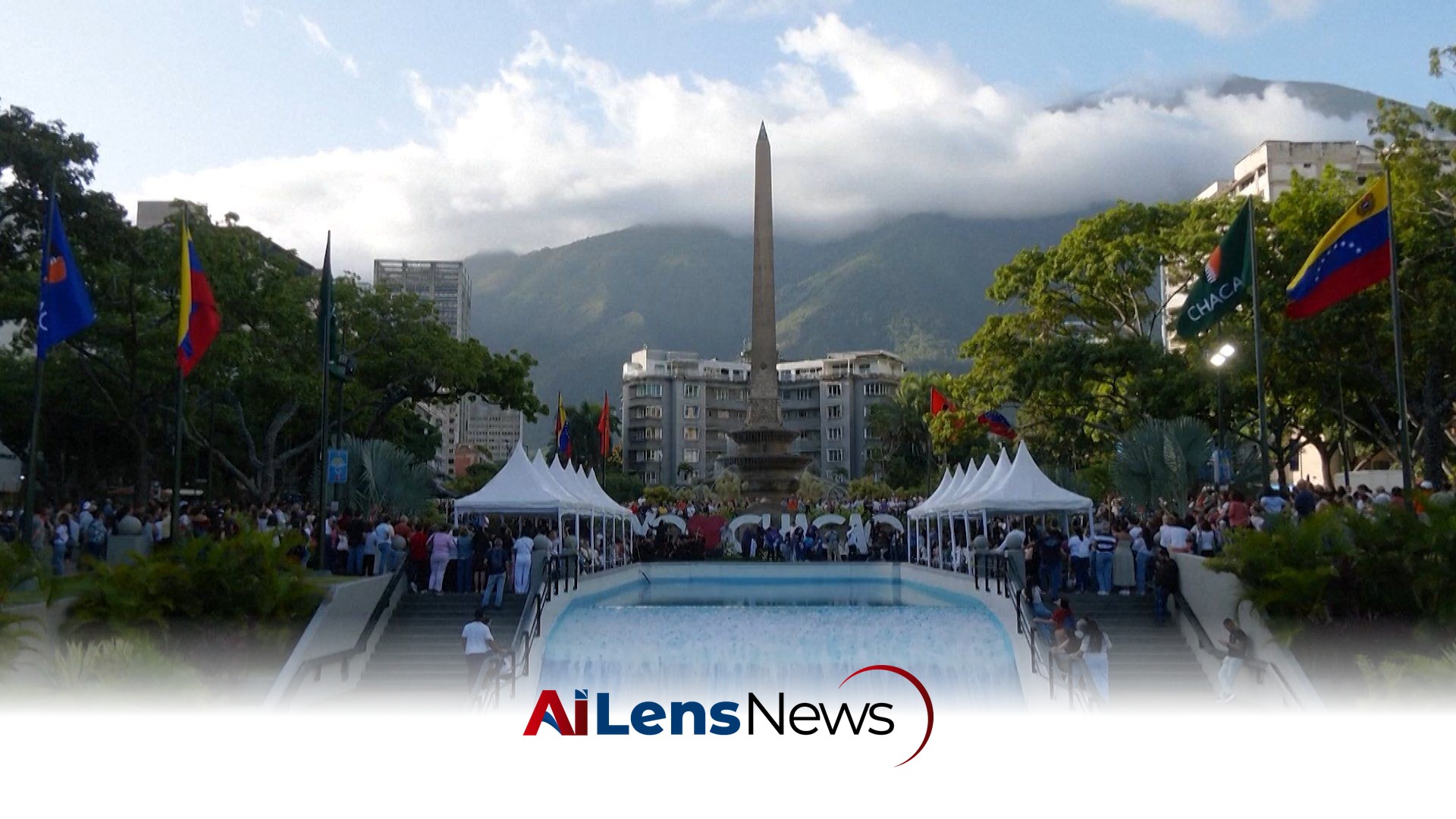


Families in Venezuela continue to search for missing loved ones one month after devastating earthquakes, as memorial services honor over 5,500 deceased.
Doha, Qatar Jul 25, 2026 ALN: One month after the catastrophic earthquakes that struck Venezuela, families are still tirelessly searching through the rubble of collapsed buildings for their missing loved ones. Memorial services have been held to honor the more than 5,500 individuals who lost their lives in the disaster, yet thousands more remain unaccounted for. The magnitude of the tragedy has left an indelible mark on the nation, as communities grapple with the emotional and physical aftermath of the devastation.
The earthquakes, which hit in rapid succession, were among the deadliest in recent history for Venezuela. The tremors were felt across a wide area, causing widespread destruction in urban centers and rural communities alike. Buildings that once stood tall crumbled, and infrastructure was severely compromised, leading to a humanitarian crisis that has drawn attention both domestically and internationally.
The emotional toll on the survivors is profound, as they grapple with the loss of family members and friends while also facing the daunting task of recovery. Many are calling for increased international support and more robust recovery efforts to assist those affected. The psychological impact of such a disaster cannot be understated; survivors are not only mourning their loved ones but also dealing with the trauma of experiencing such a violent natural disaster. Mental health services are urgently needed to help individuals cope with grief, anxiety, and depression in the wake of the tragedy.
Local communities have come together to provide aid and support to one another, demonstrating a remarkable sense of solidarity in the face of adversity. Neighbors are sharing resources, organizing food drives, and offering shelter to those who have lost their homes. However, the need for additional resources is evident. Many survivors express frustration over the slow pace of recovery and the lack of sufficient assistance from authorities. Reports indicate that some aid has been delayed or mismanaged, leading to further discontent among the affected populations. The Venezuelan government faces immense pressure to coordinate an effective response, but the existing economic challenges complicate recovery efforts.
As the search for the missing continues, the resilience of the Venezuelan people shines through. They remain hopeful that their loved ones will be found and that they will receive the help they urgently need to rebuild their lives. The community spirit is palpable, with volunteers stepping up to assist in the search and recovery operations, even as they deal with their own losses.
The situation remains critical, and the international community is urged to respond with compassion and support for the ongoing recovery efforts in Venezuela. Humanitarian organizations are mobilizing to provide assistance, but the scale of the disaster requires a coordinated global response. Donations of food, medical supplies, and financial support are essential to aid recovery efforts. Additionally, international expertise in disaster recovery can help local authorities develop better strategies for rebuilding and resilience planning.
In the aftermath of the earthquakes, there are calls for a thorough investigation into the factors that contributed to the disaster's severity. Experts suggest that poor urban planning, inadequate building codes, and lack of disaster preparedness may have exacerbated the destruction. Understanding these issues is crucial not only for accountability but also for preventing similar tragedies in the future. The Venezuelan government, alongside international partners, may need to reevaluate its policies regarding urban development and disaster management.
Moreover, the earthquakes have highlighted the vulnerability of Venezuela's infrastructure to natural disasters, especially in a country already grappling with economic challenges and political instability. The need for sustainable development practices and improved emergency response systems is evident. As rebuilding efforts commence, there is an opportunity to integrate more resilient infrastructure that can withstand future seismic activities.
The international community's response will also be closely watched, as it reflects broader geopolitical dynamics. Venezuela has been the subject of international scrutiny due to its political situation, and how other nations choose to engage with the country during this crisis could have lasting implications for diplomatic relations. Humanitarian aid should transcend political boundaries and focus on the immediate needs of the Venezuelan people.
As the days go by, the memories of those lost in the earthquakes remain fresh in the minds of survivors. Each memorial service serves as a poignant reminder of the lives cut short and the families forever changed. The resilience of the Venezuelan people continues to be tested, but their determination to rebuild and honor the memory of their loved ones persists.
In conclusion, the one-month mark since the earthquakes serves as a sobering reminder of the fragility of life and the strength of community. The road to recovery will be long and fraught with challenges, but with adequate support and a commitment to resilience, there is hope for a brighter future for Venezuela. As the world watches, the call for unity, compassion, and action rings louder than ever, urging all to stand with Venezuela in its time of need.
Following the earthquakes, the Venezuelan government has been under scrutiny regarding its preparedness for such natural disasters. Experts have pointed out that the country has a history of inadequate infrastructure and urban planning, which may have contributed to the high casualty rates and extensive damage. Buildings in many areas were constructed without adhering to modern safety standards, leaving them vulnerable to seismic activity. This incident has reignited discussions about the need for stricter building codes and better urban planning practices to mitigate the risks associated with future earthquakes.
In addition to structural concerns, the earthquakes have exposed significant gaps in the country's emergency response systems. Many communities reported feeling unprepared for the scale of the disaster, lacking the necessary resources and training to respond effectively. The Venezuelan government, along with international aid organizations, is now faced with the urgent task of not only providing immediate relief but also developing a comprehensive disaster management strategy that includes preparedness, response, and recovery plans.
The implications of this disaster extend beyond immediate humanitarian needs. The economic impact on Venezuela, already struggling with a protracted crisis characterized by hyperinflation and shortages of basic goods, is profound. The destruction of homes, businesses, and infrastructure will likely exacerbate the economic challenges faced by the nation. Recovery efforts will require significant financial investment, which may be difficult to secure given the current economic landscape. This situation underscores the importance of international support and collaboration to facilitate recovery and rebuilding efforts.
Furthermore, the earthquakes have reignited discussions about the role of international organizations in providing aid to Venezuela. Historically, the country has faced political isolation and sanctions, which have complicated its ability to receive assistance. However, the urgency of the humanitarian crisis may prompt a reevaluation of these policies, as the global community recognizes the need to prioritize humanitarian aid over political considerations. The situation presents an opportunity for dialogue and cooperation, which could pave the way for improved relations and support for the Venezuelan people.
As the recovery process unfolds, there is a critical need to ensure that the voices of affected communities are heard in the decision-making processes. Engaging local populations in recovery efforts not only empowers them but also fosters a sense of ownership and accountability. Initiatives that prioritize community involvement and input will be essential in rebuilding trust and resilience in the aftermath of the disaster.
In summary, the one-month commemoration of the devastating earthquakes in Venezuela serves as a stark reminder of the challenges faced by the nation. The path to recovery is fraught with obstacles, but the resilience and solidarity of the Venezuelan people offer hope. As the international community rallies to support recovery efforts, it is crucial to address the underlying issues that contributed to the disaster's severity and to work towards building a more resilient future for Venezuela. The coming months will be critical in determining the trajectory of recovery and the long-term implications for the country's infrastructure, economy, and social fabric.
To learn more about the latest developments in Crime & Law, stay updated with our exclusive reports and analyses on AiLensNews.

