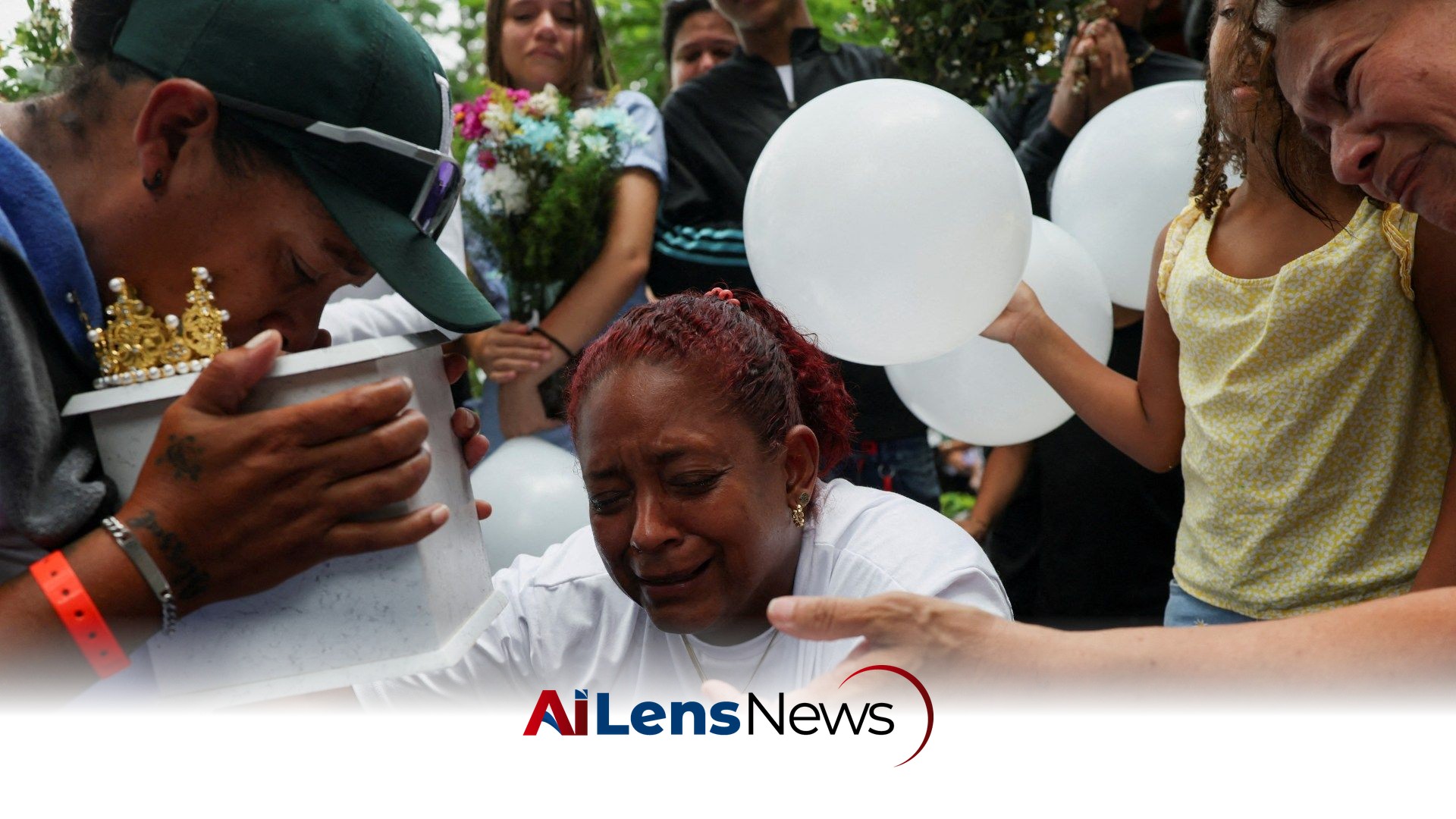


The death toll from the recent earthquakes in Venezuela has reached nearly 5,000, with many still missing. The UN estimates recovery efforts could cost $37 billion.
Doha, Qatar Jul 17, 2026 ALN: Almost 5,000 people are known to have died in two earthquakes that devastated Venezuela in June, but the United Nations estimates that as many as 50,000 people may still be missing – with many feared buried under rubble. The situation has become increasingly dire as families search for their loved ones in the aftermath of this natural disaster, which has left a profound impact on the nation and its infrastructure.
The number of confirmed deaths is now higher at 4,930, lawmaker Jorge Rodriguez announced on Thursday, highlighting the scale of the tragedy that has unfolded over the past month. The earthquakes struck with little warning, causing widespread destruction across various regions, particularly in the western part of the country, which is already grappling with a myriad of socio-economic challenges.
The disaster almost a month ago impacted tens of thousands of others. Nearly 17,000 people are wounded, and 21,120 are living in shelters. The earthquakes not only resulted in significant loss of life but also displaced countless individuals, forcing them to leave their homes and seek refuge in temporary shelters. These shelters, often overcrowded and lacking basic amenities, have become a focal point for humanitarian efforts as the government and various organizations work to provide support to those affected.
Venezuelan teams have been operating since the earthquake struck, but locals say their response has been slow. Many survivors have expressed frustration with the pace of the government’s relief efforts. “From the very first moment, from when the earthquake happened, there was an immediate response, but from civilians. Civilians and independent people. The state’s response is only being seen now,” Cinthia Pulido, a Venezuelan displaced by the earthquakes, told Al Jazeera. “We’re watching and waiting for some kind of answer.” This sentiment is echoed by many who feel that the state has not adequately addressed the immediate needs of those affected.
International rescue teams sent in the immediate aftermath of the disaster have left as the focus moves to providing humanitarian relief. The initial search and rescue efforts were crucial in locating survivors and providing immediate assistance, but as the days turned into weeks, the emphasis has shifted towards long-term recovery and rebuilding efforts. However, the lack of resources and logistical challenges have hindered these efforts, leaving many in a state of uncertainty.
“The little I can get is just for me to survive, support my children, and help my mum,” Louismarez Paez, who has also been displaced, told Al Jazeera. Her mother, she said, does not receive any assistance other than that which she herself provides. This highlights the immense burden placed on individuals who are already struggling to cope with the aftermath of the disaster while also caring for their families.
Venezuela has faced tight US sanctions since 2015, which experts say is making the government’s job even harder. The sanctions, aimed at pressuring the Venezuelan government over human rights abuses and corruption, have had a significant impact on the country’s economy and its ability to respond to crises. Many argue that these sanctions have exacerbated the humanitarian situation in Venezuela, limiting access to essential resources and funds needed for recovery efforts.
“Venezuela has crucial resources that it is not being allowed to access,” Mark Weisbrot, senior economist and co-director at the Center for Economic and Policy Research, said. The economic sanctions have blocked approximately $11 billion that Venezuela “should legally have,” according to Weisbrot. This financial blockade has severely limited the government's capacity to mobilize resources for recovery, leading to a situation where aid is insufficient to meet the overwhelming needs of the population.
Earlier this week, a group of 14 Democratic lawmakers in the US sent a letter urging the White House to ease economic sanctions on Venezuela to aid recovery efforts, according to a report from Spanish newspaper El Pais. The lawmakers emphasized that the sanctions are “severely hampering urgent relief efforts” and have “severely undermined the country’s response and reconstruction efforts.” This call for action highlights the ongoing debate surrounding the effectiveness of sanctions and their unintended consequences on the civilian population.
The UN estimates that the recovery efforts in Venezuela could cost the country $37 billion. This staggering figure underscores the extensive damage caused by the earthquakes and the long road ahead for recovery. The financial burden of rebuilding infrastructure, providing medical care, and offering support to displaced individuals will require a concerted effort from both domestic and international stakeholders.
In addition to the immediate humanitarian needs, there are broader implications for Venezuela's political landscape. The government's ability to effectively respond to this disaster will likely influence public perception and trust in its leadership. As citizens grapple with the aftermath of the earthquakes and the ongoing economic crisis, the government's response may be scrutinized and could impact future political dynamics.
The earthquakes have not only revealed the vulnerabilities of Venezuela's infrastructure but have also highlighted the resilience of its people. Communities have come together in the face of adversity, with many individuals stepping up to provide aid and support to their neighbors. This spirit of solidarity may play a crucial role in the recovery process as the nation seeks to rebuild and heal from this tragedy.
As recovery efforts continue, the international community's role will also be critical. Humanitarian organizations and foreign governments may need to collaborate to provide the necessary resources and expertise to assist Venezuela in its recovery. The path to rebuilding will be long and challenging, but with coordinated efforts and support, there is hope for a more resilient future.
In conclusion, the ongoing recovery efforts in Venezuela following the devastating earthquakes are marked by significant challenges, including the impact of sanctions and the urgent need for humanitarian aid. As the nation mourns its losses and grapples with the aftermath, the resilience of its people and the importance of international solidarity will be key in navigating the road ahead.
To learn more about the latest developments in Health & Public Safety, stay updated with our exclusive reports and analyses on AiLensNews.

