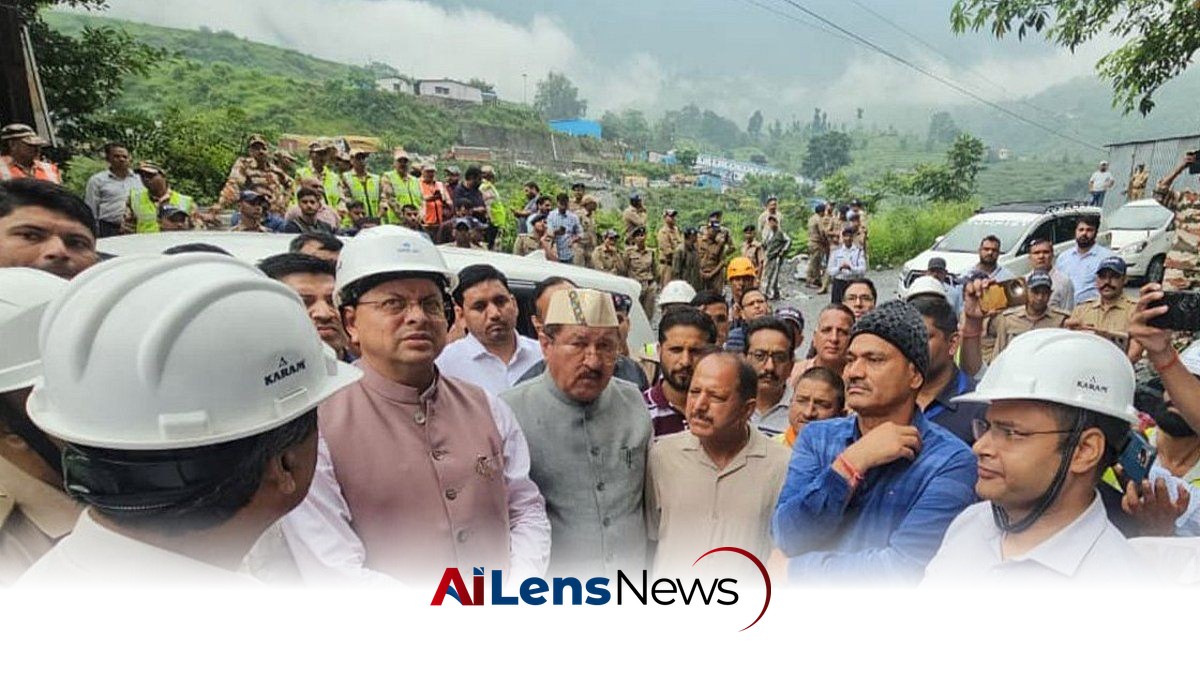


A tunnel collapse at a hydropower project in Uttarakhand has resulted in at least seven fatalities, with rescue operations ongoing amidst challenging conditions.
Doha, Qatar Aug 14, 2026 ALN: A tunnel under construction at a hydropower project in India's northern hill state of Uttarakhand collapsed overnight, leaving at least seven workers dead, officials said Friday. This tragic incident highlights the inherent dangers associated with construction projects in challenging geographical terrains, especially in the Himalayan region, where the interplay of natural forces and human activity can lead to catastrophic outcomes.
The collapse occurred at the Vishnugad-Pipalkoti hydroelectric project, located in the Chamoli district, which is known for its scenic beauty and also for its vulnerability to natural disasters. The project is part of India's broader push to enhance renewable energy sources and reduce dependency on fossil fuels. However, the construction of such infrastructure often involves significant risks due to the region's fragile geology.
A rescue operation was launched following a sudden rush of water and debris that inundated the tunnel late Thursday night. Gaurav Kumar, a top district official, reported that the situation escalated quickly, complicating rescue efforts. Initial reports indicated that of the 22 workers present in the tunnel at the time of the collapse, 12 were rescued alive, but the fate of three others remained uncertain as search operations continued.
Uttarakhand Chief Minister Pushkar Singh Dhami provided updates to the media, confirming the numbers and emphasizing the urgency of the rescue operations. "We are making every effort to locate the missing workers and provide support to the families of those affected by this tragedy," he stated. The rescue teams, comprising personnel from the National Disaster Response Force (NDRF), the Indo-Tibetan Border Police (ITBP), and local fire services, faced significant challenges due to rising water levels and the unstable conditions within the tunnel.
Amrit Lal Meena, the commander of the NDRF team, described the scene upon their arrival, noting that the tunnel was rapidly filling with water, which was also seeping in from the tunnel walls. "When our team reached the site and started the operation, there was a lot of water inside the tunnel and water was also seeping from the sides. Since then, the water level has increased considerably," he explained. This dire situation necessitated swift action and coordination among various agencies to mitigate further risks and ensure the safety of the rescue personnel.
Construction accidents are unfortunately common in India, where rapid infrastructure growth often collides with fragile geology, construction lapses, extreme weather, and inadequate safety standards. The government has been criticized for its approach to safety in construction projects, particularly in high-risk areas like Uttarakhand. The region's mountainous terrain, characterized by steep slopes and unstable rock formations, poses unique challenges for engineers and construction workers alike.
The Himalayan region is particularly susceptible to natural disasters, including landslides and flash floods, which can be exacerbated by climate change and human activities such as deforestation and unregulated construction. An explosion inside a coal mine in the neighboring state of Meghalaya in February killed at least 18 workers, underscoring the persistent dangers faced by laborers in hazardous industries across India. In another recent incident, a tunnel section in northern Uttarakhand collapsed in 2023, trapping 41 workers for 17 days before they were ultimately rescued, illustrating the ongoing risks associated with infrastructure development in the region.
This latest tragedy raises important questions about the safety protocols in place at construction sites, particularly in high-risk areas like Uttarakhand. Experts argue that there is a pressing need for stricter enforcement of safety regulations and better training for workers to prevent such incidents in the future. The government has pledged to improve safety standards and oversight, but critics contend that progress has been slow and insufficient.
The implications of this incident extend beyond the immediate loss of life. It also affects the families of the deceased workers, who often rely on their earnings for financial stability. The emotional and psychological toll on the families is profound, as they grapple with the sudden loss of their loved ones. Community support and government assistance will be crucial in the aftermath of this tragedy, as families navigate the challenges of grief and financial uncertainty.
In a broader context, the incident serves as a stark reminder of the challenges facing India's ambitious renewable energy goals. While the country aims to increase its hydropower capacity as part of its commitment to combat climate change, ensuring the safety of workers and the integrity of construction projects must be prioritized. The delicate balance between development and safety is a critical issue that requires ongoing attention from policymakers, industry leaders, and civil society.
As rescue operations continue, the focus will remain on locating the missing workers and providing support to the affected families. In the coming days, investigations will likely be launched to determine the causes of the tunnel collapse, with an emphasis on identifying any lapses in safety protocols or construction practices that may have contributed to the tragedy. The hope is that lessons learned from this incident will lead to improved safety measures and prevent similar occurrences in the future.
This incident also brings to light the broader issue of labor rights and safety in India, particularly in sectors that are often considered high-risk. Laborers in construction and related fields frequently work under hazardous conditions, and the lack of stringent safety measures can lead to devastating consequences. The government, along with various stakeholders, needs to address these systemic issues to ensure that workers are protected and that their rights are upheld.
Moreover, as India continues to push for rapid infrastructure development to support its growing economy, the balance between economic growth and worker safety must be reassessed. It is essential for policymakers to implement comprehensive safety guidelines and ensure that they are enforced rigorously. This includes regular safety audits, adequate training for workers, and the provision of necessary safety equipment.
In conclusion, the tragic collapse of the tunnel at the Vishnugad-Pipalkoti hydropower project is a stark reminder of the inherent risks associated with construction in vulnerable regions. As the nation mourns the loss of life, it is imperative that the focus shifts to ensuring the safety of workers in the future. The lessons learned from this incident should serve as a catalyst for change, prompting a reevaluation of safety standards and practices in the construction industry, particularly in areas prone to natural disasters.
To learn more about the latest developments in Crime & Law, stay updated with our exclusive reports and analyses on AiLensNews.

