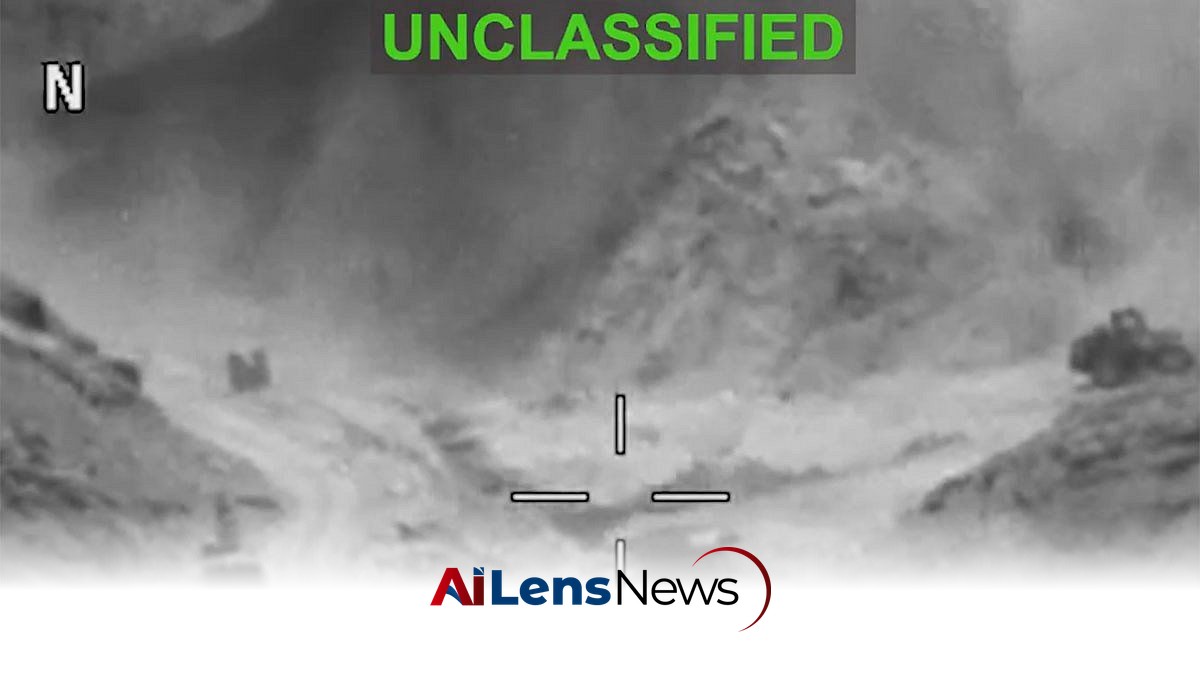


The US military has launched a series of airstrikes against Iran, marking the eighth consecutive night of operations in response to attacks on American troops.
Doha, Qatar Jul 19, 2026 ALN: The US military has intensified its operations in the Middle East, completing its eighth consecutive night of airstrikes against Iranian targets. According to reports from US Central Command (CENTCOM), these strikes have specifically focused on Iranian coastal surveillance and air defense facilities, maritime capabilities, and missile and drone storage sites. The primary objective of these operations is to degrade Tehran’s military capabilities and reduce its ability to project power in the region.
Additionally, these strikes have targeted elements of the Islamic Revolutionary Guard Corps (IRGC), which has been implicated in attacks against American service members stationed in Jordan. This move highlights the increasing volatility in US-Iran relations and underscores the ongoing military confrontations that have characterized the region in recent months.
The advisory also highlights the possibility of travel disruptions, including flight cancellations and temporary airspace closures, which could affect the movement of US citizens abroad. It emphasizes that US diplomatic facilities and American interests overseas have been targeted, making it imperative for travelers to follow guidance from the nearest US embassy or consulate. This advisory serves as a reminder of the complexities and dangers that US citizens may face in volatile regions.
Get updated faster and for FREE: Download the Gulf News app now.
In a clear demonstration of escalating hostilities, Iran's army has claimed responsibility for drone attacks on two US military bases in Kuwait. This retaliation is a direct response to the ongoing American strikes on Iranian territory. According to statements broadcast by the state media, the Iranian military conducted “large-scale attacks with kamikaze drones” targeting the US military’s ammunition depot at Camp Udairi and the radar systems at Ali Al Salem Air Base.
This escalation marks a significant development in the ongoing conflict between the US and Iran, as it illustrates Iran's willingness to respond militarily to perceived threats. The use of drones in these attacks underscores the increasing sophistication of Iran's military capabilities and its determination to challenge US presence in the region.
In a statement from CENTCOM, the US military confirmed that fresh airstrikes were carried out against Iranian targets at 6 PM ET, following orders from the commander in chief. These operations were specifically aimed at IRGC forces, with the intent to “further degrade” Iran's capacity to threaten commercial shipping in the strategically vital Strait of Hormuz. The strikes were also described as a means to “swiftly punish” IRGC forces in the aftermath of their attacks on American service members in Jordan.
The Strait of Hormuz is a critical chokepoint for global oil shipments, and any threat to commercial shipping in this region can have far-reaching implications for global energy markets and international trade. The US has long maintained a military presence in the area to ensure the free passage of vessels and to deter Iranian aggression.
The United Arab Emirates (UAE) has voiced serious concerns regarding the recent developments and escalating tensions in the region. The UAE has called for an immediate cessation of hostilities, urging all parties involved to exercise restraint in order to prevent the situation from deteriorating further. The UAE's position reflects a broader apprehension among Gulf states regarding the potential for increased violence and instability that could affect the entire region.
As a key player in the Gulf Cooperation Council (GCC), the UAE has a vested interest in maintaining regional stability and security. The UAE's call for restraint is indicative of its desire to avoid being drawn into a larger conflict that could have devastating consequences for its own national security and economic interests.
The ongoing conflict between the US and Iran has seen a series of significant developments, each contributing to the escalating tensions:
These developments illustrate the multifaceted nature of the conflict, which involves not only military engagements but also diplomatic maneuvering and regional alliances. The ongoing hostilities have implications for international relations, particularly in how countries navigate their positions amid the rising tensions between Iran and the US, as well as the broader geopolitical landscape in the Middle East.
The situation remains fluid, and the potential for further escalation continues to loom large, prompting concerns from various countries and international organizations regarding the stability of the region and the safety of civilians caught in the crossfire. As both sides continue to assert their military capabilities, the prospect of a diplomatic resolution appears increasingly challenging.
To learn more about the latest developments in World News & International Affairs, stay updated with our exclusive reports and analyses on AiLensNews.

