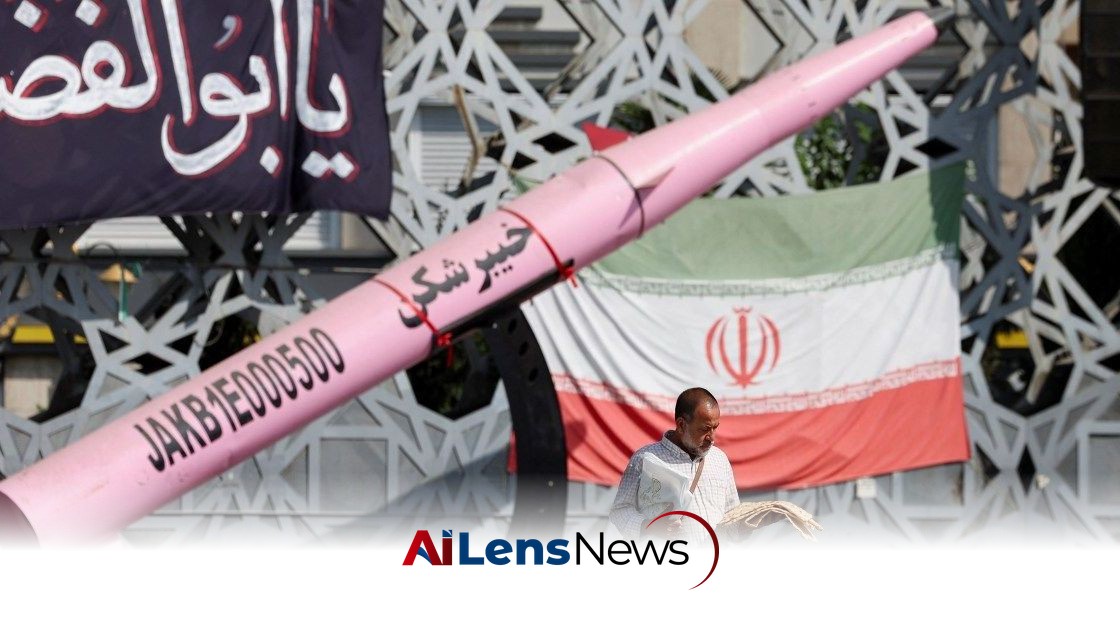


US military actions escalate as explosions are reported in key Iranian port cities, intensifying the standoff in the Strait of Hormuz.
Doha, Qatar Jul 13, 2026 ALN: The ongoing conflict in the Strait of Hormuz has escalated dramatically as the United States has conducted airstrikes targeting several Iranian cities. Reports from Iranian state media indicate that explosions have been heard in the port cities of Bandar Abbas, Sirik, and Jask, as well as on Qeshm Island. The Strait of Hormuz is a strategically vital waterway, with approximately 20% of the world's oil passing through it, making any military action in this region particularly significant not only for the involved parties but also for global markets.
This series of military actions comes amid heightened tensions in the region, with both the US and Iran engaging in a war of words and military posturing. The US has long maintained a military presence in the Gulf region, asserting that its forces are there to ensure the safety of navigation and to deter Iranian aggression. Conversely, Iran has consistently viewed US military operations as a threat to its sovereignty and regional influence. The Strait of Hormuz has become a flashpoint for conflict, with both nations asserting their military capabilities and engaging in provocative actions that have raised concerns about a potential larger confrontation.
According to sources, the US airstrikes targeted military installations believed to be involved in Iran's missile programs. These strikes were described as a response to recent provocations from Iranian forces, which have threatened shipping lanes and engaged in hostile rhetoric against US interests in the region. The US government has stated that its actions are intended to protect maritime routes and ensure the safety of commercial shipping, which has been increasingly threatened by Iranian naval maneuvers and the seizure of vessels.
In recent months, Iranian forces have been accused of harassing oil tankers in the Strait of Hormuz, leading to a series of incidents that have heightened tensions. The US has responded by increasing its naval presence in the area, conducting joint exercises with allied nations, and issuing warnings to Iran. The airstrikes represent a significant escalation in this ongoing conflict, with potential implications for both regional stability and international relations.
In response to the airstrikes, Iranian officials condemned the US actions as acts of aggression. They have vowed to retaliate against any further military incursions, stating that their military capabilities are sufficient to respond to external threats. The Iranian government has also called for an emergency meeting of regional allies to discuss the escalating situation, seeking to bolster support against what it perceives as American imperialism in the region.
The Iranian leadership has historically framed its military actions and responses within the context of national sovereignty and resistance against foreign intervention. The rhetoric from Iranian officials suggests that they may pursue asymmetric tactics, potentially involving proxy groups in the region, to counter US influence and actions. Such tactics could include attacks on US interests or allies in the region, further complicating the already volatile situation.
The conflict's intensification has raised concerns about potential disruptions to oil supplies, as the Strait of Hormuz is a vital passage for oil tankers. Analysts predict that further military actions could lead to significant fluctuations in global oil prices, impacting economies worldwide. The fear of an oil supply crisis could lead to panic buying and speculation in the markets, exacerbating the situation further.
Historically, conflicts in the Gulf region have led to spikes in oil prices, as uncertainty surrounding supply routes prompts traders to react swiftly. In the past, even minor incidents in the Strait of Hormuz have led to significant price increases, illustrating the sensitivity of the global oil market to geopolitical tensions. Should the situation escalate further, it is likely that oil prices could rise sharply, affecting not just the economies of oil-importing nations but also those of oil-exporting countries that rely on stable prices.
Countries around the world are closely monitoring the situation, with calls for de-escalation coming from various international leaders. The United Nations has urged both parties to engage in dialogue to prevent further military escalation. Diplomatic efforts are critical at this juncture, as the potential for miscalculation or unintended consequences increases with each military engagement.
Regional powers, particularly those in the Gulf Cooperation Council (GCC), are also watching the developments closely. Many GCC countries have expressed concerns about Iran's regional ambitions and military capabilities, leading to a complex web of alliances and rivalries. The US's actions may be viewed as a reaffirmation of its commitment to its allies in the region, but they also risk alienating Iran and escalating tensions further.
International organizations and foreign governments have a vested interest in maintaining stability in the region, not only for economic reasons but also for broader geopolitical stability. The potential for a wider conflict involving multiple nations could have far-reaching consequences, making the situation increasingly precarious.
As the situation develops, the international community remains on high alert, with the potential for broader conflict looming over the region. The stakes are high, and the next moves by both the US and Iran will be crucial in determining the trajectory of the conflict.
In conclusion, the recent US airstrikes in Iran mark a significant escalation in the ongoing tensions in the Strait of Hormuz. With both nations poised for further military action, the coming days will be critical in determining the future stability of the region. The potential for a wider conflict remains, with implications not just for the immediate area but for global peace and security as well. The international community's response and the actions taken by both the US and Iran will be pivotal in shaping the outcome of this volatile situation.
To learn more about the latest developments in World News & International Affairs, stay updated with our exclusive reports and analyses on AiLensNews.

