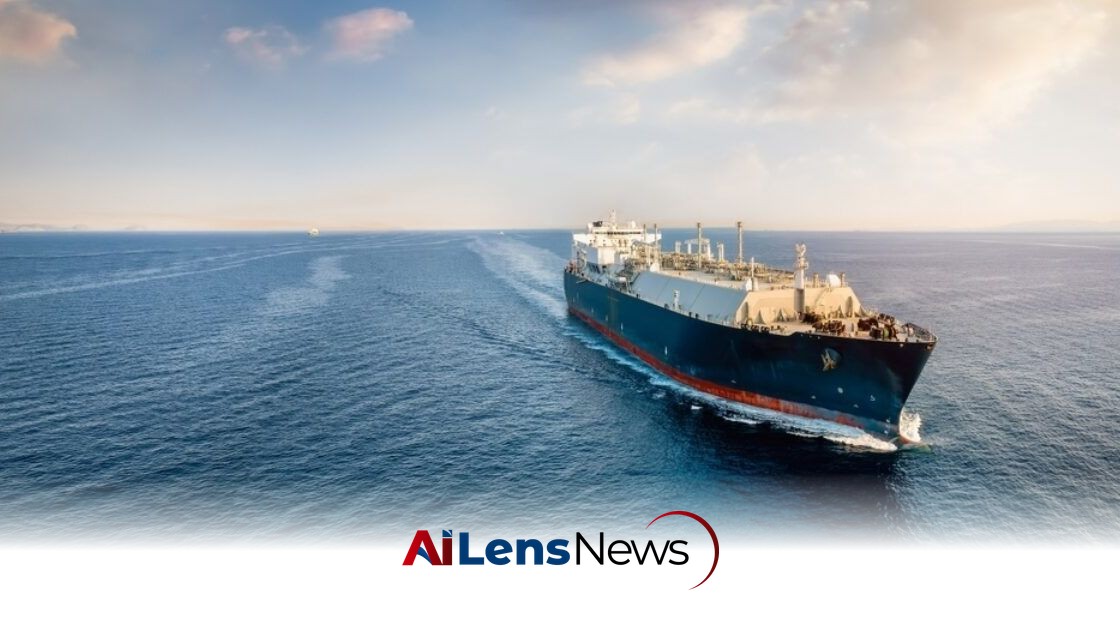


The Al Areesh LNG tanker, managed by QatarEnergy, successfully navigated out of the Strait of Hormuz on July 29, marking a significant event amid heightened tensions in the region.
Doha, Qatar Jul 31, 2026 ALN: The Strait of Hormuz, a vital maritime corridor for global energy supplies, has once again become the focus of international attention due to heightened tensions between Iran and various Gulf states, particularly Qatar. On July 30, 2026, it was reported that a liquefied natural gas (LNG) tanker managed by QatarEnergy, named Al Areesh, successfully navigated out of this strategic waterway. This event is significant as it marks the first recorded exit of an LNG vessel from the Strait of Hormuz since July 11, highlighting the precarious situation in the region.
The Al Areesh tanker had loaded its cargo at Qatar's Ras Laffan terminal between July 4 and July 6, and it departed the strait on July 29. The Strait of Hormuz is a narrow passage that connects the Persian Gulf with the Gulf of Oman and is one of the most critical chokepoints for maritime trade globally, particularly for oil and gas shipments. The region has been under increased scrutiny due to ongoing conflicts and military confrontations, particularly involving Iran, which has historically exerted influence over the waterway.
Data from analytics firms such as Kpler and LSEG indicate that the Al Areesh is currently en route to Port Qasim in Pakistan, with an expected arrival date of July 31, 2026. This successful transit is particularly noteworthy as it follows a series of alarming incidents, including the reported missile strike on another QatarEnergy-managed LNG tanker, the Al Rekayyat, earlier in July. The Al Rekayyat was damaged in what was described as an Iranian missile attack, although reports confirmed that the crew was safe and there was no significant environmental impact from the incident.
The situation in the Strait of Hormuz has been exacerbated by ongoing tensions between Iran and regional powers, as well as the United States. Iran has long viewed its presence in the Strait as a means of asserting its influence and protecting its territorial waters. The Iranian government has often threatened to close the strait in response to perceived threats from the U.S. and its allies, which has led to a volatile atmosphere for commercial shipping in the area.
On July 29, 2026, Iranian state media, specifically Fars news agency, reported that a Qatari vessel carrying LNG had passed through a route designated by Iran in the Strait of Hormuz, with the country's approval. This statement underscores the complex dynamics at play, where Iran appears to be asserting some level of control over maritime navigation in the area while simultaneously allowing certain vessels to pass through under its terms. However, no specific details were provided about the tanker in question, leaving some ambiguity regarding the safety and security of shipping operations in the strait.
The implications of these developments are significant for global energy markets. The Strait of Hormuz is a crucial transit point for approximately 20% of the world's LNG and a substantial portion of its crude oil. Any disruption in this corridor can lead to price fluctuations and supply chain challenges that resonate across international markets. The recent incidents involving LNG tankers have raised concerns among shipping companies about the risks of operating in the region, potentially leading to increased shipping costs and the need for enhanced security measures.
Moreover, the geopolitical landscape surrounding the Strait of Hormuz is complex and multifaceted. The tensions are not solely between Iran and Qatar but also involve other Gulf Cooperation Council (GCC) states, the United States, and broader international interests. The U.S. has maintained a military presence in the region as a deterrent against Iranian aggression, and any escalation in hostilities could prompt a more significant military response, further destabilizing the region.
As Qatar continues to expand its LNG production and export capabilities, the safety of its maritime routes remains a critical concern. The nation has invested heavily in developing its LNG infrastructure, aiming to become one of the world's leading suppliers of natural gas. However, the ongoing conflicts and military tensions in the region pose a direct threat to these ambitions, as the safety of vessels navigating the Strait of Hormuz is paramount for the uninterrupted flow of energy supplies.
The Strait of Hormuz has been a flashpoint for decades, with its strategic importance underscored by historical conflicts and geopolitical maneuvering. The waterway is not only crucial for oil and gas shipments but also serves as a critical passage for military vessels and naval operations. This duality of purpose often complicates the security environment, as military and commercial interests intersect in a region marked by rivalry and distrust.
In recent years, the Iranian government has adopted a more assertive posture in the Strait, conducting naval exercises and engaging in confrontations with vessels perceived to be aligned with U.S. interests. These actions have prompted calls for increased naval security from the U.S. and its allies, who have sought to ensure safe passage for commercial shipping. The presence of U.S. naval forces in the region has been a point of contention, with Iran viewing it as an infringement on its sovereignty and a provocation.
Furthermore, the ongoing tensions between Iran and the U.S. over nuclear negotiations and regional influence have further complicated the situation. The U.S. has accused Iran of using its military capabilities to threaten shipping lanes and disrupt global energy supplies, while Iran maintains that its actions are defensive and aimed at protecting its national interests. This cycle of accusations and counter-accusations contributes to the uncertainty that surrounds maritime operations in the Strait of Hormuz.
The successful exit of the Al Areesh from the Strait of Hormuz represents a small victory amid ongoing tensions in the region. However, the broader implications of security, geopolitical dynamics, and energy supply chain stability remain pressing concerns. As the situation evolves, stakeholders in the energy market will be closely monitoring developments in the Strait of Hormuz and the actions of regional powers, particularly Iran, as these factors will significantly influence global energy prices and supply security in the months to come.
In conclusion, while the navigation of the Al Areesh through the Strait of Hormuz is a positive development, it does not diminish the ongoing risks associated with shipping in the region. The complexities of the geopolitical landscape, coupled with the potential for military escalation, mean that the safety of maritime routes will continue to be a critical issue for countries reliant on energy supplies from the Gulf region. As Qatar and other nations navigate these challenges, the international community will be watching closely, as the stability of the Strait of Hormuz remains integral to global energy security.
To learn more about the latest developments in Transport & Mobility, stay updated with our exclusive reports and analyses on AiLensNews.

