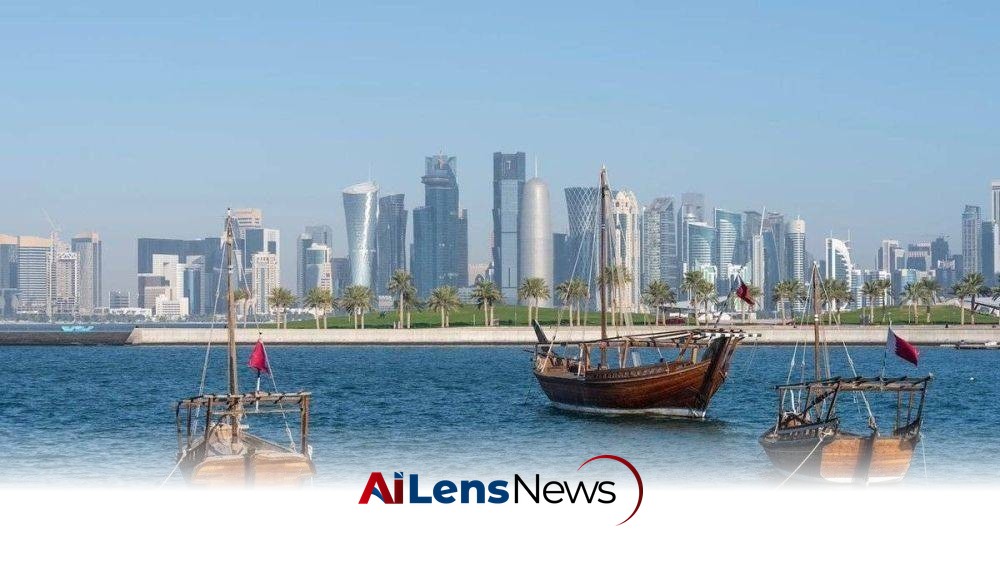


The Ministry of Transport in Qatar has announced the full resumption of maritime navigation activities for all types of vessels from July 26, emphasizing compliance with safety regulations.
Doha, Qatar Jul 26, 2026 ALN: The Ministry of Transport (MoT) has announced the full resumption of maritime navigation activities for all types of maritime vessels and ships starting Sunday, July 26. This decision is a significant development for the maritime industry in Qatar and reflects the country's ongoing efforts to enhance its maritime infrastructure and operational capabilities.
In an important update issued on Saturday, the ministry stated that maritime operations can now resume fully across the country's waters, marking the restoration of normal navigation activities for all vessel categories. This resumption comes after a period during which maritime activities may have been restricted due to various factors, including weather conditions, safety concerns, or other regulatory measures aimed at ensuring the safety of maritime operations. Such restrictions are not uncommon in maritime industries worldwide, as they are often necessary to protect both human lives and the environment.
The MoT urged all vessel operators, owners, and seafarers to strictly comply with the maritime regulations and instructions currently in force. Compliance with these regulations is crucial not only for the safety of the vessels but also for the protection of marine life and the environment. The ministry emphasized that adherence to safety protocols is essential for minimizing risks associated with maritime navigation. The importance of these measures cannot be overstated, as maritime navigation involves inherent risks, including collisions, grounding, and environmental hazards.
In addition to regulatory compliance, the MoT stressed the importance of ensuring that all required safety and security equipment is available on board before departure and throughout the voyage. This includes life jackets, emergency flares, first aid kits, and communication devices, among others. The presence of these safety measures is critical in case of emergencies, and their availability can significantly impact the outcomes of unforeseen incidents at sea. The maritime industry is known for its rigorous safety standards, which are designed to protect not only those on board but also the marine environment and coastal communities.
The ministry said adherence to these measures is essential to maintaining the highest levels of safety and security for all maritime trips. This statement underscores the government's commitment to fostering a safe maritime environment, which is vital for both commercial and recreational activities on the water. The resumption of full maritime navigation is not just a logistical necessity; it is a crucial element of Qatar's broader economic strategy, which relies heavily on trade and transportation.
Qatar's maritime sector plays a crucial role in the country's economy, facilitating trade and transportation. The resumption of full maritime navigation is expected to have positive implications for various industries, including shipping, tourism, and fishing. As global trade continues to recover from disruptions caused by the COVID-19 pandemic, the ability to navigate freely and safely within Qatar's waters is paramount for businesses that rely on maritime transport. The pandemic has highlighted the vulnerabilities in global supply chains, making reliable maritime navigation even more critical for economic recovery.
Moreover, the maritime sector is integral to Qatar's national development strategy. The country has invested significantly in enhancing its port facilities and maritime infrastructure in recent years. The Hamad Port, which opened in 2017, has become a central hub for maritime trade in the region, providing state-of-the-art facilities for cargo handling and logistics. The full resumption of maritime activities aligns with Qatar's broader vision to establish itself as a leading maritime center in the Gulf region. This ambition is driven by the need to diversify the economy and reduce dependency on hydrocarbon revenues, as well as to enhance Qatar's position in international trade.
In light of the recent announcement, vessel operators are encouraged to conduct thorough inspections of their vessels to ensure compliance with all safety regulations. This includes checking navigation equipment, ensuring that crew members are adequately trained, and confirming that all necessary documentation is in order. The MoT may conduct inspections and audits to ensure that vessels meet the required standards before they are allowed to operate. Such proactive measures are essential for maintaining high safety standards and preventing accidents that could have far-reaching consequences.
Additionally, the MoT has highlighted the importance of environmental stewardship in maritime operations. As maritime activities resume, vessel operators are reminded of their responsibility to protect marine ecosystems. This includes adhering to regulations regarding waste disposal, emissions, and the protection of marine habitats. The ministry's commitment to environmental sustainability reflects a growing global awareness of the need to balance economic activities with ecological preservation. With increasing concerns about climate change and its impact on marine environments, the role of the maritime sector in promoting sustainability has never been more critical.
The resumption of full maritime navigation also comes at a time when regional maritime security is of increasing concern. The Gulf region has experienced various maritime incidents in recent years, prompting countries to enhance their security protocols. Qatar's decision to fully resume maritime operations may also be seen as a step towards reinforcing regional cooperation in ensuring safe and secure maritime navigation. Cooperation among Gulf nations can lead to improved maritime security frameworks, which are essential for protecting vital trade routes and ensuring the safety of seafarers.
As the maritime sector in Qatar moves forward, stakeholders are encouraged to engage in dialogue and collaboration to address challenges and seize opportunities for growth. The MoT has indicated its willingness to work with industry partners to promote best practices in maritime safety and efficiency. This collaborative approach is essential for fostering a resilient maritime ecosystem that can adapt to changing circumstances and demands. The involvement of various stakeholders, including government agencies, private sector companies, and international organizations, is crucial in developing comprehensive strategies for the maritime sector.
In conclusion, the full resumption of maritime navigation activities in Qatar marks a pivotal moment for the country's maritime industry. It signals a return to normalcy and a renewed focus on safety, security, and sustainability in maritime operations. As vessel operators, owners, and seafarers prepare for the upcoming navigation activities, their commitment to adhering to regulations and prioritizing safety will be critical in ensuring successful maritime operations in the future. The implications of this decision extend beyond immediate economic benefits, as it also reflects Qatar's commitment to maintaining high standards in maritime safety and environmental protection, which are essential for the long-term sustainability of its maritime sector.
To learn more about the latest developments in Transport & Mobility, stay updated with our exclusive reports and analyses on AiLensNews.

