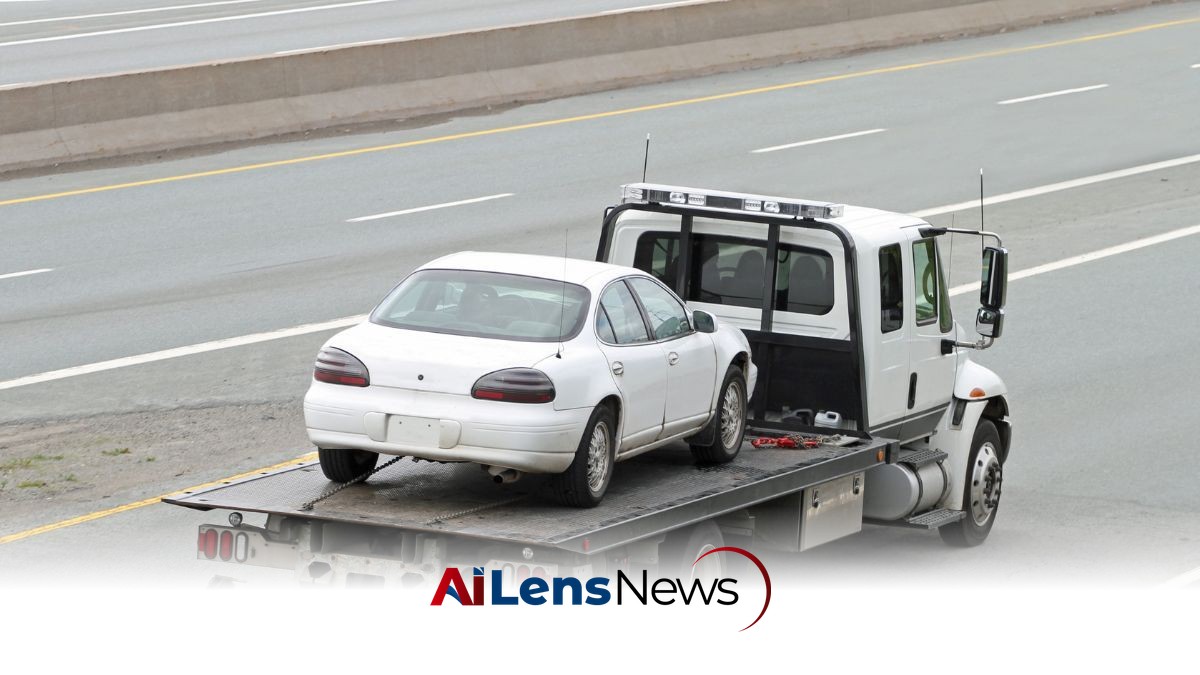


In a significant effort to enhance urban safety and environmental standards, Qatar has removed 7,144 abandoned vehicles from public areas in 2025.
Doha, Qatar Jul 18, 2026 ALN: The Joint Committee for the Removal of Abandoned Vehicles, Machinery and Equipment removed 7,144 abandoned vehicles from public areas across Qatar in 2025 as part of efforts to improve the urban environment, enhance road safety and protect the environment.
According to an annual report issued by the Ministry of Municipality, the removed vehicles included:
The report stated that the total value of vehicles disposed of reached QAR10.623 million, reflecting the economic value recovered through organised disposal and auction processes. This figure underscores the financial implications of abandoned vehicles, not only in terms of lost potential revenue but also the costs associated with their removal and disposal.
During 2025, the committee held 48 meetings and carried out 52 field inspection campaigns to identify and remove abandoned vehicles across different municipalities. This proactive approach not only addresses the immediate issue of abandoned vehicles but also fosters a sense of community responsibility and environmental stewardship among residents. By engaging with local communities, the committee aims to create a shared understanding of the importance of maintaining clean and safe public spaces.
Abandoned vehicles can pose several risks, including safety hazards on the roads, potential environmental contamination, and negative impacts on the aesthetic appeal of neighborhoods. The presence of such vehicles can also attract illegal activities and contribute to urban blight. Therefore, the initiative by the Joint Committee is a critical step towards maintaining the quality of life in urban areas of Qatar. The safety risks associated with abandoned vehicles are particularly concerning, as they can lead to accidents, injuries, and even fatalities, particularly in densely populated urban environments.
Residents can report abandoned vehicles through several channels, including:
These reporting mechanisms are designed to empower citizens to take an active role in their communities and ensure that public spaces remain safe and clean. The use of technology, such as the Oun smart application, reflects a modern approach to governance, where digital tools facilitate communication between citizens and government entities. This integration of technology not only streamlines the reporting process but also allows for real-time updates and tracking of reported issues, enhancing transparency and accountability.
The committee is responsible for coordinating the removal of abandoned vehicles, machinery, and heavy equipment from roads, residential areas, public squares, and other public facilities. This involves not only the physical removal of these items but also overseeing inspections, valuations, and disposal procedures. Proper disposal is crucial as it ensures that any hazardous materials are handled in accordance with environmental regulations, thus protecting public health and the ecosystem. The environmental implications of abandoned vehicles can be severe, as they may leak fluids that contaminate soil and water sources, posing risks to both human health and wildlife.
The report also highlighted efforts to streamline notification procedures, simplify legal processes, and facilitate vehicle ownership transfers in coordination with relevant government entities. These efforts are vital in creating a more efficient system that can respond quickly to issues related to abandoned vehicles. By simplifying legal processes, the committee aims to reduce bureaucratic hurdles that can delay the removal of abandoned vehicles, thereby enhancing the overall effectiveness of the initiative. This focus on efficiency is critical in a rapidly urbanizing context, where the need for swift action is paramount to prevent the proliferation of abandoned vehicles.
As part of its awareness activities, the committee distributed approximately 1,200 educational leaflets and publications explaining procedures related to abandoned vehicles and encouraging compliance with regulations. Education is a key component of this initiative, as it helps to inform the public about the importance of vehicle maintenance and responsible ownership. By raising awareness, the committee hopes to reduce the occurrence of abandoned vehicles in the future, fostering a culture of accountability among vehicle owners. This educational outreach is essential in changing public attitudes and behaviors regarding vehicle ownership and maintenance, ultimately leading to a more responsible community.
The committee has also approved its 2026 operational plan, which will focus on improving procedures, expanding digital services, and strengthening coordination among participating government entities. This forward-looking approach indicates a commitment to continuous improvement and adaptation to the needs of the community. By enhancing digital services, the committee aims to make it easier for residents to report issues and access information, thus increasing public engagement in the initiative. The emphasis on digital transformation aligns with broader trends in governance, where technology plays an increasingly important role in enhancing service delivery and citizen participation.
The removal of abandoned vehicles is not just a logistical task; it is part of a broader strategy to enhance urban living conditions in Qatar. The initiative aligns with Qatar's national vision, which emphasizes sustainable development and the importance of maintaining clean and safe urban environments. As Qatar continues to grow and develop, addressing issues such as abandoned vehicles will be vital in ensuring that the country remains an attractive place to live and work. The integration of urban planning and environmental management is crucial in creating a sustainable future, where urban spaces are designed to accommodate growth while preserving quality of life.
Moreover, the economic implications of this initiative are significant. The reported value of QAR10.623 million from the disposal of abandoned vehicles highlights the potential for economic recovery through organized waste management practices. This not only benefits the local economy but also encourages responsible consumption and disposal behaviors among residents. The economic recovery aspect of this initiative can also stimulate local businesses involved in vehicle disposal and recycling, creating job opportunities and contributing to the overall economic health of the community.
In conclusion, the Joint Committee for the Removal of Abandoned Vehicles, Machinery and Equipment's efforts in 2025 represent a critical step towards improving urban environments in Qatar. Through community engagement, streamlined processes, and educational initiatives, the committee is working to create safer, cleaner, and more aesthetically pleasing public spaces. As the committee looks ahead to 2026, its commitment to innovation and cooperation among government entities will be essential in sustaining these efforts and addressing the ongoing challenge of abandoned vehicles in the country. The success of this initiative will not only enhance the quality of life for residents but also contribute to the broader goals of sustainable urban development in Qatar.
To learn more about the latest developments in Local & Regional, stay updated with our exclusive reports and analyses on AiLensNews.

