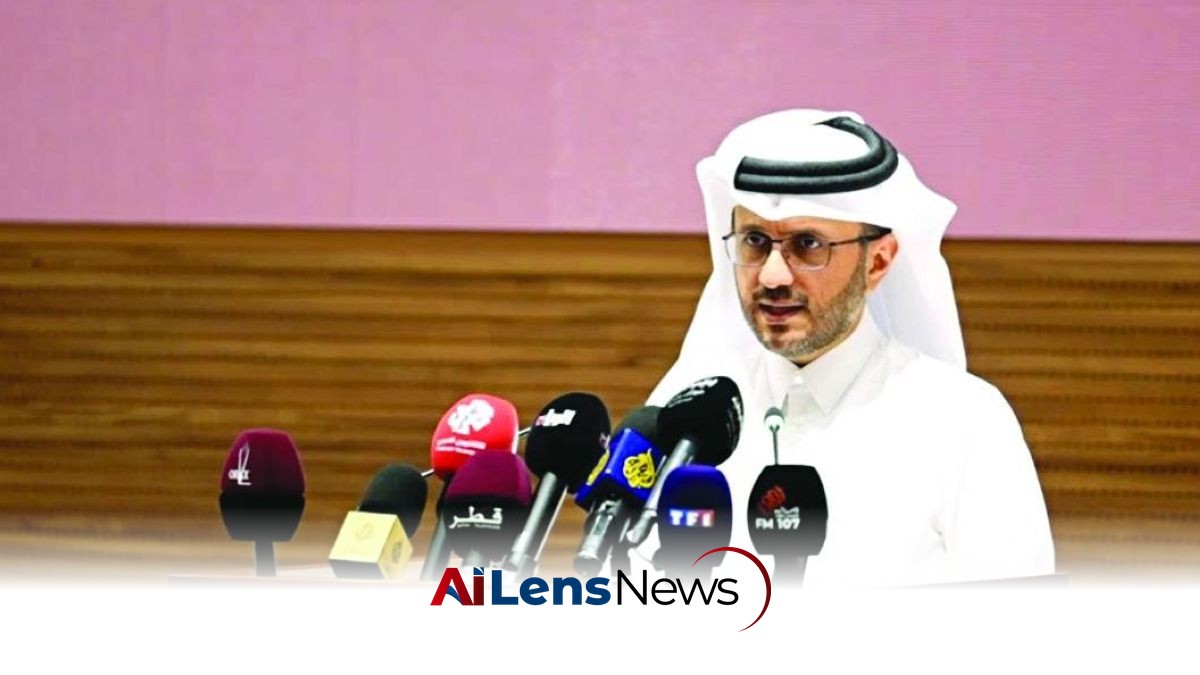



Qatar has called for global action to ensure Israel implements the second phase of the Gaza ceasefire, criticizing its ongoing delays and emphasizing the need for immediate action.
Doha, Qatar Aug 12, 2026 ALN: Qatar's recent call for the international community to exert pressure on Israel regarding the Gaza ceasefire highlights the ongoing complexities of the Israeli-Palestinian conflict, a situation that has persisted for decades and has seen numerous attempts at peace negotiations, ceasefires, and international mediation. The conflict has deep historical roots, with territorial disputes, national identity, and historical grievances playing significant roles in the ongoing tensions.
The statement from Qatar comes amid a backdrop of escalating violence in Gaza and the West Bank, where civilian casualties have been on the rise. The term "martyrs" used by Dr. Majed bin Mohammed al-Ansari, Qatar's advisor to the Prime Minister and Foreign Ministry spokesman, reflects the emotional and political weight that such terminology carries in the Arab world, often invoking a sense of national and cultural solidarity. The reference to relentless attacks on schools, hospitals, and civilian infrastructure underscores the humanitarian crisis that often accompanies military conflicts, drawing international attention and concern.
Qatar's efforts to mediate in the conflict are not new; the country has positioned itself as a key player in regional diplomacy, often leveraging its relationships with various factions and nations to facilitate dialogue. The mention of cooperation with the United States, Egypt, and Turkiye in the mediation process indicates a multilateral approach, recognizing that the resolution of the Gaza situation requires input and agreement from multiple stakeholders. This coalition reflects the complexities of Middle Eastern geopolitics, where alliances can shift, and the interests of different nations often intersect in unexpected ways.
Dr. al-Ansari's remarks about the responsibility lying with the Israeli side to meet its obligations under the ceasefire agreement suggest a frustration with what Qatar perceives as a lack of commitment from Israel. This sentiment is echoed by many in the international community who have called for both sides to adhere to ceasefire terms and work towards a sustainable peace. The ongoing violence and the humanitarian crisis in Gaza serve as a stark reminder of the urgency needed in addressing these issues.
Qatar's involvement in the peace process is also reflective of broader regional dynamics. The joint statement issued by Qatar, Jordan, the UAE, Indonesia, Pakistan, Turkiye, Saudi Arabia, and Egypt illustrates a unified front among various nations regarding the need to address Israeli actions in Gaza. This coalition signifies a collective concern for Palestinian rights and the humanitarian situation, as well as a desire to exert pressure on Israel to comply with international expectations and norms.
Moreover, Qatar's emphasis on practical steps to be announced in the coming days suggests a proactive approach to diplomacy, one that goes beyond mere statements and seeks to implement tangible measures to alleviate the situation in Gaza. This could involve humanitarian aid, diplomatic initiatives, or coordinated efforts with other nations to address the root causes of the conflict.
The visit of Sultan Haitham bin Tarik of Oman to Qatar is another critical element in this diplomatic landscape. Oman has historically played a mediating role in regional conflicts, often acting as a neutral party capable of facilitating dialogue between opposing sides. Dr. al-Ansari's comments regarding the ongoing negotiations between the United States and Iran highlight the interconnectedness of regional issues, where progress on one front can influence dynamics on another. The mention of the Strait of Hormuz underscores the strategic importance of this waterway, which is vital for global oil transportation and has been a flashpoint for tensions between Iran and the United States.
Qatar's position on the Strait of Hormuz reflects its broader concerns about regional stability and security. The call for the restoration of freedom of navigation through the Strait aligns with international law and underscores Qatar's commitment to upholding maritime rights. This stance is particularly significant given the geopolitical tensions in the region, where any disruption to maritime traffic can have far-reaching economic implications.
Furthermore, Dr. al-Ansari's comments regarding the Gulf position on Iranian statements about the Strait reveal a nuanced understanding of regional dynamics. The emphasis on restoring the situation to a pre-crisis state indicates a desire for stability and predictability, which is essential for fostering economic growth and security in the region. Qatar's support for regional understandings to protect maritime navigation rights reflects a broader commitment to collaborative security arrangements.
In discussing the Makkah joint defense agreement between Saudi Arabia, Turkiye, and Pakistan, Dr. al-Ansari highlights the importance of regional cooperation in enhancing security and stability. Qatar's strategic ties with these nations suggest a willingness to engage in collaborative defense frameworks that prioritize mutual interests and good-neighborly relations. This approach is particularly relevant in a region characterized by historical rivalries and conflicts, where cooperative security measures can serve as a stabilizing force.
Overall, Qatar's call for international pressure on Israel regarding the Gaza ceasefire is part of a broader effort to address the complexities of the Israeli-Palestinian conflict and regional security dynamics. The situation remains fluid, with ongoing negotiations, humanitarian concerns, and geopolitical considerations all playing a role in shaping the future of peace efforts in the region. As Qatar continues to engage with international partners and regional allies, the implications of its actions will be closely monitored by both supporters and critics, reflecting the high stakes involved in achieving a lasting resolution to these longstanding conflicts.
To learn more about the latest developments in World News & International Affairs, stay updated with our exclusive reports and analyses on AILensNews.

