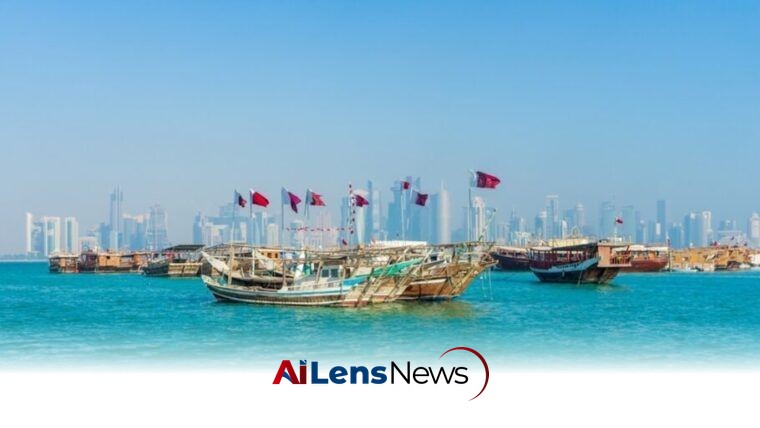


The Ministry of Transport has announced the immediate resumption of maritime navigation within a 7-nautical-mile range in Qatar, ensuring safety regulations are followed.
Doha, Qatar Jul 21, 2026 ALN: The Ministry of Transport of Qatar has officially announced the resumption of maritime navigation for all types of vessels as of July 20, 2026. This significant development allows for the normal operation of maritime activities within a designated marine area that spans nearly 7 nautical miles. This area encompasses critical maritime zones, including Lusail City, which features a variety of ports, anchorages, and marine facilities, extending to Hamad Port in the east and reaching from Umm Heesh to Doha Salwa in the west.
This announcement comes after a period of suspension of maritime activities that began on July 12, 2026, due to unspecified circumstances that necessitated a halt in operations. The suspension raised concerns among local businesses reliant on maritime transport and trade, as well as affecting leisure activities associated with the sea, such as fishing and recreational boating. With the recent announcement, stakeholders can now resume their operations, which is expected to positively impact the economy and restore normalcy in maritime activities.
The immediate effect of this resumption is crucial for various sectors, including shipping, tourism, and local fisheries, which are integral to Qatar’s economy. The Ministry of Transport has emphasized that vessels operating under the provisions of international maritime conventions, as well as those that comply with established regulations and procedures, are exempt from certain restrictions that may have been in place during the suspension. This exemption is designed to facilitate a smooth transition back to normal operations while maintaining safety and security standards.
In the wake of the resumption, the Ministry has issued a strong encouragement for all maritime operators to adhere strictly to the regulations and guidelines set forth by maritime authorities. This includes ensuring that all necessary safety and security equipment is available both prior to and during sailing. The emphasis on safety is particularly important, as maritime operations involve inherent risks, and compliance with safety protocols is essential to prevent accidents and ensure the well-being of crew members and passengers alike.
The area affected by this announcement is significant not only for its economic implications but also for its strategic importance in maritime logistics. Lusail City, in particular, is a developing urban area that is expected to play a vital role in Qatar’s future, especially with its planned infrastructure and facilities aimed at enhancing the nation’s maritime capabilities. Hamad Port, as one of the largest ports in the region, serves as a critical hub for international shipping and trade, making the resumption of operations there particularly impactful.
Moreover, this announcement aligns with Qatar’s broader vision for economic diversification and development, which includes enhancing the maritime sector as a key component of its national strategy. The government has been investing in various maritime projects aimed at improving infrastructure, increasing capacity, and promoting sustainable practices within the industry. The resumption of navigation signals a commitment to these goals and reflects the government's responsiveness to the needs of the maritime community.
In addition to economic considerations, the resumption of maritime navigation is also expected to have social implications. Many residents of Qatar engage in recreational boating and fishing as leisure activities, and the ability to resume these activities will likely enhance the quality of life for many citizens and residents. Additionally, the tourism sector, which has been heavily impacted by the suspension, can now begin to recover as boat tours and other maritime experiences become available again.
As maritime activities ramp up, it will be essential for the Ministry of Transport to monitor compliance with safety regulations and guidelines. Regular inspections and assessments will be necessary to ensure that all vessels operating in the area are equipped with the required safety gear and are adhering to international maritime standards. This ongoing oversight will help mitigate risks and promote a culture of safety within the maritime community.
The announcement also serves as a reminder of the importance of maritime safety and the need for continuous education and training for all those involved in maritime operations. The Ministry of Transport may consider implementing additional training programs or workshops to reinforce safety protocols and best practices among maritime operators.
In conclusion, the resumption of maritime navigation in Qatar marks a pivotal moment for the maritime sector, signaling a return to normal operations after a period of uncertainty. As vessels set sail once again across the waters of Qatar, the focus will be on ensuring safety, compliance, and the sustainable growth of the maritime industry. The Ministry of Transport's proactive approach in facilitating this transition reflects its commitment to fostering a robust and resilient maritime environment that can support the nation’s economic and social aspirations.
Understanding the broader context of maritime navigation in Qatar is essential to grasp the significance of this announcement. Qatar, a small but economically prosperous nation on the Arabian Peninsula, has been investing heavily in its infrastructure, including maritime facilities, as part of its National Vision 2030. This vision aims to diversify the economy away from oil and gas dependency, focusing on sectors like tourism, logistics, and maritime trade.
The maritime sector is particularly crucial for Qatar, given its geographical position and the increasing importance of global shipping routes. The country has made substantial investments in port facilities, such as the state-of-the-art Hamad Port, which was inaugurated in 2017 and is designed to handle large volumes of cargo, thereby enhancing Qatar’s logistics capabilities. The port's strategic location allows it to serve as a gateway for goods entering and leaving the Gulf region, making it a vital component of both regional and international trade.
In addition to facilitating trade, maritime activities also contribute to Qatar’s tourism sector. The country has been promoting its coastline, which boasts beautiful beaches and a rich marine environment, as a destination for tourists seeking leisure and adventure. Activities such as sailing, fishing, and diving are popular among both locals and visitors, and the resumption of maritime navigation is expected to boost these recreational pursuits, thereby enhancing the overall tourism experience.
The fishing industry, another vital sector for Qatar, has also faced challenges during the suspension of maritime activities. Fishing is not only a source of food but also an important cultural aspect of Qatari heritage. The ability to return to fishing activities will help support local fishermen and preserve traditional practices that have been passed down through generations.
Furthermore, the recent suspension and subsequent resumption of maritime navigation may also serve as a catalyst for discussions around maritime safety and environmental protection. As maritime traffic increases, so does the need for stringent safety measures to prevent accidents and protect marine ecosystems. Qatar has been actively working on policies that promote environmental sustainability within its maritime operations, and the Ministry of Transport's commitment to safety and compliance reflects a broader understanding of the need to balance economic growth with environmental stewardship.
As the maritime sector in Qatar moves forward, collaboration between the government, private sector, and local communities will be essential. Engaging stakeholders in discussions about best practices, safety measures, and sustainable development will not only enhance operational efficiency but also build a culture of responsibility within the maritime community. This collaborative approach can lead to innovative solutions that address the challenges faced by the sector while ensuring that Qatar remains a competitive player in the global maritime industry.
In summary, the resumption of maritime navigation in Qatar is a significant milestone that underscores the importance of the maritime sector to the nation’s economy and society. It represents a return to normalcy following a period of uncertainty and highlights the government's commitment to fostering a safe, efficient, and sustainable maritime environment. As the industry gears up for renewed activity, the focus will remain on adhering to safety regulations, promoting best practices, and supporting the diverse needs of the maritime community.
To learn more about the latest developments in Transport & Mobility, stay updated with our exclusive reports and analyses on AiLensNews.

