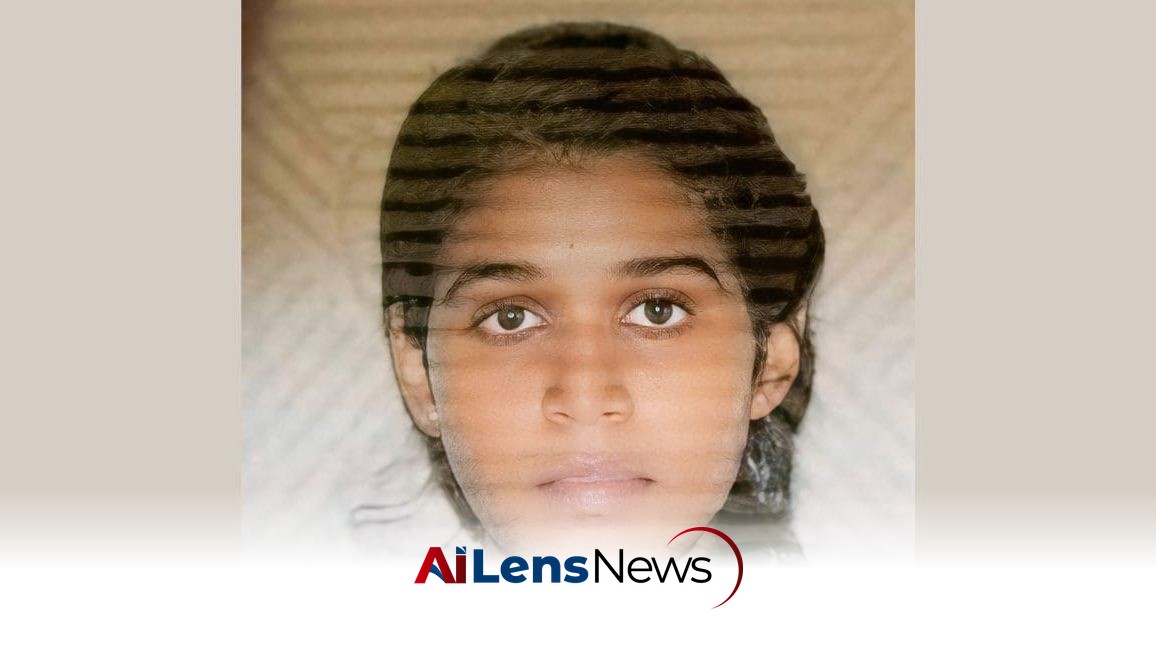


The National Commission for Women is investigating the alleged murder of a Kerala student in Uzbekistan, seeking a swift probe and support for her family.
Doha, Qatar Jul 13, 2026 ALN: The tragic murder of Savaria Basanth, a 21-year-old medical student from Kerala, has sent shockwaves across India and raised serious concerns regarding the safety of Indian students abroad. The National Commission for Women (NCW) has taken immediate action, demanding an urgent investigation into the circumstances surrounding her death in Uzbekistan. This case highlights not only the individual tragedy of Savaria's life but also broader issues related to student safety, international relations, and the responsibilities of educational institutions.
Savaria was a first-year MBBS student at Bukhara State Medical University, located in Uzbekistan, a country known for its rich history and cultural heritage but also for its complex socio-political landscape. The fact that a young Indian woman, pursuing her dreams of becoming a doctor, met such a tragic end raises pressing questions about the conditions faced by international students in foreign countries. Uzbekistan, while offering affordable education, has been reported to have challenges related to social integration for foreign students, including cultural misunderstandings and varying degrees of acceptance.
The NCW's suo motu cognisance of the case indicates the seriousness with which the Indian authorities view the allegations of torture and murder. The Commission's concerns are compounded by claims that Savaria was subjected to physical assault and was pressured to convert to another religion prior to her death. These allegations not only suggest a personal tragedy but also hint at broader issues of religious intolerance and discrimination that can arise in multicultural educational environments. Such incidents raise alarms about the need for protective measures for students from diverse backgrounds, particularly in regions where cultural tensions may exist.
In response to the situation, the NCW has reached out to the Kerala Director General of Police (DGP), emphasizing the need for a thorough and swift investigation. The Commission's request for coordination with the Ministry of External Affairs (MEA) and the Indian Embassy in Tashkent underscores the complexities involved in navigating legal systems across borders. The preservation of evidence, examination of legal mechanisms, and the provision of support for Savaria's family are critical components of ensuring that justice is served. The involvement of multiple agencies reflects the intricate nature of international law and the necessity for diplomatic channels to be utilized effectively in such sensitive cases.
According to reports, Savaria was killed following an altercation with a fellow student, Sadarul Anam, who has since been taken into custody by Uzbek authorities. The details surrounding the altercation remain murky, and as investigations unfold, it is essential to understand the context in which this incident occurred. The pressure faced by international students, including cultural differences, language barriers, and social dynamics, can sometimes lead to conflicts that escalate tragically. Understanding the dynamics of student life in Uzbekistan, including the challenges of adapting to a new educational system and social environment, is crucial in assessing the factors that may have contributed to this incident.
Following Savaria's death, her family expressed their anguish and raised serious allegations regarding the treatment she received while studying in Uzbekistan. They claimed that she had been subjected to brutal physical assault and was coerced into converting to another religion. These allegations have led the Kerala Police to register a case, and a second post-mortem examination was conducted upon her return to India. The involvement of multiple authorities in the investigation highlights the complexity of the case and the need for a multifaceted approach to ensure accountability. The family’s distress is compounded by the challenges of navigating a foreign legal system, which can often be opaque and difficult to understand for those not familiar with its workings.
The NCW's communication with the Indian Ambassador to Uzbekistan further emphasizes the necessity of diplomatic engagement in such cases. The role of embassies is crucial in providing support to citizens abroad, especially in legal matters. The NCW's assertion that it remains committed to pursuing justice through all available legal and diplomatic avenues reflects a proactive stance in addressing the concerns of Indian citizens overseas. This case may serve as a catalyst for discussions on how embassies can enhance their support systems for students, including establishing clearer protocols for responding to emergencies involving Indian nationals.
This incident also raises broader questions about the safety and well-being of Indian students studying abroad. Thousands of Indian students pursue higher education in various countries, including Uzbekistan, often seeking affordable education and diverse cultural experiences. However, as this case illustrates, the risks associated with studying in a foreign country can sometimes overshadow the benefits. Educational institutions and governments must work together to ensure the safety and security of international students, providing them with adequate support and resources. This includes not only physical safety measures but also mental health support and cultural orientation programs to help students adjust to their new environments.
Moreover, the implications of this case extend beyond individual safety. It touches upon issues of international relations, particularly between India and Uzbekistan. The handling of this case will likely affect perceptions of safety for Indian students in Uzbekistan and may influence future educational exchanges between the two countries. Ensuring a transparent and thorough investigation is vital not only for justice for Savaria but also for maintaining diplomatic relations and fostering a positive environment for Indian students abroad. Educational exchanges can be a powerful tool for diplomacy, and incidents like these can have lasting effects on bilateral ties.
As the investigation unfolds, it will be essential to monitor the responses from both Indian and Uzbek authorities. The outcome of this case may have lasting implications for policies related to student safety, international cooperation in legal matters, and the treatment of foreign nationals in Uzbekistan. Additionally, it may prompt discussions regarding the adequacy of support systems in place for international students, including mental health resources, legal aid, and cultural orientation programs. Policymakers may also need to consider establishing clearer guidelines for universities hosting international students, ensuring they are equipped to handle crises and provide necessary support.
In conclusion, the murder of Savaria Basanth is a heartbreaking reminder of the challenges faced by international students. The NCW's involvement underscores the importance of addressing issues of safety and justice for women, particularly in contexts where they may be vulnerable. As the investigation progresses, it is crucial that all stakeholders remain committed to ensuring that such tragedies do not occur in the future, and that the rights and dignity of all students are upheld, regardless of their nationality or religion. Ensuring a safer environment for students studying abroad is a collective responsibility that requires concerted efforts from governments, educational institutions, and communities to foster an atmosphere of respect, understanding, and protection.
To learn more about the latest developments in Crime & Law, stay updated with our exclusive reports and analyses on AiLensNews.

