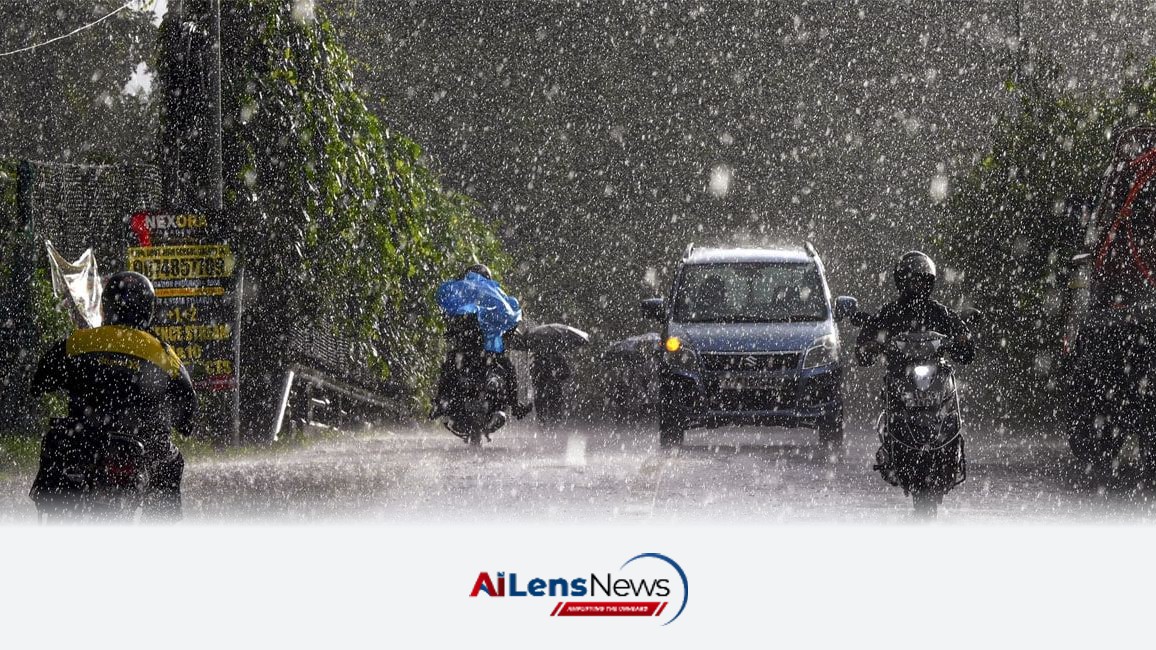



Despite recent heavy rains, Kerala experiences a 24% deficit in seasonal rainfall, with Wayanad being the most affected district at 52%.
Doha, Qatar Aug 23, 2026 ALN: Kerala, a state located on the southwestern coast of India, is currently grappling with a significant 24% deficit in seasonal rainfall, as reported by the India Meteorological Department (IMD). This deficit is particularly concerning given the heavy rains that have lashed various parts of the state in recent days. The period from June 1 to August 23 has seen Kerala receive 1,255.5 mm of rain, which is notably less than the normal expected rainfall of 1,659.4 mm. This discrepancy highlights a worrying trend for the region, especially considering that Kerala is known for its monsoon season, which typically brings substantial rainfall essential for agriculture and water supply.
The rainfall deficit is not uniformly distributed across the state. Eight districts have reported significant shortfalls. Wayanad, known for its lush greenery and agriculture, experienced the highest deficit at 52%. Following closely is Idukki, which reported a 46% deficit. Other districts such as Kollam (32%), Thrissur (28%), and Palakkad (27%) also recorded substantial deficits. The situation is particularly alarming in districts like Alappuzha (25%), Ernakulam (24%), and Malappuram (21%), where the shortfall could have serious implications for local agriculture and water resources.
In contrast, several districts, including Kannur, Kasaragod, Kottayam, Kozhikode, Pathanamthitta, and Thiruvananthapuram, have recorded normal rainfall levels, suggesting a more favorable weather pattern in these regions. However, the overall state average indicates a pressing need for rain to meet the agricultural and drinking water needs of the population.
The IMD has forecasted that rain or thundershowers are likely to continue in the state until August 28. Notably, thunderstorms accompanied by lightning and gusty winds, with speeds reaching 30-40 kmph, are expected at isolated places on August 25. These weather conditions, while potentially beneficial in terms of alleviating the rainfall deficit, also pose risks, particularly in terms of safety and property damage.
In light of the anticipated heavy rainfall, the IMD has issued yellow alerts in several districts, warning of heavy rainfall amounts ranging from 7-11 cm within a 24-hour period. The alerts are as follows:
In addition to the rainfall warnings, squally weather is expected along the coasts of Kerala, Karnataka, and the Lakshadweep islands until August 25. Wind speeds are predicted to reach 35-45 kmph, with gusts potentially reaching up to 55 kmph. Fishermen and those involved in maritime activities have been strongly advised against venturing into these sea areas during this period due to safety concerns.
The implications of this rainfall deficit extend beyond immediate weather concerns. Kerala's economy is heavily reliant on agriculture, and a shortfall in rainfall can adversely affect crop yields, leading to food security issues and economic strain for farmers. Additionally, the state's water supply systems, which depend on consistent monsoon rains, may face challenges, potentially leading to shortages in drinking water for both urban and rural populations.
Historically, Kerala has experienced fluctuations in monsoon patterns, with some years witnessing excessive rainfall leading to floods, while others face deficits that affect agriculture. The ongoing climate change phenomenon has intensified these variations, making it increasingly difficult for local farmers to predict weather patterns and plan their agricultural activities accordingly. This unpredictability adds an additional layer of risk to an already vulnerable sector.
As Kerala continues to navigate these weather challenges, the state government and local authorities are likely to monitor the situation closely, implementing measures to mitigate the impact of the rainfall deficit. This may include initiatives to improve water conservation, promote drought-resistant crops, and enhance early warning systems for extreme weather events.
In conclusion, while recent heavy rains may provide some relief, the overall 24% deficit in seasonal rainfall remains a significant concern for Kerala. The state must balance immediate responses to weather events with long-term strategies to adapt to changing climatic conditions, ensuring the sustainability of its agricultural sector and the well-being of its residents.
To learn more about the latest developments in Weather & Emergency, stay updated with our exclusive reports and analyses on AILensNews.

