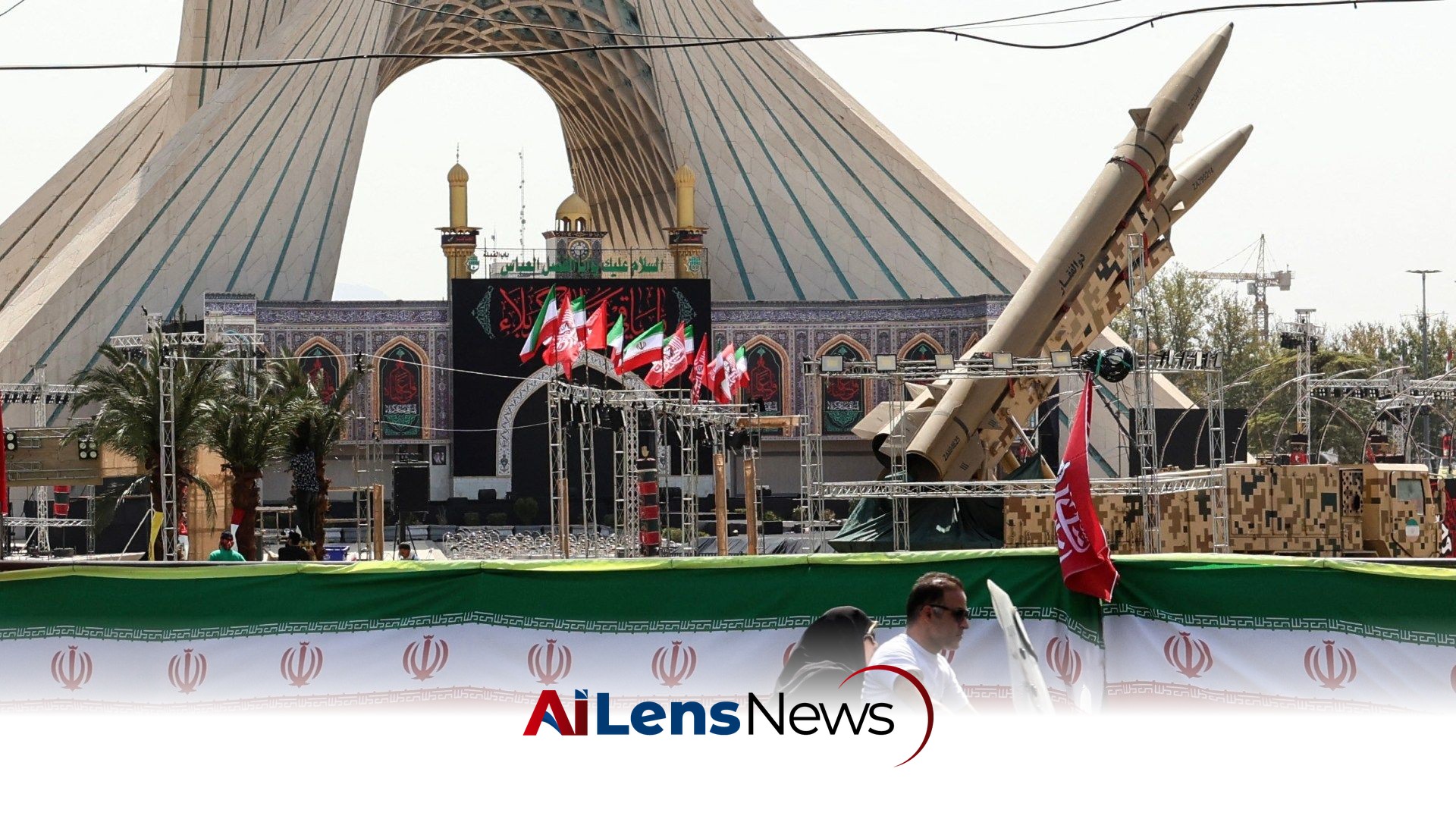


Tehran reacts to a Ukrainian attack that resulted in casualties among sailors, escalating diplomatic tensions.
Doha, Qatar Jul 26, 2026 ALN: In a significant diplomatic move, Iran has summoned Ukrainian diplomats following an attack in the Caspian Sea that reportedly killed one sailor and injured another. The incident, which occurred in a region already fraught with geopolitical tensions, has heightened hostilities between the two nations, which have been navigating a complex relationship amid ongoing conflicts in Eastern Europe and the Middle East. The summoning of diplomats is a traditional diplomatic response that indicates serious concern and a desire to address grievances directly.
The Iranian government expressed its deep concerns regarding the attack, emphasizing the need for accountability and dialogue. Iranian officials have stated that such actions could jeopardize regional stability and have called for a thorough investigation into the circumstances surrounding the incident. This call for accountability is not only a reflection of Iran's immediate concerns over the attack itself but also a broader assertion of its sovereignty and regional influence. Iran, which has historically been sensitive to perceived threats from neighboring countries and external powers, views this incident as a potential infringement on its territorial integrity and maritime rights.
The Caspian Sea, bordered by five countries—Iran, Russia, Kazakhstan, Turkmenistan, and Azerbaijan—has been a site of contention and strategic importance, making any military actions in the area particularly sensitive. The sea is rich in natural resources, including oil and gas, and has been a focal point for territorial disputes and energy politics. The legal status of the Caspian Sea has been a matter of debate since the dissolution of the Soviet Union, with various nations claiming different rights over its waters and resources. This complex legal landscape adds another layer of difficulty to diplomatic relations and conflict resolution in the region.
In recent decades, the Caspian Sea has seen various military and naval activities, raising concerns about the potential for conflict. The incident that prompted Iran's summons of Ukrainian diplomats is emblematic of the fragile security environment in the region. Iran's reaction highlights its perception of external threats, particularly from nations perceived to be aligned with Western interests, which it views as encroaching upon its sphere of influence. This perception is compounded by the ongoing tensions between Iran and the West, particularly in light of U.S. sanctions and military presence in the region.
Ukrainian officials have yet to respond publicly to Iran's summons, but the attack is expected to complicate existing diplomatic relations further. Ukraine has been embroiled in its own conflicts, particularly with Russia, which has implications for its foreign policy and security alliances. The ongoing war in Ukraine has shifted the focus of many nations, including Iran, as they navigate their own interests in a rapidly changing geopolitical landscape. The potential for Ukraine to engage with Iran could be influenced by the latter's position in the broader context of the conflict with Russia. Furthermore, Ukraine's need to seek alliances and support against Russian aggression may lead it to reassess its diplomatic strategies in light of this incident.
As the situation develops, both nations are likely to engage in discussions aimed at de-escalating tensions and addressing the implications of the attack. Iran's foreign policy has often been characterized by a mix of assertiveness and pragmatism, and it may seek to use this incident as a means to bolster its position in regional politics. For Ukraine, engaging with Iran could offer both challenges and opportunities, particularly in light of its ongoing need for international support and solidarity against perceived aggression from Russia. The diplomatic maneuvering that follows this incident will be critical for both nations as they attempt to navigate their respective interests.
The international community is closely monitoring the developments, as any escalation could have broader implications for regional security. The Caspian Sea is not only a critical area for the bordering nations but also for global energy markets. Any military incidents or heightened tensions could disrupt shipping routes and energy exports, impacting economies far beyond the immediate region. The interplay of local conflicts and global energy dynamics means that the ramifications of this incident could be felt internationally, particularly in energy-dependent countries.
This incident underscores the fragile nature of diplomatic relations in a region marked by historical conflicts and ongoing disputes over territorial waters and resources. The complexities of the Caspian Sea's geopolitical landscape are further compounded by the interests of external powers, including the United States and European nations, which have stakes in the region's energy resources and security dynamics. The involvement of these external players often complicates local disputes, as their interests may not align with those of the regional actors.
Furthermore, Iran's relationship with Ukraine is influenced by its broader foreign policy objectives, including its ties with Russia. While Iran has been critical of Western policies and has sought to strengthen its alliances with nations like Russia, it also recognizes the importance of maintaining a working relationship with Ukraine, especially given the latter's strategic position in Eastern Europe. This balancing act reflects the complexity of international relations where nations must navigate their interests while managing historical grievances and current geopolitical realities.
In summary, the summoning of Ukrainian diplomats by Iran following the Caspian Sea attack represents a significant moment in the evolving diplomatic landscape between the two nations. As both countries navigate their respective geopolitical challenges, the need for dialogue and accountability will be paramount in preventing further escalation. The incident serves as a reminder of the delicate balance of power in the region and the potential for conflict that exists when national interests collide. The coming weeks will likely reveal how both nations choose to address this incident and what it means for their future relations. The resolution of this incident could set the tone for future interactions, not only between Iran and Ukraine but also within the broader context of Caspian Sea geopolitics.
To learn more about the latest developments in Crime & Law, stay updated with our exclusive reports and analyses on AiLensNews.

