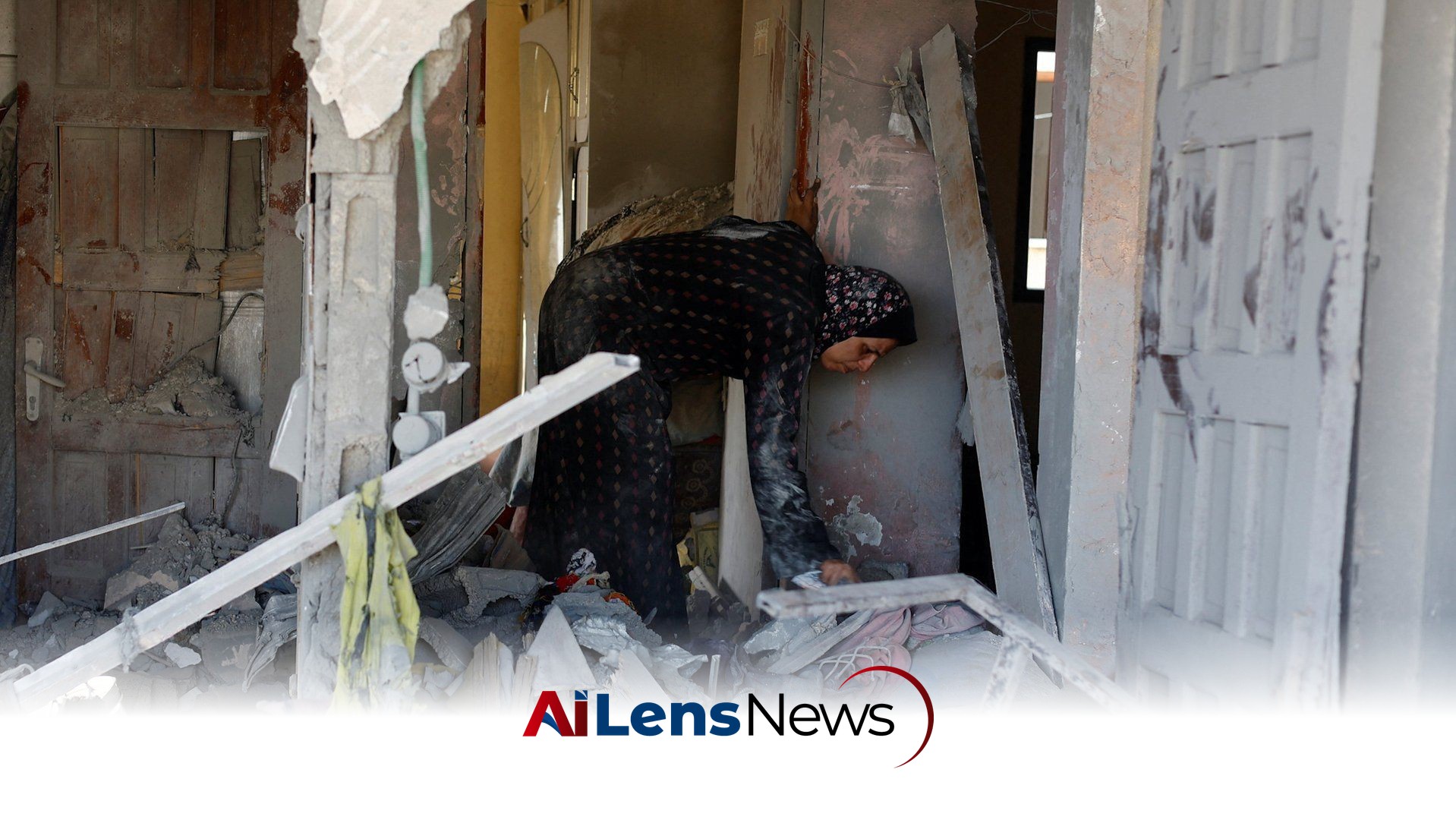


In Nuseirat, Palestinians are sifting through the rubble of their homes following relentless Israeli airstrikes, which have intensified despite a ceasefire agreement.
Doha, Qatar Jul 16, 2026 ALN: Palestinians in the Nuseirat area of Gaza are grappling with the aftermath of ongoing Israeli airstrikes that have left their homes in ruins. The destruction has intensified in recent weeks, with reports indicating that more than 1,100 Palestinians have lost their lives since the October 2025 ceasefire, which was brokered by the United States, was put in place. This surge in violence has not only resulted in significant loss of life but has also exacerbated the already dire humanitarian conditions in the region.
Residents are now faced with the daunting task of searching through the debris of their homes, looking for any remnants of their lives before the violence escalated. The situation has become increasingly dire, as near-daily attacks continue to disrupt any semblance of normalcy. Many families are left without basic necessities such as food, clean water, and medical supplies, further complicating their efforts to rebuild their lives amid ongoing conflict.
The relentless bombardment has not only caused physical destruction but has also severely impacted the mental health and well-being of the residents. The constant threat of violence has led to heightened levels of anxiety and trauma among the population, particularly affecting children who are witnessing the destruction of their homes and communities. Reports from local health organizations indicate a rising number of cases of post-traumatic stress disorder (PTSD) and other mental health issues as families struggle to cope with their losses.
The humanitarian crisis in the region is deepening, with many families forced to live in makeshift shelters or crowded conditions with relatives. Access to essential services, including healthcare, has been severely compromised, as hospitals are overwhelmed with casualties and often lack the necessary supplies to treat the injured. The ongoing airstrikes have made it difficult for aid organizations to deliver assistance, leading to a growing sense of desperation among the population.
In addition to the immediate physical needs, the psychological toll of living under constant threat cannot be underestimated. The trauma inflicted by the ongoing violence has long-term implications for the community's mental health. Children, in particular, are at risk of developing serious psychological issues, as they are exposed to violence and instability that disrupt their formative years. Schools, which are supposed to be safe havens for learning and development, have also been affected, further hindering the prospects for a stable future.
Despite the overwhelming challenges, the spirit of resilience among the Palestinians remains strong. Community members are coming together to support one another, sharing resources and providing emotional support in these trying times. Local organizations and grassroots movements have emerged, focusing on delivering food, clothing, and medical aid to those most affected by the conflict. Volunteer groups are working tirelessly to ensure that the most vulnerable populations, including children and the elderly, receive the assistance they need.
In addition to immediate relief efforts, there are ongoing initiatives aimed at fostering community solidarity and mental health support. Workshops and group therapy sessions are being organized to help residents process their trauma and find coping mechanisms amidst ongoing violence. These community-led efforts highlight the determination of the Palestinian people to not only survive but also maintain their dignity and humanity in the face of adversity.
Furthermore, local artists and cultural groups are finding ways to express their experiences through art, music, and literature. This creative expression serves not only as a coping mechanism but also as a powerful form of resistance, allowing the community to share their stories and preserve their identity amidst the chaos. The resilience of the Palestinian people is evident in their ability to come together and support each other, reinforcing their sense of community and shared identity.
The international community has expressed concern over the escalating violence and the humanitarian crisis in Gaza. Various governments and humanitarian organizations have called for an immediate ceasefire and for both parties to return to negotiations aimed at achieving a lasting peace agreement. However, tangible actions remain to be seen, as diplomatic efforts have often stalled amid the complexities of the conflict.
Human rights organizations have urged the international community to take a more active role in addressing the situation, emphasizing the need for accountability and protection of civilians. The United Nations has called for urgent humanitarian access to Gaza, stressing that the civilian population should not bear the brunt of the ongoing conflict. Nevertheless, the geopolitical dynamics in the region complicate the prospects for effective intervention, with various stakeholders holding differing views on the path forward.
In addition, the role of social media and global activism has become increasingly significant in raising awareness about the situation in Gaza. Activists and organizations are utilizing platforms to share real-time updates, personal stories, and calls for action, mobilizing support from around the world. This digital activism has the potential to influence public opinion and pressure governments to take action, although the effectiveness of such efforts can vary widely.
The current escalation of violence in Gaza cannot be viewed in isolation; it is the result of a long-standing conflict that has deep historical roots. Tensions between Israelis and Palestinians have persisted for decades, marked by cycles of violence, failed peace processes, and ongoing disputes over territory, rights, and sovereignty. The Gaza Strip, home to nearly two million Palestinians, has been a focal point of this conflict, particularly since the Israeli disengagement in 2005 and the subsequent rise of Hamas, which has led to multiple military confrontations.
The October 2025 ceasefire, although a brief respite, did not address the underlying issues that fuel the conflict, such as the blockade of Gaza, settlement expansions in the West Bank, and the lack of a viable two-state solution. The fragility of the ceasefire has been evident, as sporadic violence and provocations have continued to undermine any hopes for a peaceful resolution. Historical grievances, such as displacement and loss of land, continue to shape the narratives of both Palestinians and Israelis, complicating the path toward reconciliation.
Moreover, external factors, including regional politics and international relations, play a crucial role in the dynamics of the conflict. The involvement of various state and non-state actors has added layers of complexity, often exacerbating tensions rather than facilitating peace. The ongoing struggle for power and influence in the Middle East further complicates the situation, as different countries align themselves with either the Israeli or Palestinian cause, impacting the prospects for a unified international response.
As Palestinians continue to search through the rubble of their homes, the need for a sustainable resolution to the conflict becomes increasingly urgent. The ongoing violence not only threatens lives but also undermines the prospects for peace in the region. The humanitarian crisis in Gaza serves as a stark reminder of the consequences of prolonged conflict and the importance of addressing the needs and rights of all individuals affected by the violence. Without a concerted effort towards dialogue and reconciliation, the cycle of violence is likely to persist, leaving future generations to bear the burden of a conflict that has caused immeasurable suffering.
In light of the current situation, it is crucial for the international community, regional actors, and local leaders to prioritize dialogue and negotiation over violence. Only through mutual understanding and respect for each other's rights can a lasting peace be achieved. The resilience and determination of the Palestinian people in the face of adversity must be recognized and supported, as they strive for a future where they can live in dignity and security, free from the shadow of conflict.
To learn more about the latest developments in World News & International Affairs, stay updated with our exclusive reports and analyses on AiLensNews.

