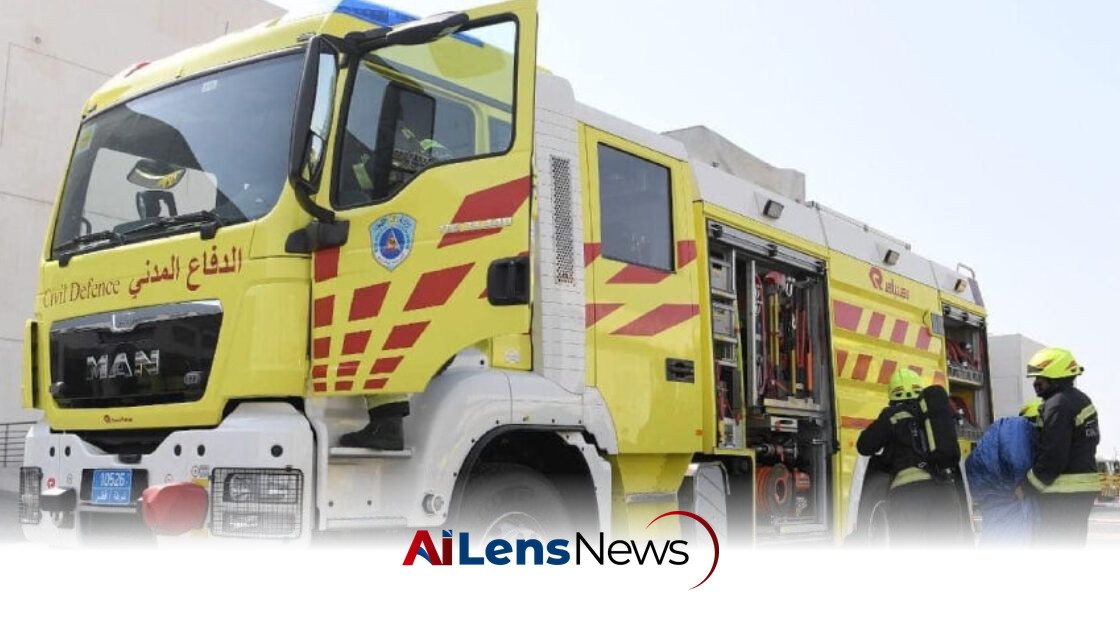


The Ministry of Interior reports that a fire on an offshore platform in the Corniche area has been contained without any injuries.
Doha, Qatar Jul 27, 2026 ALN: The Ministry of Interior of Qatar announced on July 27, 2026, that the Civil Defense successfully contained a fire that broke out on an offshore platform situated in the Corniche area. This incident has raised concerns regarding safety protocols and emergency response measures in offshore operations, especially given the critical role such platforms play in the energy sector.
The Corniche area, known for its picturesque waterfront and vibrant public spaces, is also a hub for various industrial activities, including oil and gas extraction. Offshore platforms are essential components of the energy industry in Qatar, as the country is one of the leading producers of liquefied natural gas (LNG) globally. The presence of these platforms underscores the importance of maintaining stringent safety measures and emergency preparedness to prevent and respond to incidents that could potentially disrupt operations or lead to environmental disasters.
According to the Ministry of Interior’s statement, the fire was contained without any reported injuries, which is a significant relief considering the potential hazards associated with offshore oil and gas operations. Fires on such platforms can pose severe risks not only to personnel but also to the surrounding marine environment. The successful management of this incident demonstrates the effectiveness of Qatar’s emergency response teams and their capabilities in handling industrial accidents.
In the wake of this incident, it is crucial to examine the protocols that govern safety on offshore platforms. The oil and gas industry is inherently risky, and incidents such as fires can occur due to various factors, including equipment failure, human error, or external environmental conditions. Therefore, regular safety drills, maintenance checks, and adherence to safety regulations are vital components of operational protocols in this sector.
The Civil Defense's prompt response is indicative of the training and preparedness of emergency services in Qatar. The Ministry of Interior has been actively enhancing its capabilities to respond to various emergencies, including fires, chemical spills, and other industrial accidents. This incident serves as a reminder of the importance of continuous training and investment in emergency preparedness to ensure the safety of workers and the protection of the environment.
Furthermore, the implications of such incidents extend beyond immediate safety concerns. The energy sector is a significant contributor to Qatar's economy, and any disruption in operations due to accidents can have far-reaching economic consequences. The government and private sector stakeholders must work collaboratively to ensure that safety measures are not only in place but also effectively implemented and regularly reviewed.
In the context of global energy markets, Qatar's ability to maintain a safe and reliable offshore operation is crucial. As the country continues to expand its LNG production capabilities, it must also prioritize the safety of its operations. This includes investing in advanced technology for monitoring and managing offshore platforms, as well as fostering a culture of safety among employees and contractors.
The incident also highlights the need for transparency and communication with the public regarding safety measures and incident management. The Ministry of Interior's prompt announcement and the lack of reported injuries are positive steps in maintaining public confidence. However, ongoing communication about safety protocols and emergency response strategies is essential in building trust within the community and among stakeholders in the energy sector.
As the investigation into the cause of the fire progresses, it will be important to analyze the factors that contributed to the incident. Understanding these elements can provide valuable insights into how similar incidents can be prevented in the future. The findings may lead to changes in regulations, enhanced safety measures, or even technological upgrades to existing platforms.
In conclusion, the successful containment of the fire on the offshore platform in the Corniche area by the Civil Defense is a commendable achievement that underscores the importance of preparedness and effective emergency response. As Qatar continues to navigate the complexities of its energy sector, prioritizing safety and environmental protection will be paramount. The incident serves as a reminder of the inherent risks associated with offshore operations and the ongoing need for vigilance, training, and investment in safety measures to protect both workers and the environment.
In addition to the immediate response to the incident, it is essential to consider the broader implications for safety standards within the offshore oil and gas industry. The incident may trigger a comprehensive review of existing safety protocols across various platforms in Qatar and potentially in neighboring regions. Regulatory bodies may seek to impose stricter safety guidelines or conduct more frequent inspections to ensure compliance with safety standards.
Moreover, this event can contribute to a growing discourse around the environmental impacts of offshore drilling and production. As global awareness of climate change and environmental degradation increases, the oil and gas industry faces heightened scrutiny regarding its operations. Incidents like the recent fire can serve as focal points for advocacy groups pushing for more sustainable practices and a transition towards renewable energy sources.
Industry experts may also use this incident as a case study to explore technological advancements that could mitigate risks associated with offshore operations. Innovations in fire suppression systems, real-time monitoring of equipment, and enhanced training simulations for workers can be pivotal in preventing future incidents. The integration of cutting-edge technology not only improves safety but can also enhance operational efficiency, making it a win-win for both the industry and the environment.
Furthermore, the incident highlights the importance of international cooperation in ensuring safety standards are met across borders. As Qatar engages in trade and energy partnerships with other nations, sharing best practices and lessons learned from incidents like this can strengthen the overall safety culture in the global energy sector. Collaborative efforts can lead to the establishment of international safety benchmarks that all operators adhere to, thereby reducing the likelihood of similar incidents occurring worldwide.
In the aftermath of the fire, it will also be crucial for the Ministry of Interior and relevant authorities to engage with the local community. Public forums and information sessions can help demystify the operations of offshore platforms and the safety measures in place. By fostering an open dialogue with residents and stakeholders, the government can alleviate concerns and build trust in its ability to manage industrial risks effectively.
Overall, while the fire incident on the offshore platform in the Corniche area was successfully contained without injuries, it serves as a critical reminder of the ongoing challenges and responsibilities facing the oil and gas industry. As Qatar continues to be a key player in the global energy market, its commitment to safety and environmental stewardship will be essential in shaping the future of its energy operations. Continuous improvement in safety practices, investment in technology, and proactive communication with the public will be key to maintaining a sustainable and responsible energy sector in the years to come.
To learn more about the latest developments in Crime & Law, stay updated with our exclusive reports and analyses on AiLensNews.

