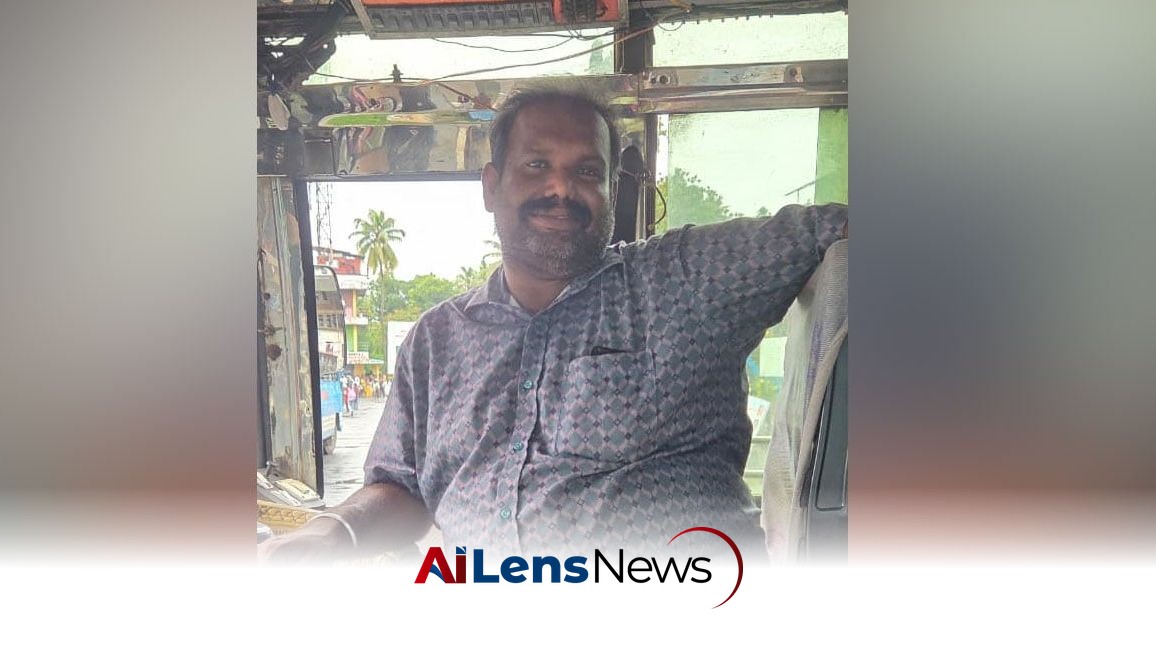


A private bus driver, Ajesh, heroically saved a student who attempted suicide by jumping into the Periyar River due to NEET exam-related stress.
Doha, Qatar Jul 17, 2026 ALN: Kochi: “Either I would have died, or she would have been saved. That was the only thought in my mind.” With those words, 41-year-old private bus driver Ajesh summed up the split-second decision that turned him into a hero on Friday. His act of bravery has sparked conversations about mental health, particularly in the context of academic pressure faced by students in India.
The incident occurred on the Paravur-Angamaly route when Ajesh was driving his bus. As he approached the Manjali bridge near North Paravur in Kochi, he noticed a small crowd gathered along the railing. Sensing something was wrong, he pulled over the bus and got down along with the conductor. “When we reached, there were about five to ten people on the bridge. Someone said a person had jumped into the river. We looked down and saw a girl struggling in the water,” Ajesh recalled.
The Periyar River, known for its scenic beauty, had turned into a treacherous body of water due to heavy rains that had caused it to swell significantly. The strong currents and rising water levels made any rescue attempt highly dangerous. Although several bystanders had witnessed the incident, none dared to enter the river, fully aware of the perilous conditions. This hesitation from bystanders is not uncommon, as the fear of personal injury often outweighs the instinct to help in crisis situations.
Realizing there was no time to lose, Ajesh sprang into action. “I didn't think twice. I removed my shirt and mundu and jumped straight into the river. If you stand there looking down, you start thinking. And if you think too much, you will hesitate. I only thought about saving that child’s life,” he stated. His quick response highlights the instinctive nature of heroism, where the drive to save another often outweighs personal safety concerns. Ajesh’s actions reflect a profound sense of duty and selflessness that is often seen in individuals who find themselves in emergency situations.
A native of Chalakka, Ajesh grew up on the banks of the Periyar River, which instilled in him a familiarity and confidence in navigating its waters. “I have been swimming in the river since childhood, so I am not afraid of water,” he said, reflecting on how his past experiences equipped him for this life-threatening situation. His background is significant, as it not only provided him with the necessary skills to attempt the rescue but also contributed to his mental preparedness in facing such a challenge.
However, the rescue was far from straightforward. Battling the powerful current, Ajesh swam a considerable distance before reaching the girl. “There was quite a distance to cover. By the time I had swum about three-fourths of the way, my hands and legs were getting exhausted,” he recounted. The physical strain was immense, but Ajesh's determination pushed him forward, driven by the urgency of the moment. This determination is a crucial element in rescue situations, where the ability to push beyond physical limits can mean the difference between life and death.
Upon reaching the girl, he found her unconscious. “I lifted her up and water came out of her mouth. She groaned, and then I knew she was still alive,” he recalled, a moment of relief amidst the chaos. With no boat or rescue equipment available, Ajesh relied solely on his strength and endurance to pull the unconscious student through the strong current, bringing her safely to the riverbank. “I caught hold of her hair and managed to swim back to the bank. Because I could not hold her and stay afloat waiting for a boat as the currents were very strong,” he explained, emphasizing the dire circumstances that necessitated his swift actions. This highlights the importance of quick thinking and resourcefulness in emergency situations, where access to conventional rescue tools may not be available.
Local residents quickly rushed the student, who is a native of Chengamanad, to a nearby hospital. She was later transferred to the Government Medical College Hospital, where medical professionals reported that she had crossed the critical stage and her condition was now stable. This swift response from the community underscores the critical role that bystanders can play in emergency situations, as their actions can significantly influence the outcome of a crisis.
According to statements given by her relatives to the police, the student, aged 20, had been under severe mental stress after failing to secure the NEET score she had expected. The National Eligibility cum Entrance Test (NEET) is a highly competitive examination in India for aspiring medical students, and the pressure to perform can be overwhelming. “The girl told the doctors that she jumped into the river as she was upset over her NEET marks. We will have to take a detailed statement once she is fully out of trauma,” said a police officer attached to Aluva West police. This incident sheds light on the intense pressure that students face in India, where academic success is often equated with future opportunities and societal acceptance.
The incident underscores a growing concern regarding mental health among students in India, particularly in the context of high-stakes exams like NEET. Many students face immense pressure from parents, peers, and societal expectations, leading to anxiety and depression. The tragic reality is that some students may feel that their worth is tied solely to their academic performance, which can lead to desperate actions in times of distress. Mental health issues among students have been on the rise, and incidents like this highlight the urgent need for systemic changes in how academic pressures are managed within educational institutions.
Despite risking his own life, Ajesh quietly returned to work after ensuring the student was safe. “I had to sit at the riverbank to catch my breath as it was exhausting. In the meantime, another driver took over and completed the trip. I went home, changed my clothes, came back and resumed duty,” he said, showcasing a humility that is often characteristic of true heroes. For Ajesh, the rescue was never about being hailed as a hero. “It was a risk. Either I would have died, or she would have been saved. That was the only thought in my mind,” he stated, reflecting on the selflessness of his actions. This humility serves as a poignant reminder that heroism often exists in the quiet acts of courage performed by ordinary individuals in their daily lives.
The incident has sparked discussions in the community about the need for mental health awareness and support systems for students. Many advocates argue that educational institutions should implement programs to help students cope with the pressures of academic life, including counseling services and stress management workshops. Additionally, there is a call for parents to foster open communication with their children about academic pressures and mental health. These discussions are crucial as they can lead to the development of supportive environments that prioritize the well-being of students over mere academic achievement.
As Ajesh’s story circulates, it serves as a reminder of the importance of community, compassion, and the profound impact one individual can have in a moment of crisis. His bravery not only saved a life but also highlighted the urgent need for a collective effort to address the mental health challenges faced by students in India. This incident may inspire others to act in times of need and encourage conversations about mental health, ultimately fostering a more supportive environment for students navigating the pressures of academic life. The ripple effects of Ajesh's actions may extend far beyond this singular event, potentially influencing policy changes and community initiatives aimed at supporting mental health among students.
To learn more about the latest developments in Health & Public Safety, stay updated with our exclusive reports and analyses on AiLensNews.

