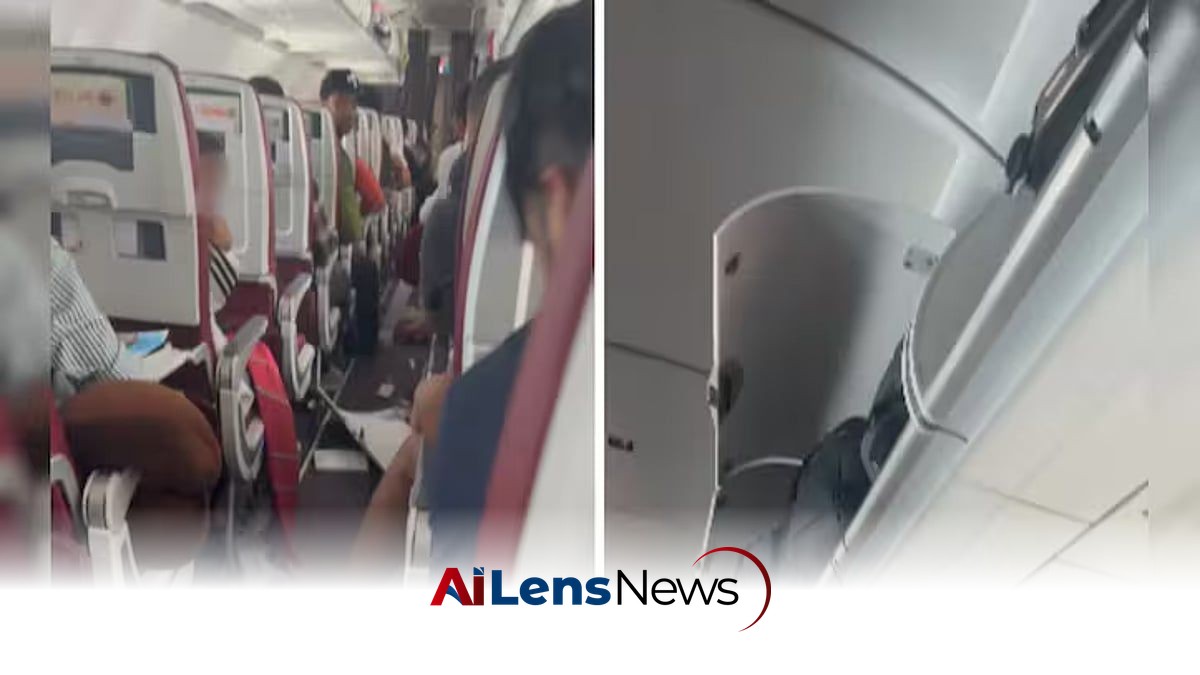


An Air India pilot has failed two drug tests for marijuana following a 300ft plunge during a flight from Phuket to Delhi, injuring 24 individuals. Investigators are also probing technical issues with the aircraft.
Doha, Qatar Aug 11, 2026 ALN: Dubai: The captain of an Air India flight that suddenly plunged 300 feet and injured 24 people has failed a second drug test, with the latest screening reportedly confirming marijuana use, NDTV reported on Tuesday. This incident has raised significant concerns regarding aviation safety, pilot conduct, and the potential implications for Air India’s operational protocols.
In the wake of this incident, investigators are also examining potentially serious technical problems aboard the Airbus A320neo. Reports indicate that there were issues involving all three of the aircraft’s independent hydraulic systems. This aspect of the investigation is critical, as hydraulic systems are essential for controlling various flight operations, including the aircraft's ability to maintain altitude and perform maneuvers safely.
The Aircraft Accident Investigation Bureau (AAIB) has cautioned against drawing conclusions about the cause of the incident from any single piece of evidence. This statement underscores the complexity of aviation investigations, which often involve multiple factors that can contribute to an incident.
Air India flight AI-2379, which was carrying 137 passengers and eight crew members from Phuket to Delhi on August 4, suddenly lost approximately 300 feet during cruise after a stall warning was activated. The abrupt descent caused injuries to at least 20 passengers and four crew members, including two crew members who sustained serious spinal injuries around the neck and tailbone, according to Civil Aviation Minister Ram Mohan Naidu. The incident highlights the potential dangers associated with sudden altitude changes and the importance of pilot response during critical flight phases.
An internal Air India Flight Safety report accessed by NDTV provides a dramatic account of the seconds leading up to the plunge. The captain was reportedly standing behind the first officer’s seat discussing the aircraft’s air-conditioning system when multiple warnings sounded, the autopilot disengaged, and the aircraft’s nose pitched up. This situation exemplifies a critical moment in aviation where pilot situational awareness and adherence to protocols can significantly impact safety outcomes.
The first officer, who was flying the aircraft, responded to the stall warning by pushing the nose down. This maneuver resulted in a sharp negative-G event, which briefly sent the captain, first officer, and loose objects in the cockpit floating upwards. Such occurrences can lead to disorientation and confusion, further complicating an already tense situation.
The captain described attempting to steady the first officer while he himself was being thrown around the cockpit, according to the report. He eventually returned to his seat, declared “I have controls,” and took over as the aircraft descended. The jet lost a maximum of around 300 feet before recovering, showcasing the critical role of effective communication and quick decision-making in emergency scenarios.
Both pilots underwent mandatory post-flight screening for psychoactive substances following the incident. The first officer tested clear, but the captain failed the initial screening and subsequently failed a second test, sources told NDTV. The second test reportedly confirmed marijuana use. The implications of this finding are profound, as it raises questions about the captain’s fitness for duty and the broader issue of substance use among airline pilots.
Both pilots have been taken off flying duties pending the investigation. However, it is important to note that there is no official finding that drug use caused or contributed to the incident. This distinction is crucial in understanding the complexities of aviation safety and the various factors that can lead to incidents.
Investigators are simultaneously examining evidence that points to potentially significant aircraft-system problems. Engineering logs showed low-pressure indications involving the aircraft’s Green hydraulic system, followed by indications involving the Blue and Yellow systems, and eventually all three systems, as reported by NDTV. The A320 has three independent hydraulic systems designed to provide redundancy, which is a critical safety feature in commercial aviation.
The aircraft also recorded an autopilot disengagement and left/right elevator fault indication, raising questions over whether its pitch control may have been affected. These technical issues could have contributed to the aircraft's sudden descent, and understanding their role is essential for the ongoing investigation.
A transient hydraulic caution was later cleared through the aircraft’s reset procedure, while other cockpit warnings were assessed by the crew. The aircraft subsequently landed safely in Delhi, which is a testament to the crew's training and ability to handle emergencies, despite the challenges they faced during the incident.
The Directorate General of Civil Aviation (DGCA) has classified the episode as a serious incident, while the AAIB is investigating with technical assistance from Airbus and France’s Bureau of Enquiry and Analysis for Civil Aviation Safety (BEA). This collaboration is indicative of the international standards of safety and thoroughness that govern aviation investigations.
“AAIB is presently engaged in the systematic collection, preservation, and examination of all relevant technical, operational, medical, and human-factor evidences,” the Civil Aviation Ministry stated. They stressed that “no inference regarding the cause of the occurrence should be drawn from any isolated piece of information while the investigation is in progress.” This cautionary note emphasizes the need for a comprehensive analysis before reaching conclusions about the incident.
Air India’s outgoing CEO Campbell Wilson met with senior ministry officials on Tuesday, with Naidu asserting that aviation safety remains the government’s “topmost priority.” The incident has sparked discussions about the protocols in place for pilot health and safety, especially concerning drug testing and the management of pilot duties. It also raises questions about the training and preparedness of pilots to handle unexpected situations, as well as the importance of maintaining high standards in aviation operations.
As the investigation unfolds, various stakeholders, including regulatory bodies, airline management, and aviation safety experts, will be closely monitoring developments. The outcome of this inquiry may lead to changes in policies and practices within Air India and potentially across the aviation industry, particularly regarding pilot health monitoring and aircraft maintenance protocols. Ensuring passenger safety and preventing similar incidents in the future will be paramount in the ongoing discussions surrounding this case.
To learn more about the latest developments in Crime & Law, stay updated with our exclusive reports and analyses on AiLensNews.

