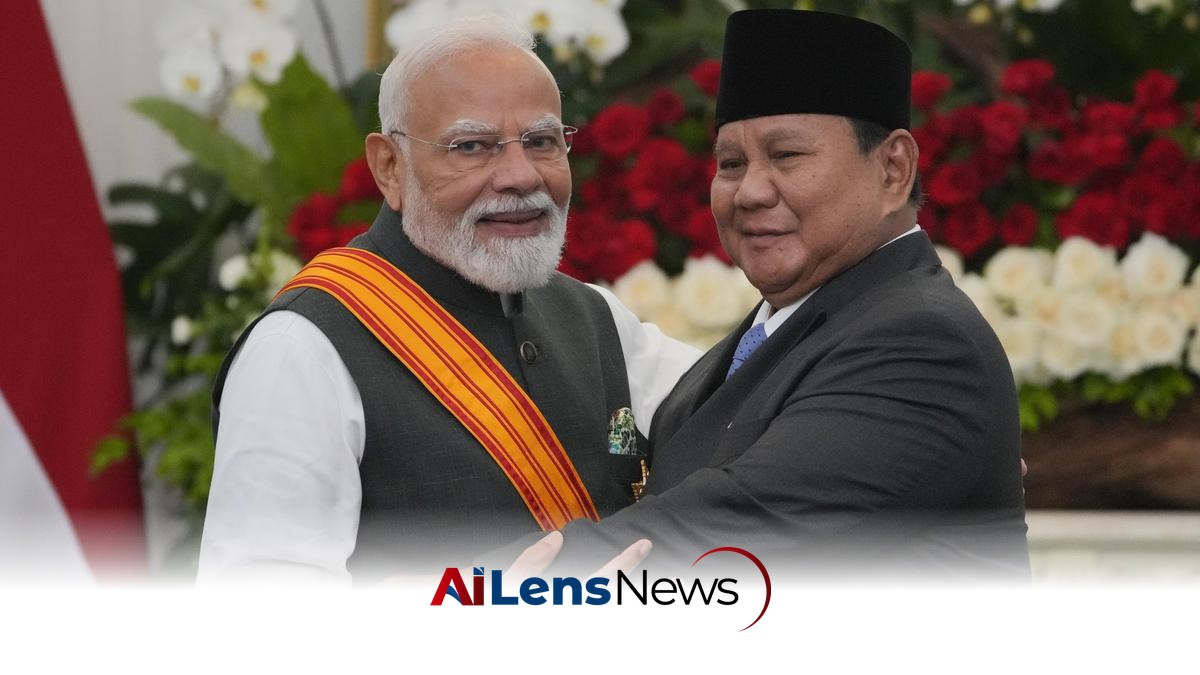


During his visit to Jakarta, PM Modi announced key agreements between India and Indonesia, including the establishment of an IIM Bangalore campus.
New Delhi, India Jul 7, 2026 ALN: India and Indonesia, two of the largest democracies in Asia, have recently taken significant strides to bolster their bilateral relations. This development comes amid a backdrop of growing geopolitical dynamics and economic interdependence in the region. During Prime Minister Narendra Modi's visit to Jakarta, he announced the signing of multiple agreements in key areas such as health, education, and trade, which are poised to enhance cooperation between the two nations. This visit marks the beginning of a three-nation diplomatic tour that will also include Australia and New Zealand, reflecting India's commitment to strengthening ties with important partners in the Indo-Pacific region.
Upon his arrival in Jakarta on Monday, PM Modi was received with a warm red-carpet welcome, symbolizing the cordial ties between the two nations. In a joint press statement with Indonesian President Prabowo Subianto, Modi underscored the significance of this visit in fortifying trade and security cooperation. He highlighted the potential for collaboration in various sectors that could yield mutual benefits for both countries. This visit is particularly significant as it occurs during a time of increasing strategic competition in the Indo-Pacific, where nations are reassessing their alliances and economic partnerships.
One of the standout announcements from this visit was the plan to establish an overseas campus of the prestigious Indian Institute of Management (IIM) Bangalore in Indonesia. This initiative is particularly noteworthy as it aims to enhance educational ties between India and Indonesia while also providing opportunities for students across the ASEAN region. Modi stated, "We are going to establish an overseas campus of the prestigious Indian Institute of Management Bangalore in Indonesia. This will greatly benefit young people across the ASEAN region." The establishment of the IIM Bangalore campus is expected to take place in the Singhasari Special Economic Zone located in East Java province. This strategic location is likely to attract students not only from Indonesia but also from neighboring ASEAN countries, thereby fostering a culture of academic excellence and collaboration in the region.
The establishment of the IIM campus is not just an educational endeavor; it is a strategic move that reflects India's broader ambitions in the region. With a focus on enhancing human capital and fostering skilled professionals, this initiative aligns with Indonesia's goals of developing a workforce that can thrive in an increasingly competitive global economy. The collaboration between these two nations in education underlines the importance of knowledge exchange and capacity building in addressing regional challenges.
In addition to educational initiatives, the two countries have made significant strides in the health sector. A memorandum of understanding was signed between the Central Drugs Standard Control Organisation of India and Indonesia’s Agency of Drug and Food Control. This agreement aims to facilitate cooperation in drug regulation and safety, which is crucial for ensuring the health and well-being of citizens in both countries. The collaboration in health not only addresses immediate public health concerns but also strengthens the overall healthcare infrastructure, paving the way for future partnerships in medical research and pharmaceutical development. Given the lessons learned from the COVID-19 pandemic, enhancing health security has taken on a new urgency, making this agreement particularly timely.
This diplomatic engagement is seen as a pivotal moment in India-Indonesia relations, marking what many are calling a new 'golden chapter' in their diplomatic history. The establishment of the IIM campus and the health sector agreements are expected to foster deeper ties and mutual benefits for both nations. As both countries navigate the complexities of the global landscape, enhancing bilateral relations will be crucial for addressing common challenges such as climate change, regional security, and economic growth. The alignment of interests between India and Indonesia in these areas suggests a potential for robust collaboration moving forward.
Moreover, this visit comes at a time when both nations are looking to diversify their economic partnerships and reduce reliance on traditional allies. With the rise of China as a dominant force in the region, India and Indonesia are keen on strengthening their own ties to ensure that they have a robust platform for economic collaboration and regional stability. The agreements signed during Modi's visit are reflective of this strategic shift, as both countries seek to leverage their strengths in various sectors. The growing economic interdependence is likely to enhance their negotiating power on the global stage, particularly in forums such as the G20 and ASEAN.
As PM Modi continues his diplomatic tour, the focus remains on strengthening bilateral relations and enhancing cooperation in various sectors. The outcomes of this visit are expected to have long-term implications for both nations, particularly in terms of trade and investment. The commitment to enhancing trade ties is particularly significant given the potential for both countries to benefit from each other's markets. Indonesia, with its rich natural resources and large consumer base, presents a lucrative opportunity for Indian businesses, while India’s growing technology and service sectors can provide valuable contributions to Indonesia's development goals. This reciprocal relationship is indicative of a broader trend in which emerging economies are increasingly looking to collaborate for mutual growth.
Key Highlights:
This diplomatic engagement underscores the growing importance of India-Indonesia relations in the context of regional stability and economic collaboration. As both nations continue to navigate the complexities of the global landscape, their partnership will likely play a crucial role in shaping the future of the Indo-Pacific region. The developments from this visit are anticipated to set the stage for further engagements and collaborations in the years to come, marking a significant step forward in the evolving dynamics of interrelations in Asia. The potential for collaborative frameworks in trade, technology, and security will be essential as both countries work towards achieving their respective interests while contributing to regional peace and prosperity. The implications of this visit extend beyond bilateral relations, as it may influence the strategic calculations of other nations in the region and beyond.
To learn more about the latest developments in World News & International Affairs, stay updated with our exclusive reports and analyses on AiLensNews.

