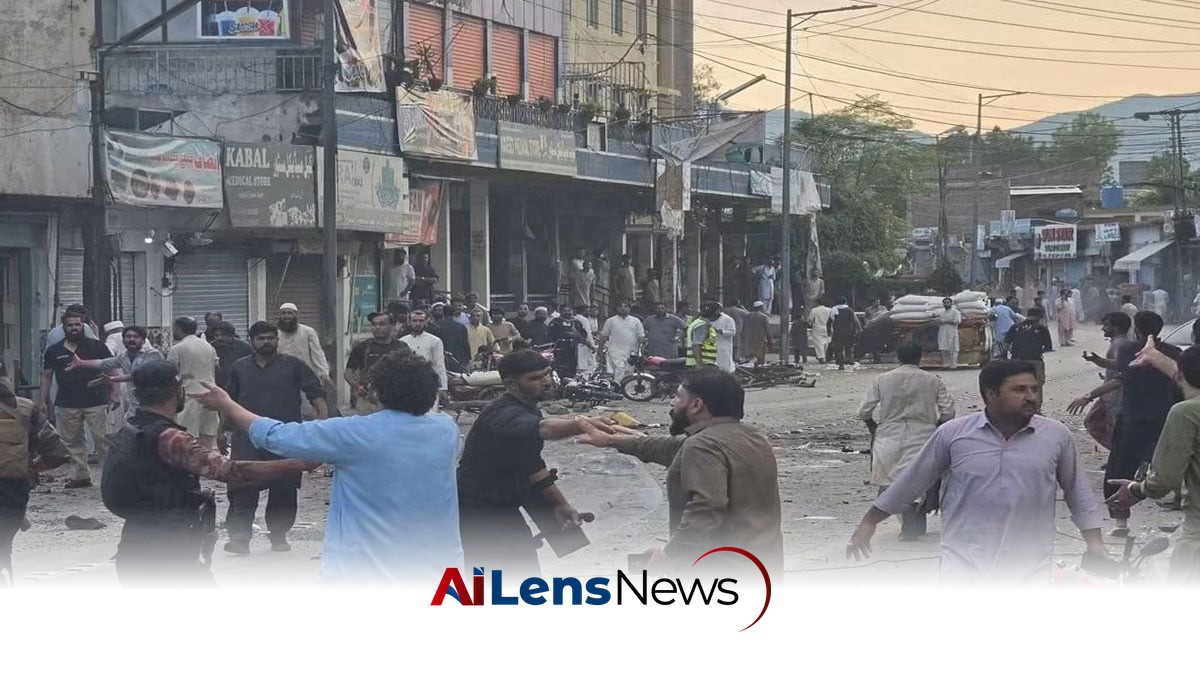



A suicide blast outside Kabal Police Station in Swat has resulted in 14 fatalities, including five police officers. The attack has left 23 others injured.
Islamabad, Pakistan Aug 3, 2026 ALN: The death toll has climbed to 14 following a suicide blast in front of the Kabal Police Station in the Swat district, ARY News reported, citing District Police Officer (DPO) Muhammad Umar Khan.
DPO Muhammad Umar Khan confirmed that the 14 martyred individuals included five police officers and nine civilians. Additionally, 23 people were injured, 15 of whom were police personnel. This tragic incident highlights the ongoing security challenges faced by law enforcement agencies in Pakistan, particularly in regions that have previously been affected by militant violence.
The Kabal Police Station, located in the Swat district of Khyber Pakhtunkhwa, has been a focal point for security operations against various militant groups. The region has a complex history marked by extremism and violence, especially during the late 2000s when the Taliban exerted significant control over parts of Swat. The Pakistani military launched a major operation in 2009, which was largely successful in reclaiming territory from militants, but sporadic attacks have continued to pose threats to local authorities and civilians alike.
The DPO stated that terrorists belonging to Fitna al-Khwarij executed the suicide blast in front of the main gate of Kabal Police Station. Fitna al-Khwarij, a group that has gained notoriety for its violent tactics and ideological extremism, has been linked to a series of attacks across Pakistan, particularly targeting security forces. This incident underscores the persistent threat that such groups pose, despite ongoing military efforts to combat terrorism in the region.
According to initial reports, the suicide blast partially damaged the main gate of the police station, indicating the force of the explosion and the potential for greater damage had the attack occurred during peak hours when more individuals would have been present. The timing and location of the attack suggest a calculated effort to inflict maximum casualties among law enforcement personnel, who are often viewed as primary targets by militant groups.
In the wake of the blast, police stated that a Bomb Disposal Squad (BDS) has reached the site to determine the exact nature and intensity of the explosion. This step is crucial not only for understanding the specifics of the attack but also for ensuring the safety of the surrounding area and preventing further incidents. The BDS plays a vital role in identifying explosives and preventing future attacks, and their expertise is essential in responding to such violent incidents.
Meanwhile, a heavy contingent of police led by District Police Officer (DPO) Muhammad Umar Khan arrived at the scene. The rapid response from law enforcement highlights the urgency with which authorities are addressing the threat of terrorism, as well as their commitment to ensuring public safety. The presence of senior police officials at the site demonstrates the seriousness with which the police are treating this attack and their resolve to respond effectively.
The deceased and injured were shifted to Swat Central Hospital, where medical personnel began treating the wounded and providing necessary care. The hospital's capacity to handle such emergencies is critical, especially in regions where access to medical facilities may be limited. The swift transfer of victims to hospitals reflects the urgent need for medical intervention in the aftermath of such violent events, where every moment can be crucial for saving lives.
Investigators recovered the head of the suicide bomber from the blast site, with preliminary reports indicating that the attacker was an Afghan national. This revelation raises significant questions regarding the cross-border dynamics of terrorism in the region, particularly the involvement of foreign nationals in domestic attacks. The porous nature of the Pakistan-Afghanistan border has long been a concern for security agencies, as it allows for the movement of militants and arms across countries, complicating efforts to combat terrorism.
The implications of this attack extend beyond immediate casualties; it reflects broader security challenges in Pakistan, where the resurgence of militant groups poses a threat to stability and peace. The ongoing conflict in Afghanistan, coupled with the potential for spillover effects into Pakistan, necessitates a coordinated response from both nations to address the root causes of extremism and violence.
DPO Swat confirmed that an intelligence-based operation has been launched to arrest facilitators connected to the attack, emphasizing that all elements involved will be identified and brought to justice. This operation highlights the importance of intelligence gathering and collaboration among various law enforcement agencies in Pakistan. By targeting not only the perpetrators but also those who assist and enable such attacks, authorities aim to dismantle the networks that support terrorism.
In conclusion, the suicide blast in Swat serves as a stark reminder of the ongoing challenges faced by security forces in Pakistan. As the country grapples with the legacy of past violence and the persistent threat of terrorism, the need for comprehensive strategies that address both immediate security concerns and long-term socio-political factors remains critical. The resilience of local communities, the commitment of law enforcement, and the cooperation between regional and international partners will be essential in the fight against extremism and in ensuring a safer future for all citizens.
The attack also raises questions about the effectiveness of counter-terrorism strategies employed by the Pakistani government. Despite significant military operations aimed at dismantling militant infrastructure, attacks such as this one indicate that many groups remain operational and capable of executing complex attacks. The challenge for authorities will be to adapt their strategies to not only combat these groups but also to address the underlying issues that contribute to radicalization and violence.
Furthermore, the incident highlights the risks faced by police and security forces in Pakistan, who often operate in high-risk environments with limited resources. The loss of police officers in the line of duty underscores the sacrifices made by law enforcement personnel in their efforts to maintain peace and security in volatile regions. This tragedy may also lead to increased calls for better training, equipment, and support for police forces tasked with confronting such threats.
In the aftermath of the blast, public sentiment may shift towards a demand for stronger governmental action against terrorism. Citizens may call for enhanced security measures, increased funding for police forces, and more robust intelligence-sharing mechanisms between different branches of law enforcement. Such public pressure can influence government policy and may lead to a reevaluation of existing counter-terrorism frameworks.
As the investigation unfolds, it will be crucial for authorities to communicate transparently with the public regarding the findings and steps taken to prevent future attacks. Building trust between law enforcement agencies and the communities they serve is essential for effective counter-terrorism efforts. Engaging local populations in discussions about security and involving them in prevention strategies can foster a collaborative approach to combating extremism.
Ultimately, the tragedy in Swat is a reminder of the complex interplay of local, national, and international factors that contribute to the ongoing struggle against terrorism in Pakistan. As the nation continues to confront these challenges, the need for a multifaceted approach that includes military, political, and social dimensions will be paramount in achieving lasting peace and stability.
To learn more about the latest developments in Crime & Law, stay updated with our exclusive reports and analyses on AILensNews.

