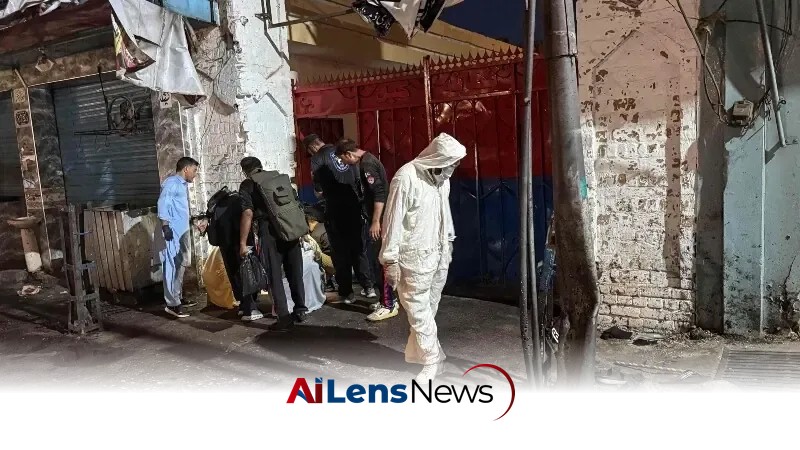



A suicide bombing at the Kabal police station in Swat resulted in the deaths of at least 14 individuals, including police officers, and injured 18 others during a public demonstration.
Islamabad, Pakistan Aug 3, 2026 ALN: The recent suicide attack on the Kabal police station in Swat has left a devastating impact, claiming the lives of at least 14 individuals, including police officials, and injuring at least 18 others. The attack, which occurred on a Sunday, has drawn significant attention not only due to the tragic loss of life but also because it highlights the ongoing security challenges facing the region.
Swat Valley, once known as a picturesque tourist destination, has been marred by violence and instability in recent years. The resurgence of militant activity in the area has raised alarms among both local residents and national authorities. The attack at the Kabal police station, which coincided with a public demonstration against terrorism, underscores the precarious security situation in the region.
According to police and rescue officials, the suicide bomber detonated explosives after police personnel attempted to stop and search him at the entrance of the police station. This tactic of using suicide bombings has been a hallmark of militant groups operating in Pakistan, particularly in Khyber Pakhtunkhwa (KP) province, where Swat is located. The Malakand Division Deputy Inspector General of Police, Fida Hussain, confirmed that police officers were among the casualties, further emphasizing the dangers faced by law enforcement in their efforts to maintain order.
The explosion occurred near the gate of the Kabal police station while hundreds of residents were gathered at Kabal Chowk for a demonstration against the recent wave of terrorism in Swat Valley. The timing of the attack, as the final speaker was addressing the crowd, created a chaotic scene, leading to panic and confusion among participants. This incident not only highlights the targeted nature of the attack but also the vulnerability of civilians in the face of such violence.
Rescue operations were promptly initiated, with the bodies of nine victims being transported to Central Hospital Saidu Sharif, while five others were taken to Kabal Hospital. The condition of some of the injured remains critical, with medical personnel working tirelessly to provide care. The immediate response from police and rescue teams reflects the urgency and seriousness of the situation, as security personnel cordoned off the area and initiated a search operation to gather evidence.
The demonstration itself was a response to the growing concerns over security in the region, with speakers at the event condemning the resurgence of terrorism and calling for government action to restore peace. The protest was characterized by a strong message advocating for the eradication of terrorism and the protection of civilian life. The attendees expressed their discontent with the government's handling of security, criticizing authorities for what they perceived as ineffective measures against militants while peaceful citizens faced scrutiny and oppression.
One poignant remark from a speaker during the protest encapsulated the community's anguish: "Our children deserve education, and our families deserve to live in peace." This statement resonates deeply within the context of Swat's history, where previous generations have suffered greatly due to conflict and violence. The desire for stability and normalcy is palpable among the local populace, who have endured years of turmoil.
In the wake of the attack, a wave of condemnation has emerged from various political leaders and officials. President Asif Ali Zardari expressed his sorrow over the loss of life and called for a thorough investigation into the incident. He emphasized the need for the best possible medical facilities for the injured and reiterated the resilience of the nation against terrorism, stating, "Terrorists will never succeed in their nefarious efforts to undermine peace, national unity, and the writ of the state." Such statements from high-ranking officials aim to reassure the public and reinforce the government's commitment to combating terrorism.
Similarly, KP Governor Faisal Karim Kundi condemned the attack, asserting that cowardly acts of terrorism would not demoralize the nation. The KP Chief Minister, Sohail Afridi, also sought a report from the Inspector General of Police and extended condolences to the families of the deceased. These responses reflect a unified stance among government officials in the face of violence, although the effectiveness of their strategies remains a topic of debate among citizens.
The recent attack in Kabal is not an isolated incident. Earlier in the day, an IED blast near the Peshawar-Islamabad motorway toll plaza injured two policemen in Peshawar. Furthermore, a terrorist attack on a police checkpost in Hangu on July 30 resulted in the deaths of nine policemen. These incidents are part of a troubling trend, as KP has experienced an uptick in terrorist activities. According to the Pakistan Institute for Conflict and Security Studies, the province recorded 154 terrorism-related deaths in July, a significant increase from 75 in June, indicating a 105 percent rise in violence.
This escalation in violence raises critical questions about the security measures in place and the effectiveness of counter-terrorism strategies employed by the government. The local populace's frustration is palpable, as many feel that despite the sacrifices of law enforcement personnel, the root causes of terrorism remain unaddressed. The ongoing instability not only threatens the safety of individuals but also poses a significant challenge to the region's socio-economic development and recovery from past conflicts.
As investigations continue into the Kabal attack, the implications for local governance, community safety, and national security are profound. The need for a comprehensive approach to counter-terrorism, which includes addressing underlying grievances and fostering community resilience, is more crucial than ever. The voices from the protest in Kabal reflect a broader sentiment among the population—a desire for lasting peace and a commitment to ensuring that future generations do not inherit the cycle of violence that has plagued Swat Valley for far too long.
To learn more about the latest developments in Crime & Law, stay updated with our exclusive reports and analyses on AILensNews.

