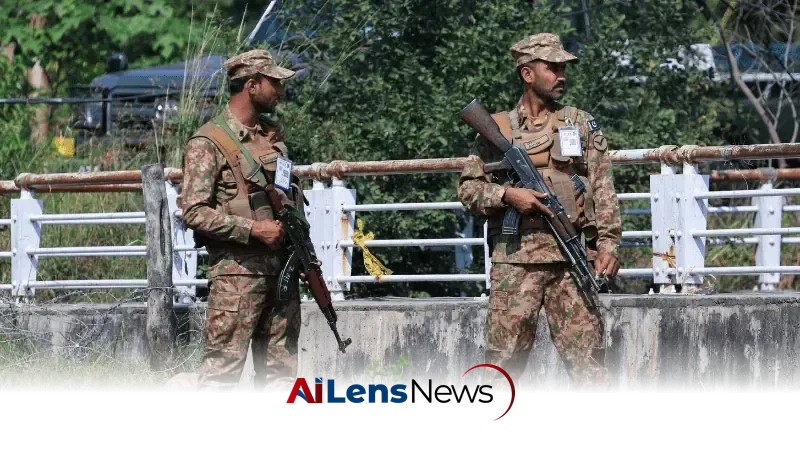


In a timely operation, security forces in Wana, Lower South Waziristan, thwarted a suicide attack, killing one terrorist and injuring five others.
Islamabad, Pakistan Jul 18, 2026 ALN: One terrorist was killed as security forces foiled a major terrorist plot in Lower South Waziristan’s Wana by destroying an explosive-laden vehicle “intended for a suicide attack,” state media reported on Saturday, citing security sources.
“Security forces foiled a major terrorist plot in Wana through a timely intelligence-based operation, destroying an explosive-laden vehicle intended for a suicide attack,” state-run Pakistan TV said in a post on X.
“According to security sources, the operation prevented a potential catastrophe in Wana and surrounding areas, with one terrorist killed and five others injured,” it said.
“The successful action averted significant civilian casualties and ensured the safety of the local population,” it added.
Interior Minister Mohsin Naqvi paid tribute to the security forces for foiling the “major terrorist” attempt.
“Security forces saved the population of Wana and surrounding areas from potential destruction by conducting an intelligence-based operation,” he said in a statement.
Naqvi noted that the security forces “destroyed a vehicle and motorcycle loaded with explosives with utmost professional skill just before the attack.”
Earlier this week, security forces foiled an attempted suicide attack targeting a military post in the Kari Kot area of Wana, killing four terrorists.
According to security sources, the terrorists tried to attack the security forces’ post using an explosives-laden vehicle. But the attempt was foiled as the threat was detected, and the suicide attacker was killed, they said.
The Waziristan region, as well as the rest of Khyber Pakhtunkhwa, has been facing terrorism for a long time. This area has historically been a hotbed for militant activity, often linked to larger networks of insurgents that operate across the region. The tribal districts, particularly South Waziristan, have been the focus of various military operations aimed at dismantling militant infrastructure.
In early May, security forces foiled an attempted suicide attack on a military post near Azam Warsak Bazaar in Lower South Waziristan. A civilian was killed and 15 others sustained injuries in the incident, highlighting the persistent risk of violence that local populations face. These incidents not only threaten the safety of civilians but also undermine the stability and security efforts in the region.
According to the Pakistan Institute for Conflict and Security Studies (PICSS), the tribal districts of Khyber Pakhtunkhwa, formerly known as the Federally Administered Tribal Areas (FATA), recorded a decline in terrorism in June, with 17 attacks compared with 22 in May, representing a 23% decrease. This decline is a positive indication of the effectiveness of ongoing security operations and intelligence efforts in the region.
However, the rest of Khyber Pakhtunkhwa witnessed a “slight increase,” as the province recorded 37 attacks in June compared with 32 in May, representing a 16% rise. This contrasting trend raises concerns about the evolving security landscape in Khyber Pakhtunkhwa, where certain areas may become more susceptible to militant activities while others show signs of improvement.
The ongoing challenges in Waziristan and the broader Khyber Pakhtunkhwa region reflect a complex interplay of local grievances, militant ideologies, and external influences. The region has been the focus of military operations aimed at rooting out extremist elements, yet the resurgence of violence underscores the difficulties faced by security forces in maintaining long-term peace and stability.
The Pakistani government has been working to address the root causes of militancy, including poverty, lack of education, and limited economic opportunities that fuel discontent among local populations. Efforts to integrate these tribal areas into the national framework have included development initiatives, educational programs, and engagement with local communities to foster a sense of ownership and resilience against extremist ideologies.
Moreover, the international dimension of security in this region cannot be overlooked. The porous borders with Afghanistan have historically allowed for the movement of militants and arms, complicating the security situation further. The Taliban's resurgence in Afghanistan has raised alarms regarding the potential spillover of violence into Pakistan, particularly in border regions like Waziristan.
The recent operations by security forces, including the successful thwarting of terrorist plots, highlight the ongoing commitment to counter-terrorism efforts in the region. These operations are often conducted based on intelligence gathered from various sources, including local informants and surveillance, which underscores the importance of community involvement in security initiatives.
As the situation continues to evolve, the Pakistani government faces the dual challenge of combating terrorism while also addressing the socio-economic conditions that contribute to instability. The balance between military action and community engagement will be crucial in determining the long-term success of counter-terrorism strategies in Waziristan and beyond.
In conclusion, the recent operations by security forces in Wana serve as a reminder of the persistent threat posed by terrorism in Khyber Pakhtunkhwa. While there have been positive developments in terms of reducing attacks in some areas, the increase in violence elsewhere signals that the fight against extremism is far from over. Ongoing vigilance, community support, and comprehensive development strategies will be essential in creating a safer and more stable environment for the people of this region.
The historical context of terrorism in Waziristan dates back several decades, with various militant groups establishing footholds in the region due to its strategic location and difficult terrain. The area's rugged landscape has made it challenging for security forces to conduct operations effectively, often resulting in prolonged engagements with insurgents. This has led to a cycle of violence that affects local communities, as military operations can lead to displacement and loss of livelihood.
In addition to military operations, the Pakistani government has recognized the need for a multi-faceted approach to counter-terrorism, which includes political, economic, and social dimensions. Initiatives aimed at improving infrastructure, healthcare, and education are critical in addressing the grievances that fuel extremism. Programs designed to empower local populations, particularly youth, are essential in providing alternatives to militancy and fostering a sense of belonging within the national framework.
The role of international partners in supporting Pakistan's counter-terrorism efforts has also been significant. Various countries and organizations have provided training, resources, and intelligence-sharing to enhance the capabilities of Pakistani security forces. This collaboration is vital in addressing the cross-border nature of terrorism, where militants can exploit gaps in security across borders.
As Waziristan continues to grapple with the legacy of conflict and instability, the commitment of security forces to thwart terrorist plots is a critical component of the broader strategy to ensure peace. Each successful operation not only disrupts immediate threats but also sends a message of resilience and determination against the forces of extremism. However, for lasting change, it is imperative to couple military efforts with comprehensive socio-economic development that addresses the underlying issues of poverty, education, and disenfranchisement.
Ultimately, the situation in Wana and the wider Khyber Pakhtunkhwa region exemplifies the complexities of modern counter-terrorism efforts. While security forces play a crucial role in mitigating immediate threats, the long-term solution lies in fostering a stable, inclusive society that empowers individuals and communities to reject violence and embrace peaceful coexistence. The path ahead may be fraught with challenges, but with sustained commitment and collaborative efforts, there is hope for a safer and more prosperous future for the people of this region.
To learn more about the latest developments in Crime & Law, stay updated with our exclusive reports and analyses on AiLensNews.

