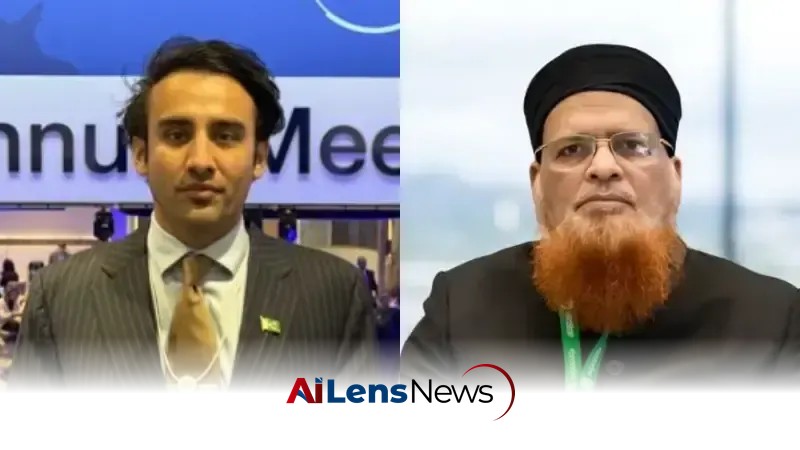


Bilal bin Saqib, Chairman of PVARA, calls for a distinction between speculative cryptocurrencies and asset-backed tokens after a fatwa declared crypto purchases impermissible under Islamic law.
Islamabad, Pakistan Jul 16, 2026 ALN: The recent comments made by Bilal bin Saqib, the Chairman of the Pakistan Virtual Assets Regulatory Authority (PVARA), regarding the differentiation between speculative cryptocurrencies and asset-backed digital tokens, have reignited discussions on the intersection of Islamic finance and cryptocurrency in Pakistan. This conversation is particularly relevant given the rapid growth of the cryptocurrency market in the country, which has been characterized by a surge in retail activity and a burgeoning interest in digital assets.
In a significant move, Saqib reached out to Jamia Darul Uloom, one of the most influential Islamic seminaries in Pakistan, to seek clarification on their stance regarding cryptocurrencies. This request for clarification follows a fatwa issued by prominent Islamic scholars, including Mufti Taqi Usmani, which declared that transactions involving cryptocurrencies are impermissible under Islamic law. The fatwa, released on June 10, describes cryptocurrencies as “merely the recording of fictitious numbers in an account,” thus questioning their legitimacy as a form of wealth recognized in Shariah.
The implications of this fatwa are profound, as it casts doubt on the Pakistani government's efforts to embrace cryptocurrency as part of its financial landscape. Historically, Pakistan has ranked among the largest crypto markets globally, driven by a high volume of retail trading. The government's increasing interest in integrating cryptocurrency into its economic framework is now complicated by religious interpretations that may hinder broader acceptance.
Saqib's initiative to engage with the seminary indicates an attempt to navigate the complex relationship between Islamic finance principles and modern financial technologies. He emphasized the importance of categorizing digital assets rather than viewing them as a monolithic entity. This distinction is crucial, as it allows for a nuanced understanding of different types of digital assets and their compliance with Islamic law. The conversation around categorization is not merely academic; it has real-world implications for how these assets are regulated and utilized.
In his discussions, Saqib pointed out that certain digital assets, such as blockchain-recorded sukuk (Islamic bonds), represent ownership of tangible, income-generating assets, which could potentially align with Shariah principles. He also mentioned gold-backed tokens and fully reserved stablecoins, which carry enforceable claims on physical assets. These examples illustrate that not all digital assets are created equal; rather, some may hold intrinsic value and adhere to Islamic financial regulations. The differentiation between these types of assets is crucial as it could lead to the development of a Shariah-compliant framework for digital finance in Pakistan.
Conversely, Saqib acknowledged that purely speculative tokens, which lack any underlying asset, present a different challenge. The concerns raised by Islamic scholars regarding these speculative forms of cryptocurrency must be taken seriously. This acknowledgment reflects a growing recognition of the need for responsible innovation within the digital asset space, particularly in a country where Islamic finance plays a significant role in the financial system. The speculative nature of many cryptocurrencies raises ethical questions about their use and could lead to financial instability, which is antithetical to the principles of Islamic finance.
As Pakistan continues to develop its regulatory framework for digital assets, Saqib emphasized the importance of collaboration with Islamic scholars. He stated, "We will continue working closely with our scholars as Pakistan develops its licensing framework and advances work on stablecoins and real-world asset tokenization." This collaborative approach aims to ensure that the country can establish a Shariah-compliant digital finance ecosystem, positioning Pakistan as a potential leader in this emerging field. The involvement of religious leaders in the regulatory process could lend credibility to the framework, fostering greater acceptance among the public.
The potential for Pakistan to lead in Shariah-compliant digital finance is significant. With a large population that adheres to Islamic principles, the demand for financial products that align with these values is substantial. By fostering a regulatory environment that supports innovation while adhering to religious guidelines, Pakistan could attract both domestic and international investment in its digital asset market. Moreover, a well-regulated cryptocurrency market could facilitate financial inclusion, providing access to financial services for underserved populations.
However, the current fatwa poses a challenge to the broader adoption of cryptocurrencies, particularly among traditional financial institutions. Waqas Ghani, head of research at JS Global Capital, noted that the edict could become a “hurdle to broader, bank-led crypto adoption beyond Pakistan’s urban trading community.” Despite this, he pointed out that trading volumes in cryptocurrencies have not yet shown signs of decline, indicating that the market may be resilient to regulatory uncertainties. This resilience suggests that while regulatory frameworks are necessary, they must also be adaptable to the rapidly evolving nature of digital assets.
The ongoing discussions between Saqib and Mufti Usmani highlight the evolving nature of cryptocurrency in the context of Islamic finance. As both parties work towards a clearer understanding of digital assets' Shariah status, the outcome will likely shape the future of cryptocurrency regulation in Pakistan. The outcome of these discussions could either pave the way for a more structured approach to digital assets or reinforce existing barriers that limit their use. The stakes are high, as the decisions made in these discussions could influence not only local markets but also Pakistan's position in the global digital finance landscape.
In conclusion, the dialogue between PVARA and Jamia Darul Uloom signifies a critical juncture for the cryptocurrency landscape in Pakistan. The need for clarity on the Shariah status of digital assets is paramount as the country seeks to balance innovation with adherence to Islamic principles. As the regulatory framework develops, the implications for both the local economy and the global perception of Pakistan's digital finance capabilities will become increasingly apparent. The path forward will require careful navigation of religious, economic, and technological considerations to ensure that Pakistan can harness the benefits of cryptocurrency while remaining true to its cultural and religious values. The outcome of this dialogue may not only define the future of cryptocurrency in Pakistan but could also serve as a model for other Muslim-majority countries grappling with similar issues.
To learn more about the latest developments in Economy, stay updated with our exclusive reports and analyses on AiLensNews.

